We are processing your request.
Please, don’t close or refresh the page.
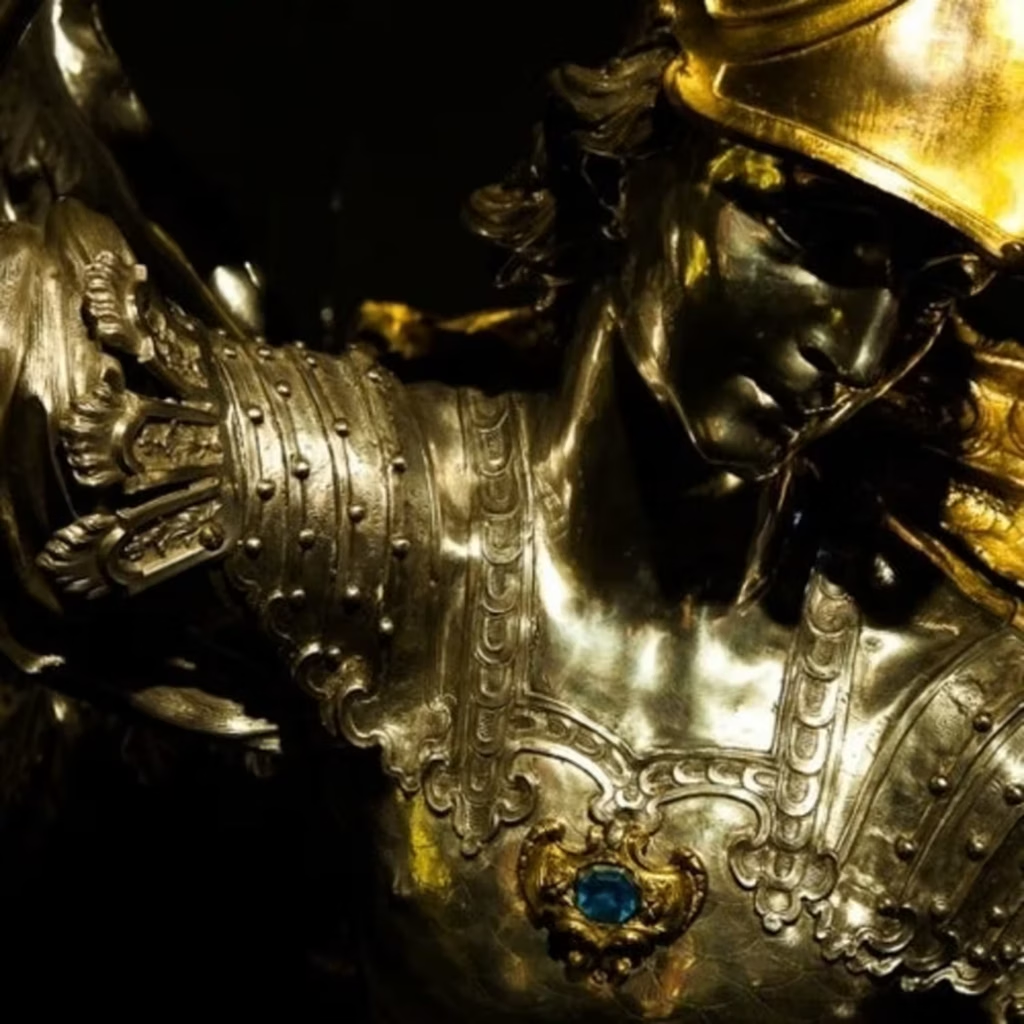
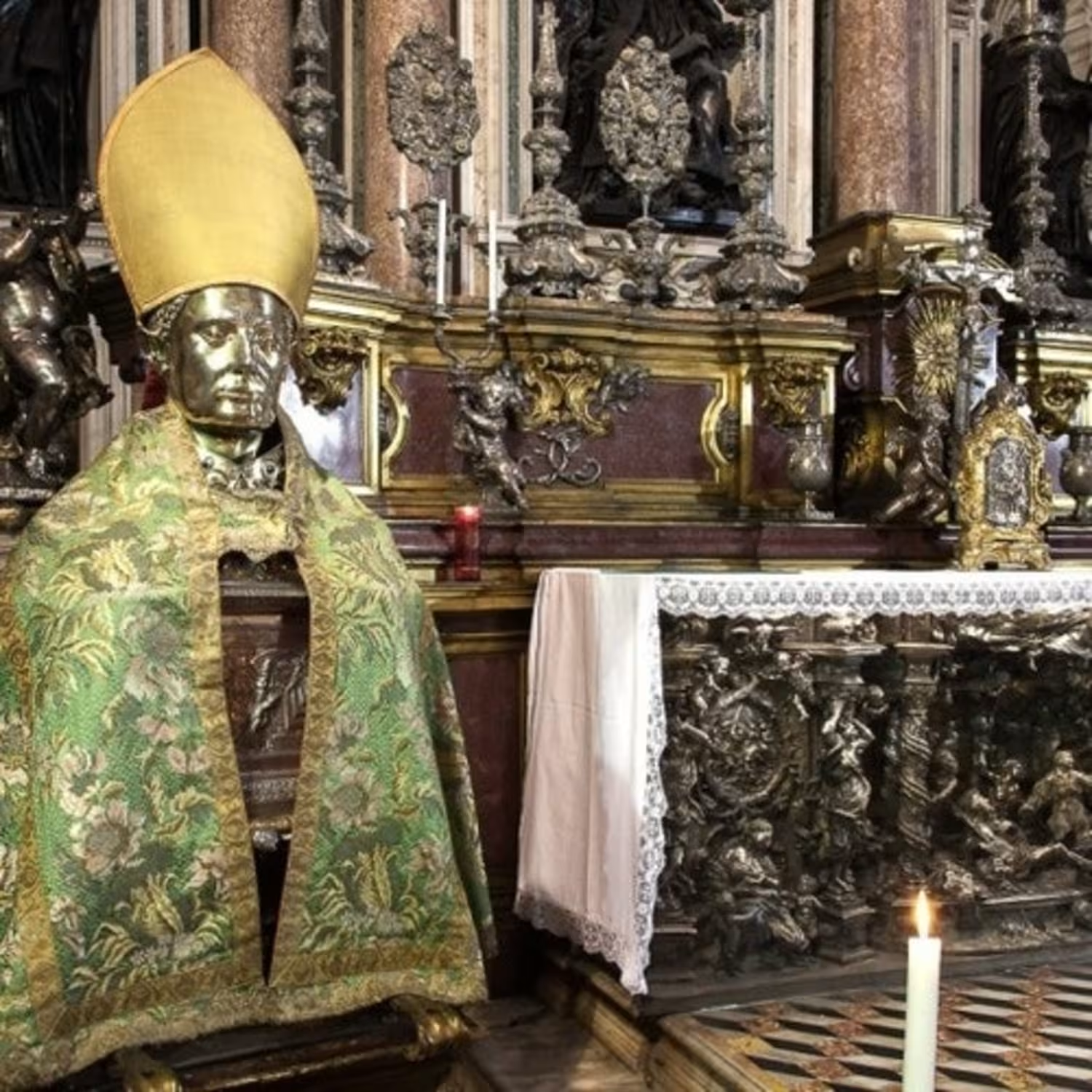
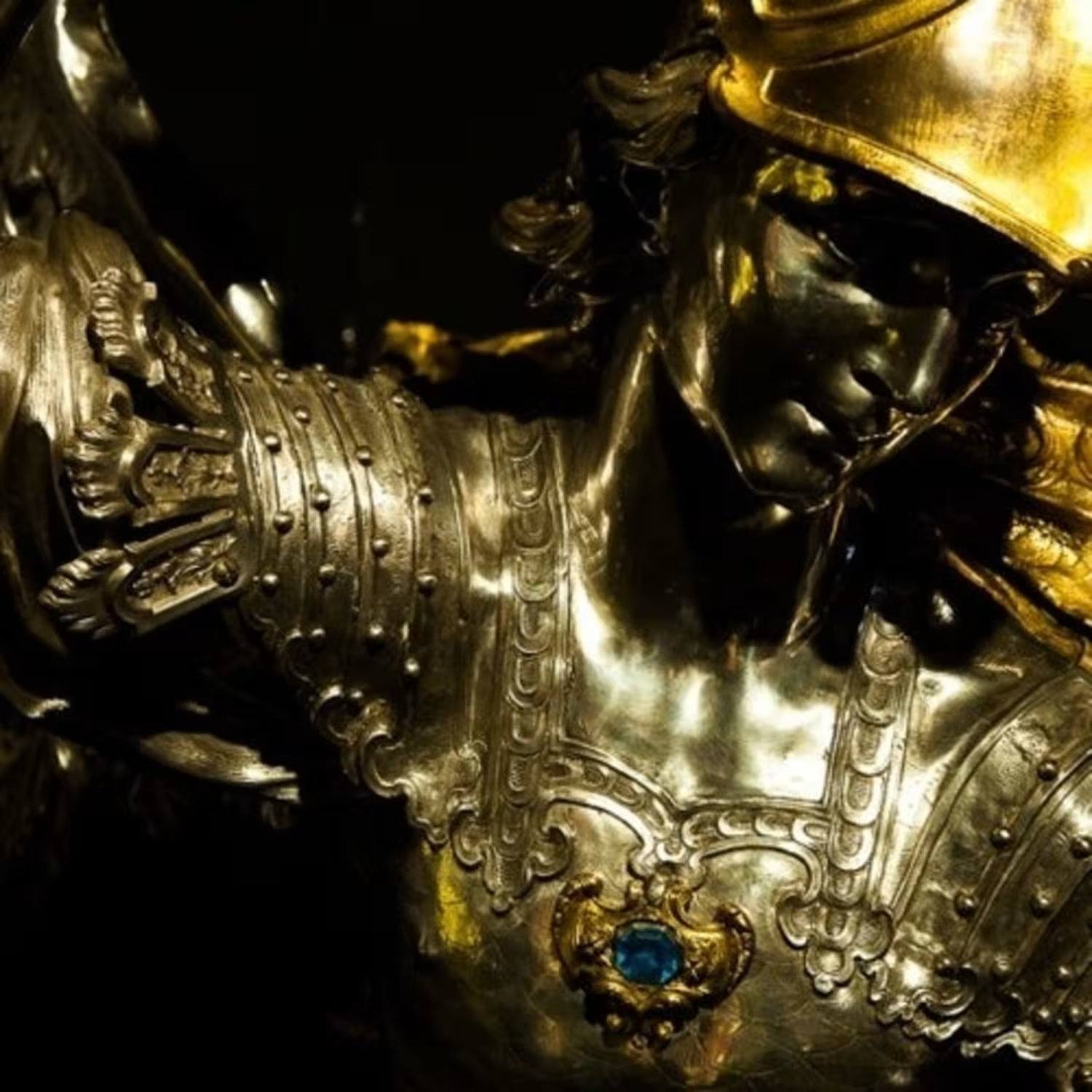
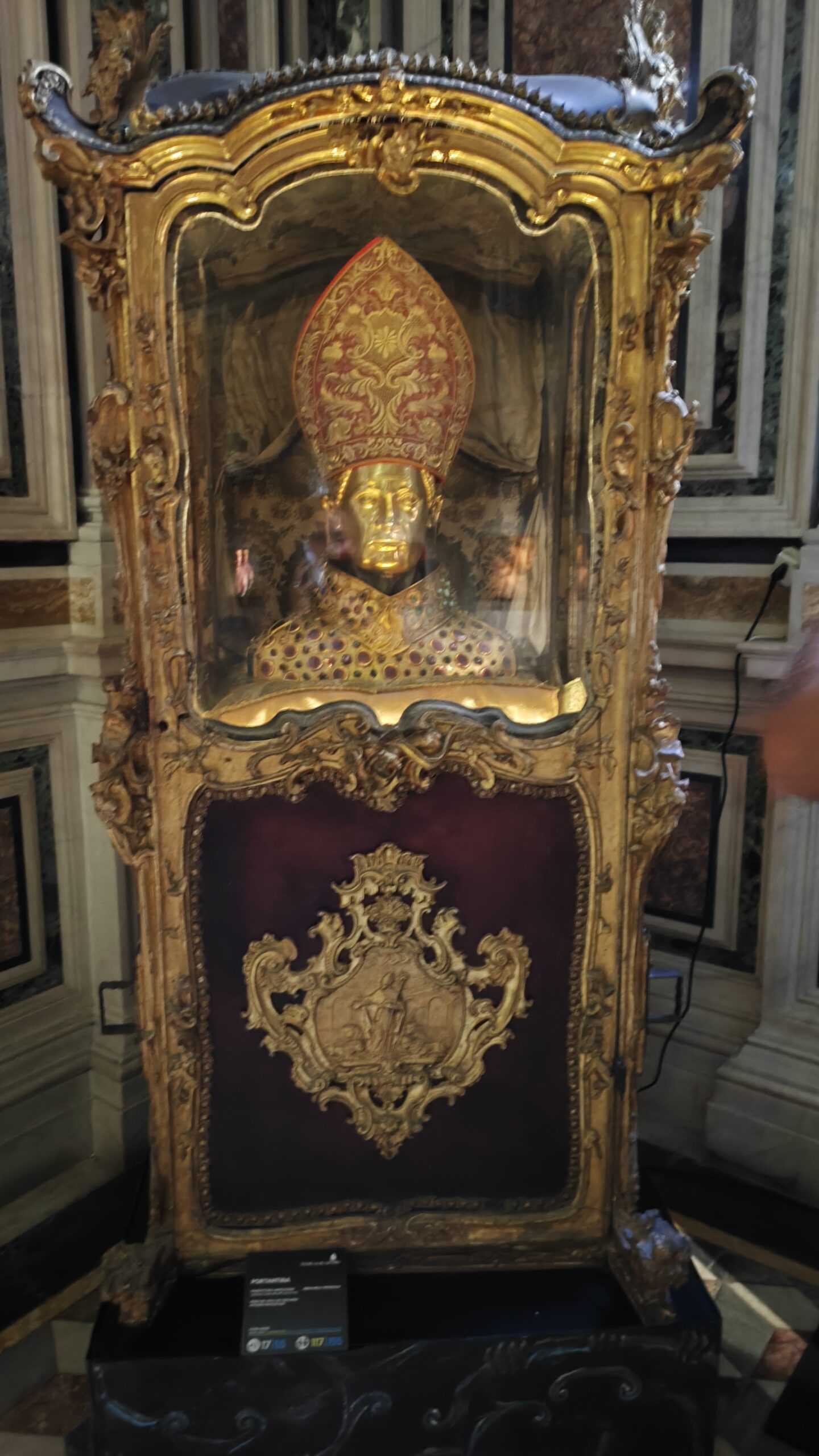
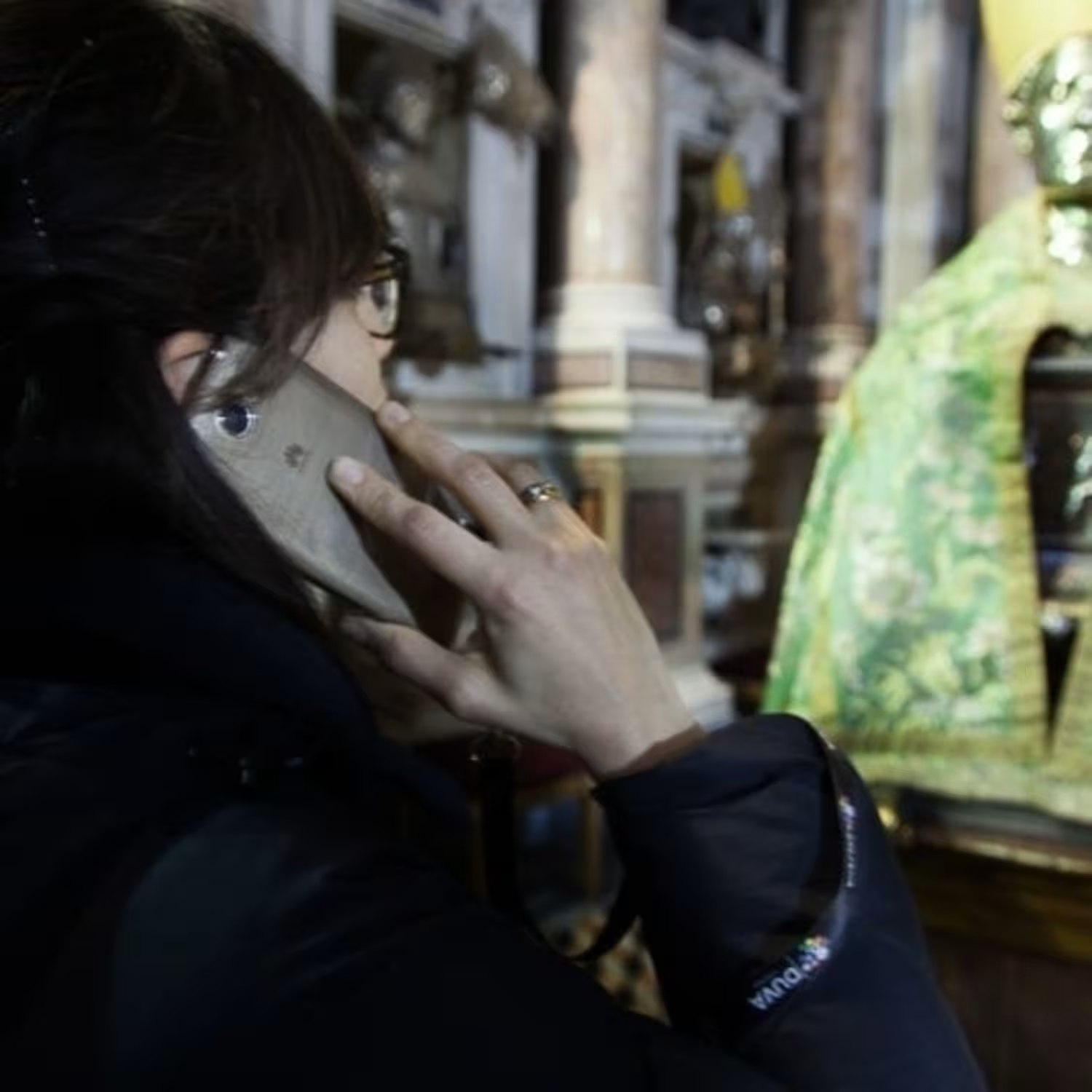
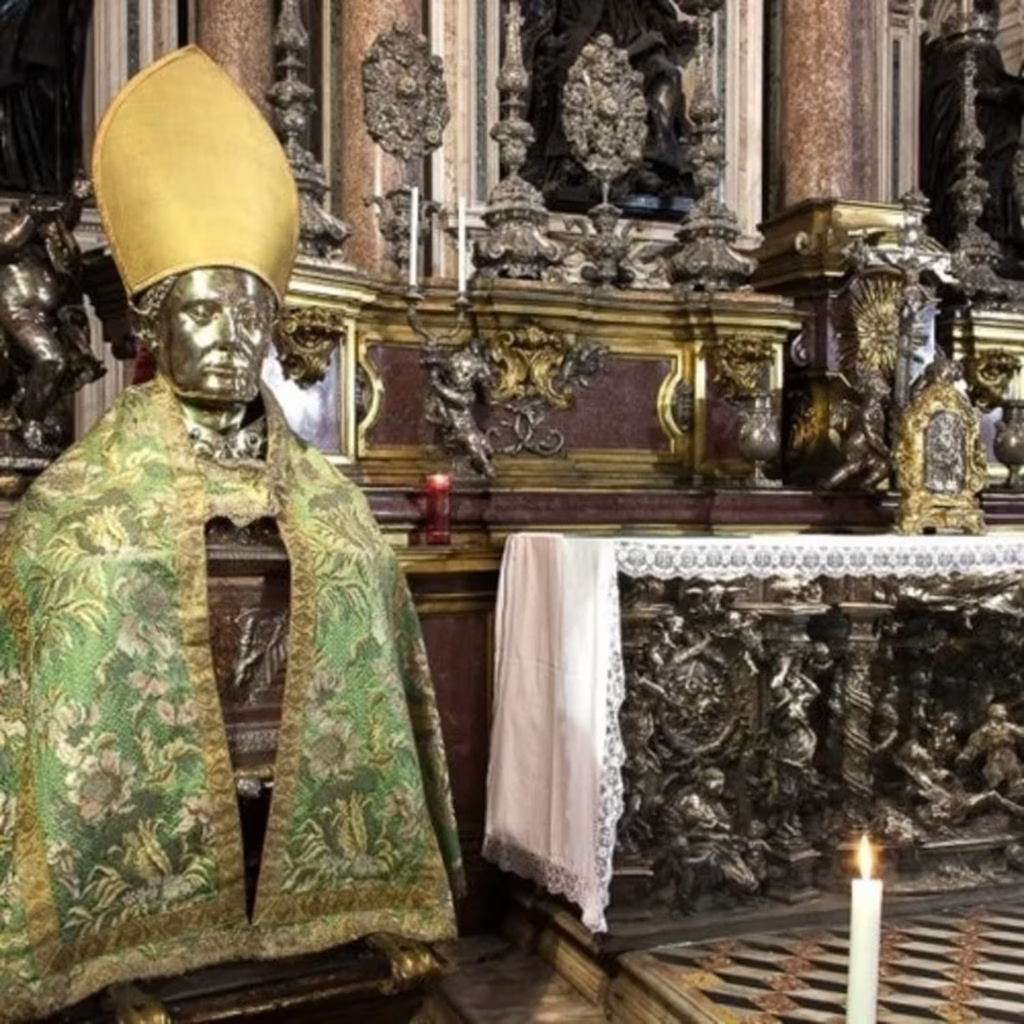
Silver reliquary bust of San Gennaro in mitre and embroidered cope at the altar of the Royal Chapel of the Treasure

The San Gennaro Miracle: When the Blood of Naples' Patron Turns Liquid

Three times a year a dark solid in a 14th-century glass flask becomes liquid in front of a packed Cathedral. The Treasure of San Gennaro grew up around that flask, and the museum beside the Duomo is where you understand why Naples gave it so much.

What the San Gennaro Miracle Actually Involves

The relic is two small glass ampoules sealed in a silver reliquary. The larger one, about ten centimetres high, is more than half full of a dark solid mass; the smaller holds only traces.

Tradition says a woman named Eusebia collected the blood at the saint's beheading near Pozzuoli in 305. The flasks were first shown publicly in 1305.

The first certain record of a liquefaction is 1389, shortly after a famine. Earlier dates once quoted have not stood up.

There are three ceremonies a year: the Saturday before the first Sunday of May, 19 September and 16 December. Counting the days that follow the May and September feasts, the reliquary is exposed 18 times a year.

The December date remembers the Vesuvius eruption of 1631, which Neapolitans believe stopped after they invoked the saint.

The liquefaction usually comes within minutes to an hour. It has rarely failed in May or September; December is the date that most often stays solid, and a failure is read as a bad omen.

Between ceremonies the ampoules stay in the Royal Chapel of the Treasure inside the Cathedral, behind the altar, in niches with silver doors given by Charles II of Spain in 1667.

Britannica notes the phenomenon has been examined many times and that no natural explanation has been established. The museum does not claim to resolve it.

A Flask, a Famine and the First Recorded Liquefaction
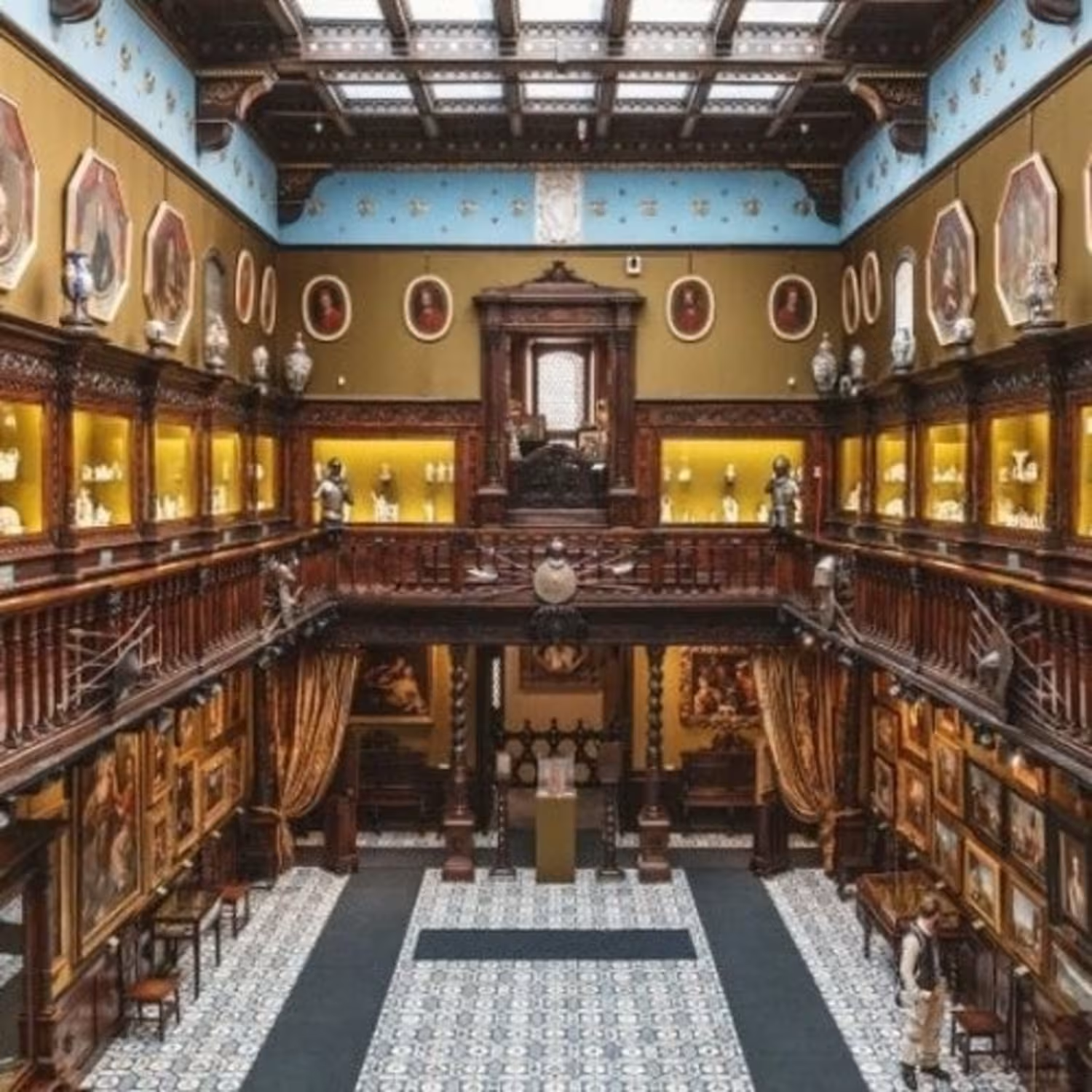
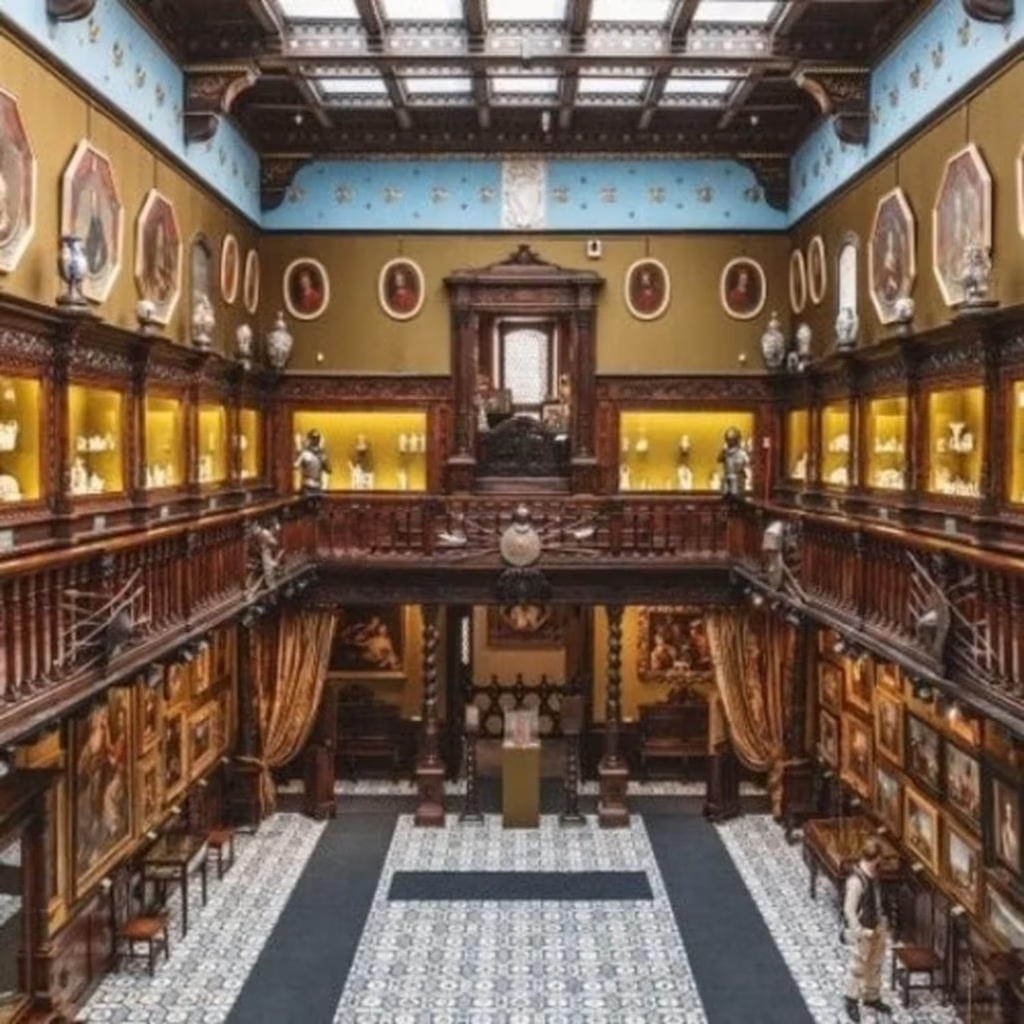
Hall of the Treasure of San Gennaro museum, with display cases and portrait medallions

The story starts with a beheading. Januarius, bishop of Benevento, was executed near Pozzuoli on 19 September 305 under Diocletian, and tradition holds that a Neapolitan woman, Eusebia, gathered some of his blood in two flasks and later handed them to the bishop of Naples. Nothing about that can be checked. What can be checked is the paper trail that begins a thousand years later.

The blood relic was first displayed in 1305, the year the Angevin king Charles II gave the city a gold and jewelled bust of the saint, the first object of what became the Treasure. The first secure account of the blood turning liquid dates from 17 August 1389, during a public exposition in the aftermath of a severe famine. From then on the ampoules were brought out on the saint's feast and in moments of fear.

By the 17th century the rhythm was fixed. May commemorates the translation of the relics to Naples, 19 September the martyrdom, and 16 December was added after the eruption of Vesuvius in 1631, when the lava stopped short of the city and Naples credited the saint. Those are the three dates the whole city still watches, and the reason the Treasure of San Gennaro exists at all.

The Royal Chapel: a Vow Made in 1527 and Paid for Over a Century

Reliquary bust of San Gennaro surrounded by gilded silver at the altar

In the winter of 1526 and 1527 Naples faced a French siege, a return of the plague and an eruption of Vesuvius with earthquakes. On 13 January 1527 representatives of the city's districts signed a notarised vow: if the saint protected them, they would build him a chapel. The pledges were 10,000 ducats for the chapel and 1,000 for a tabernacle to hold the blood.

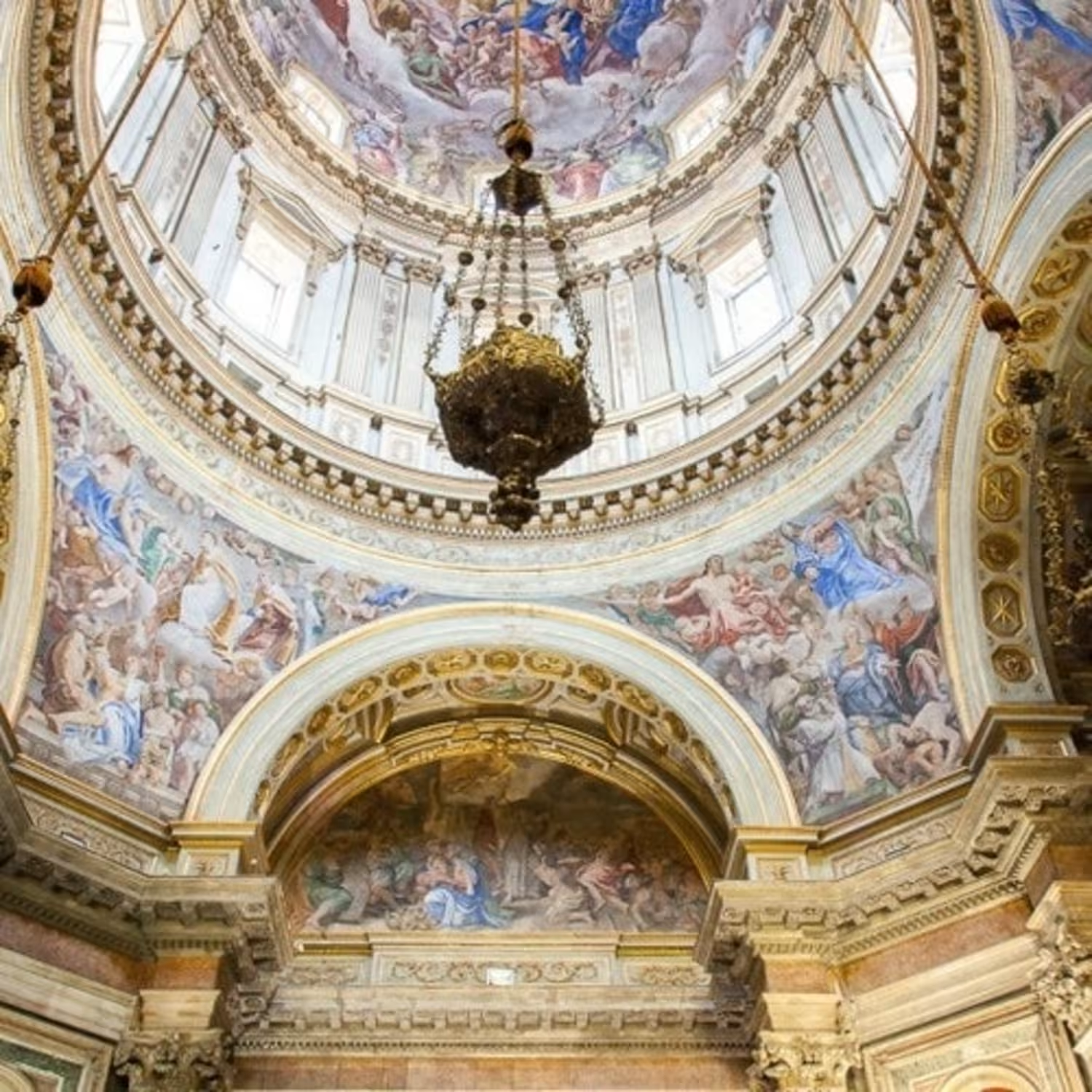
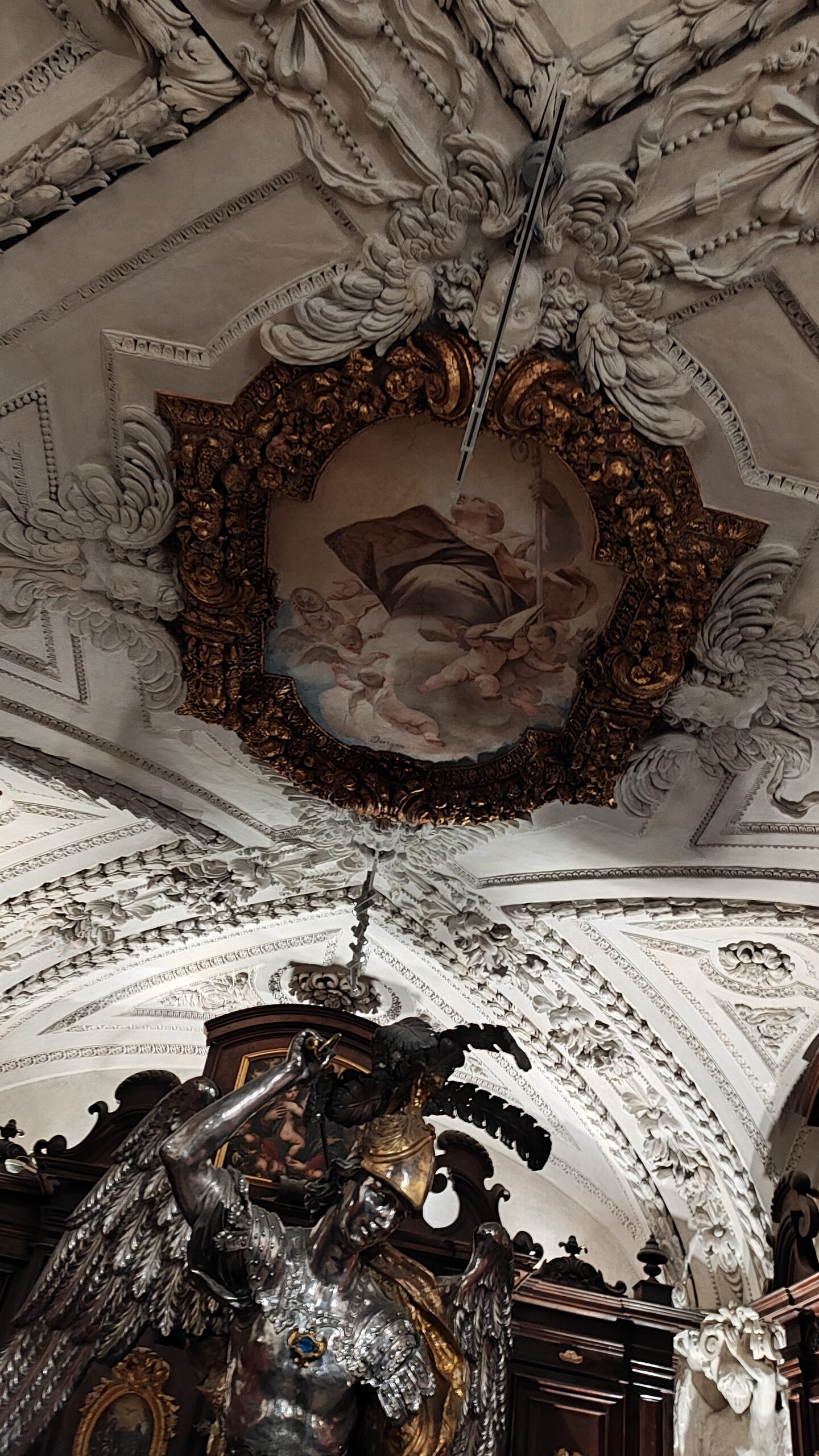
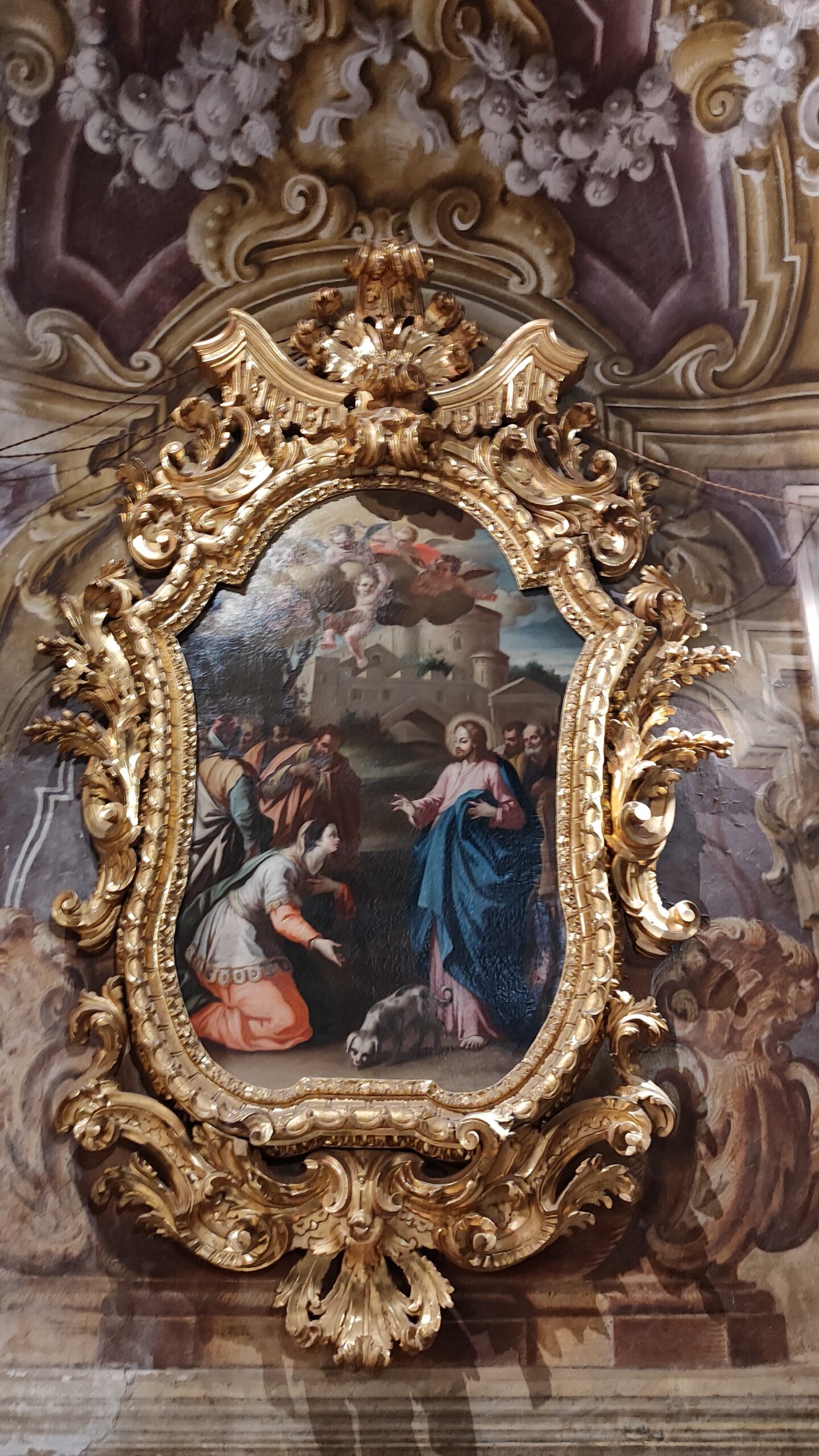
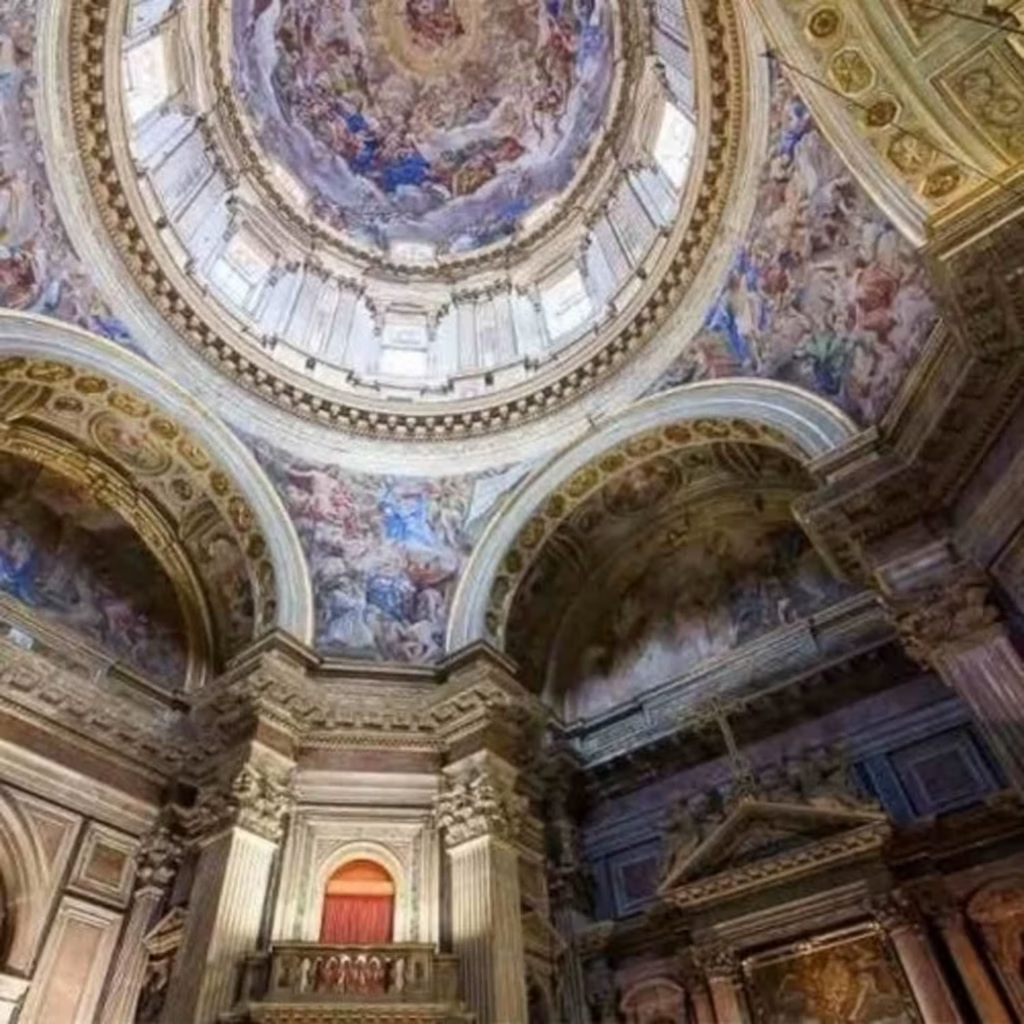
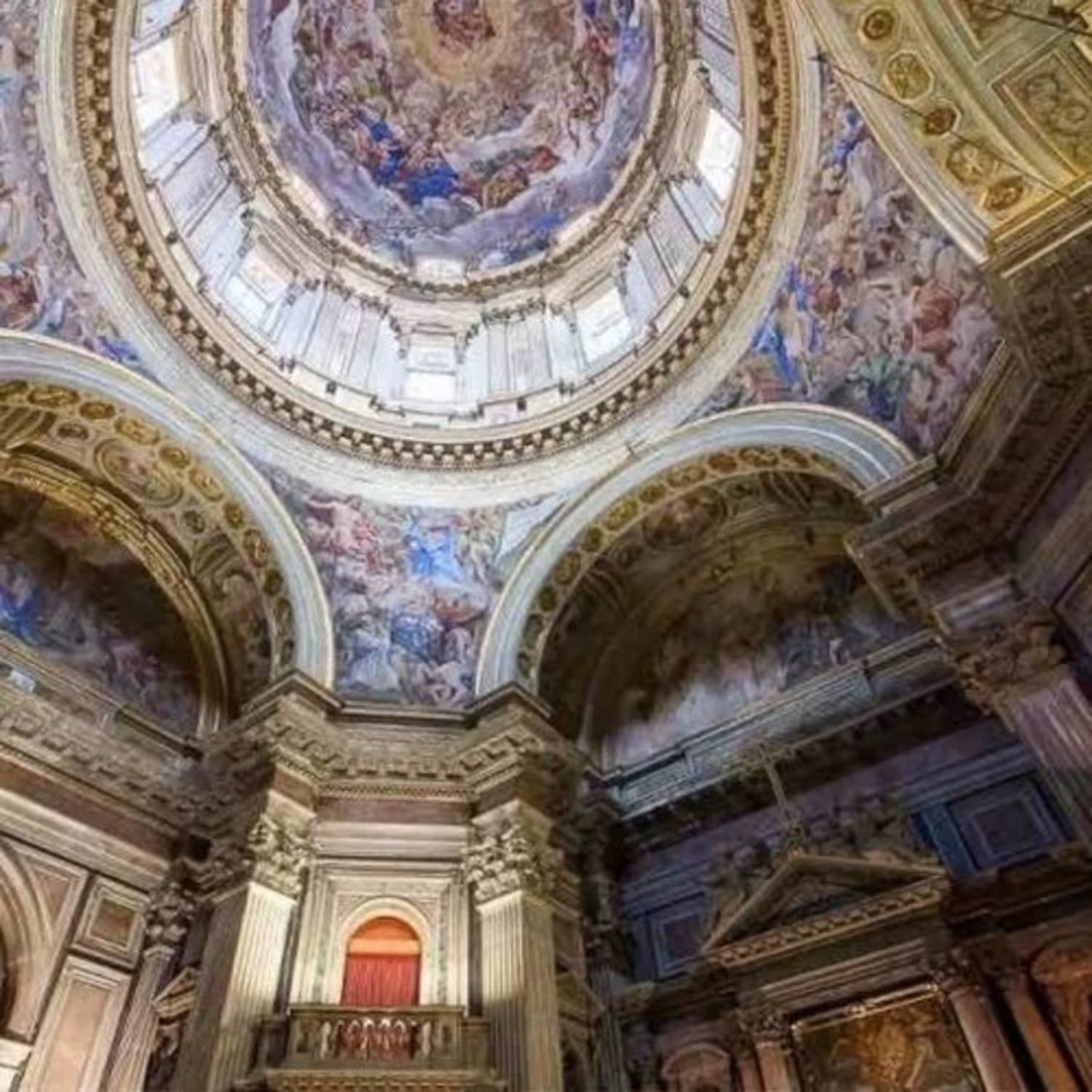
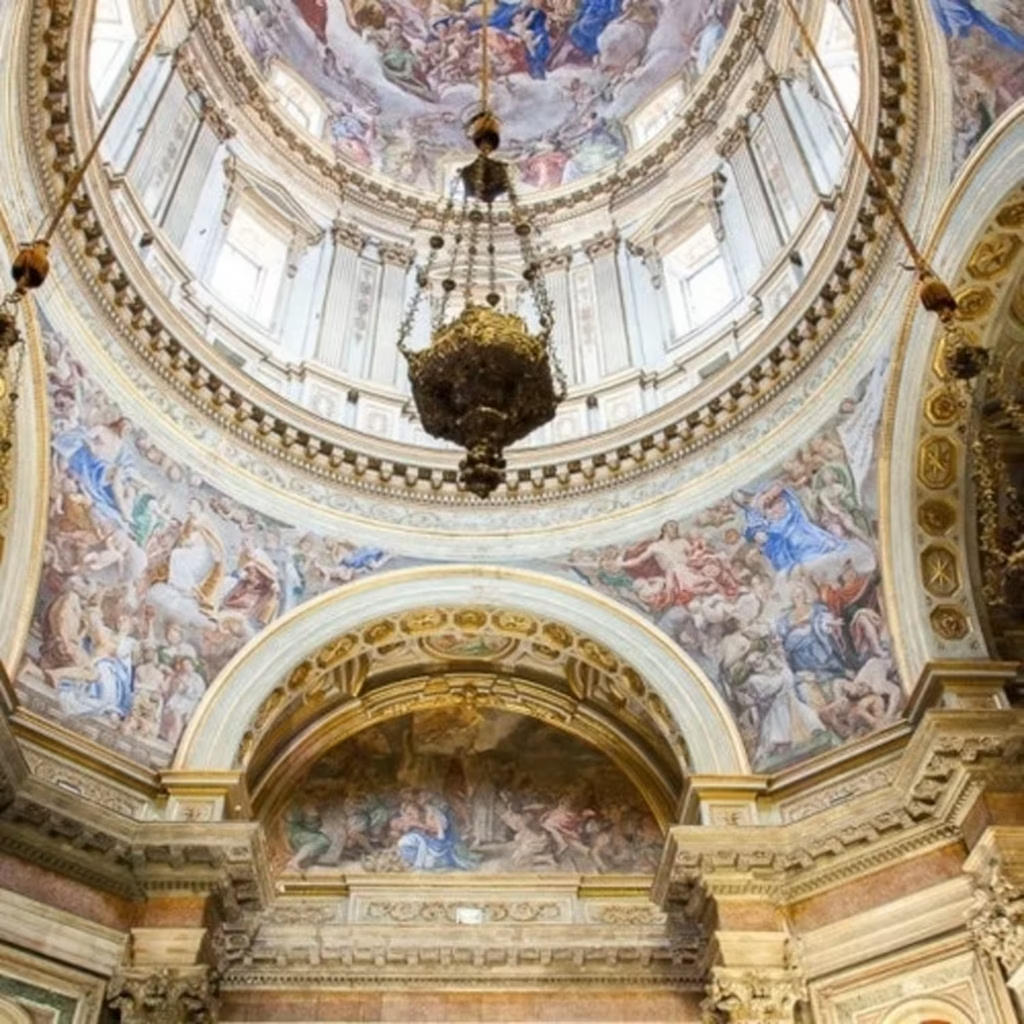
It took until 1601 to organise and 1608 to start. The city appointed a committee of twelve lay members, the Deputation of the Treasure, to run the project and guard the relics, and it still does: under papal bulls the chapel belongs to the city of Naples, not to the diocese. The Theatine architect Francesco Grimaldi drew a Greek cross under a dome; Cosimo Fanzago designed the brass gates in 1630; Domenichino painted most of the frescoes, Lanfranco finished the dome after Domenichino died in 1641, and Ribera contributed a canvas. The chapel was complete in 1646, at a cost of more than 480,000 scudi.

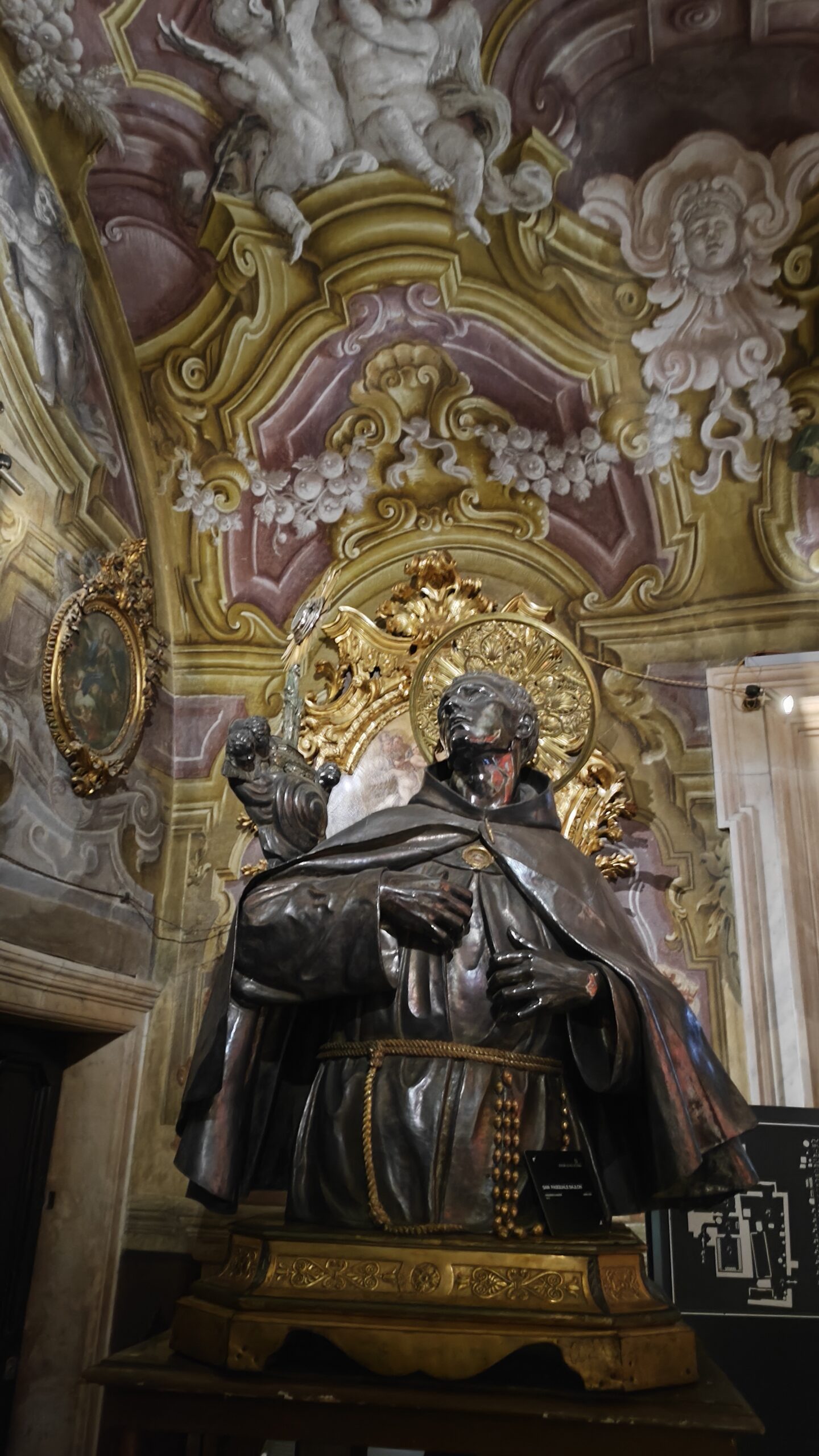
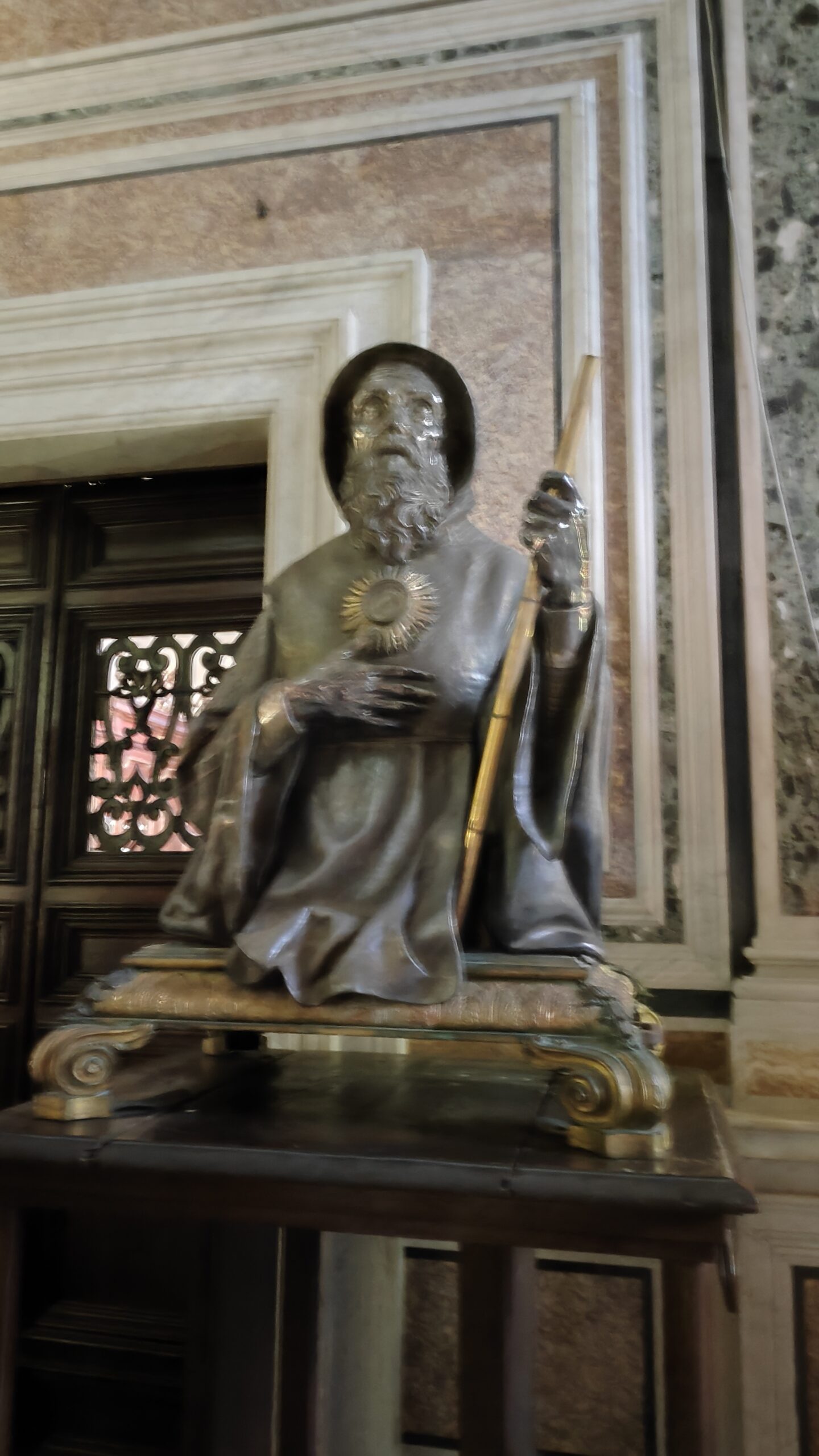
This is the room where the miracle happens. The ampoules are kept behind the altar, the silver reliquary busts of the city's co-patrons, more than fifty of them, line the walls, and on the three dates the archbishop carries the reliquary out before the crowd and turns it until the mass inside moves. If your ticket includes the Chapel of San Gennaro, this is the part of the visit to slow down for.

4.8
(13)

Visit the Museum of the Treasure of San Gennaro

Highlights

Bypass standard ticket lines for quicker entry.

Discover art and cultural artifacts spanning seven centuries.

Explore the Royal Chapel of San Gennaro.

Enjoy an audio guide available in English, French, German, Italian, and Spanish.

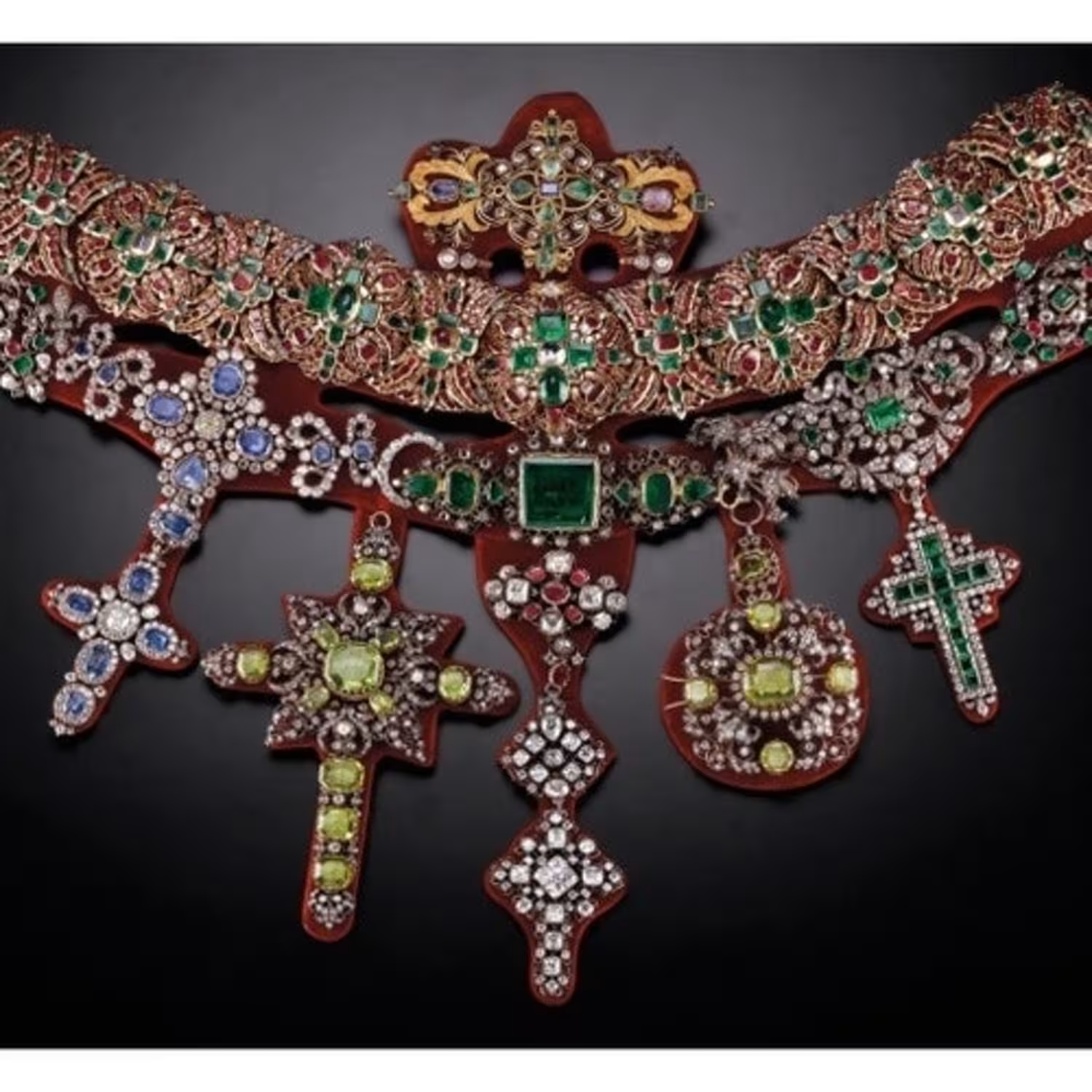
View one of the world’s largest emeralds and other priceless treasures.
4.6
(14)

Visit the Chapel of San Gennaro, the Treasure Museum and the Filangieri Museum

Highlights

Avoid waiting in line with priority access.

Explore historic subterranean passageways.

Enjoy expert commentary throughout the tour.
See the Chapel, Then the Treasure Behind It

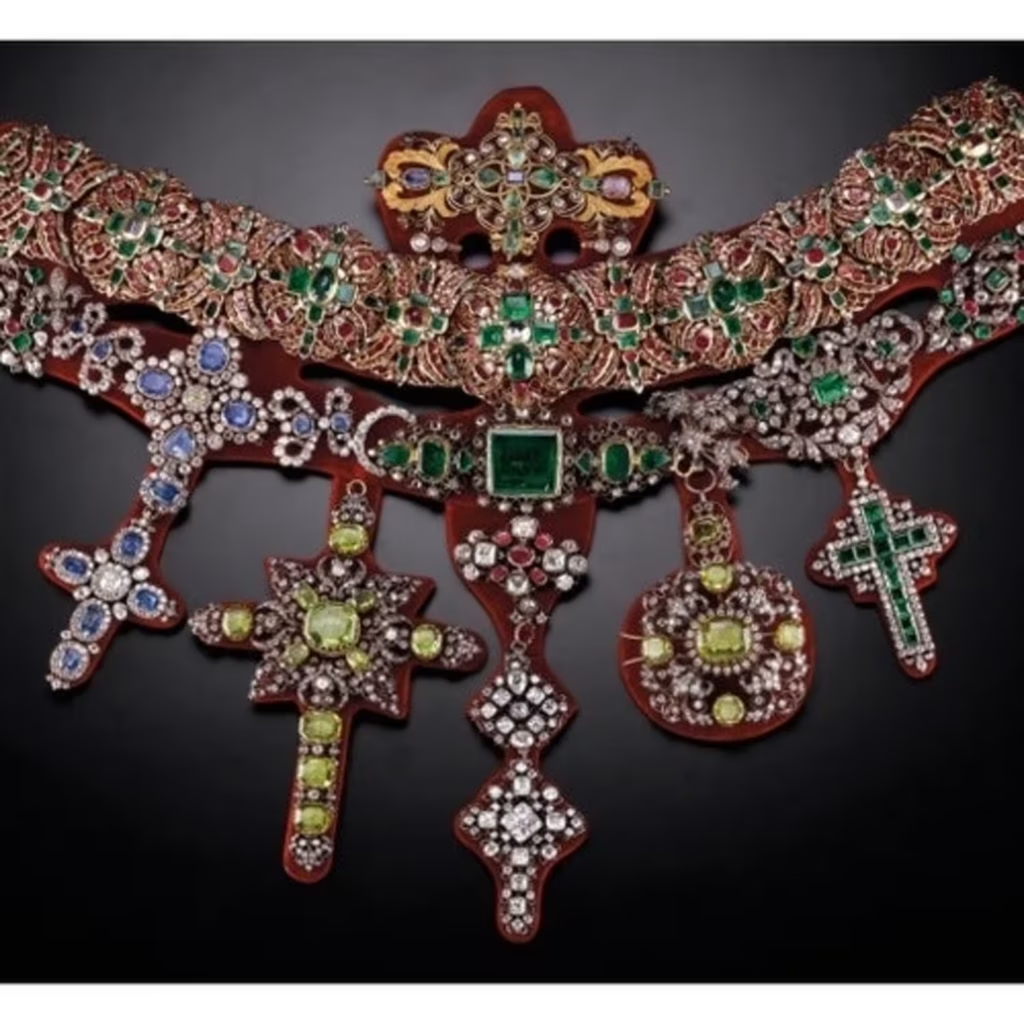
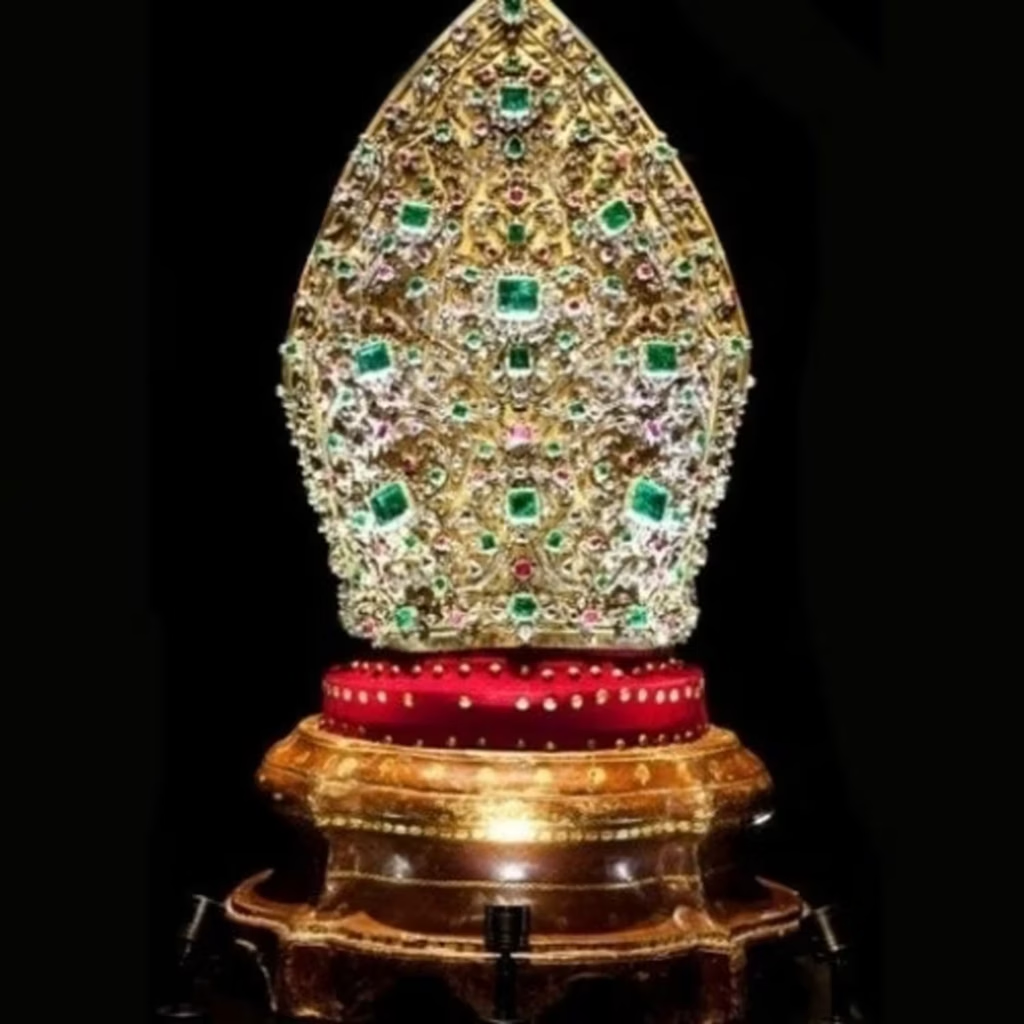
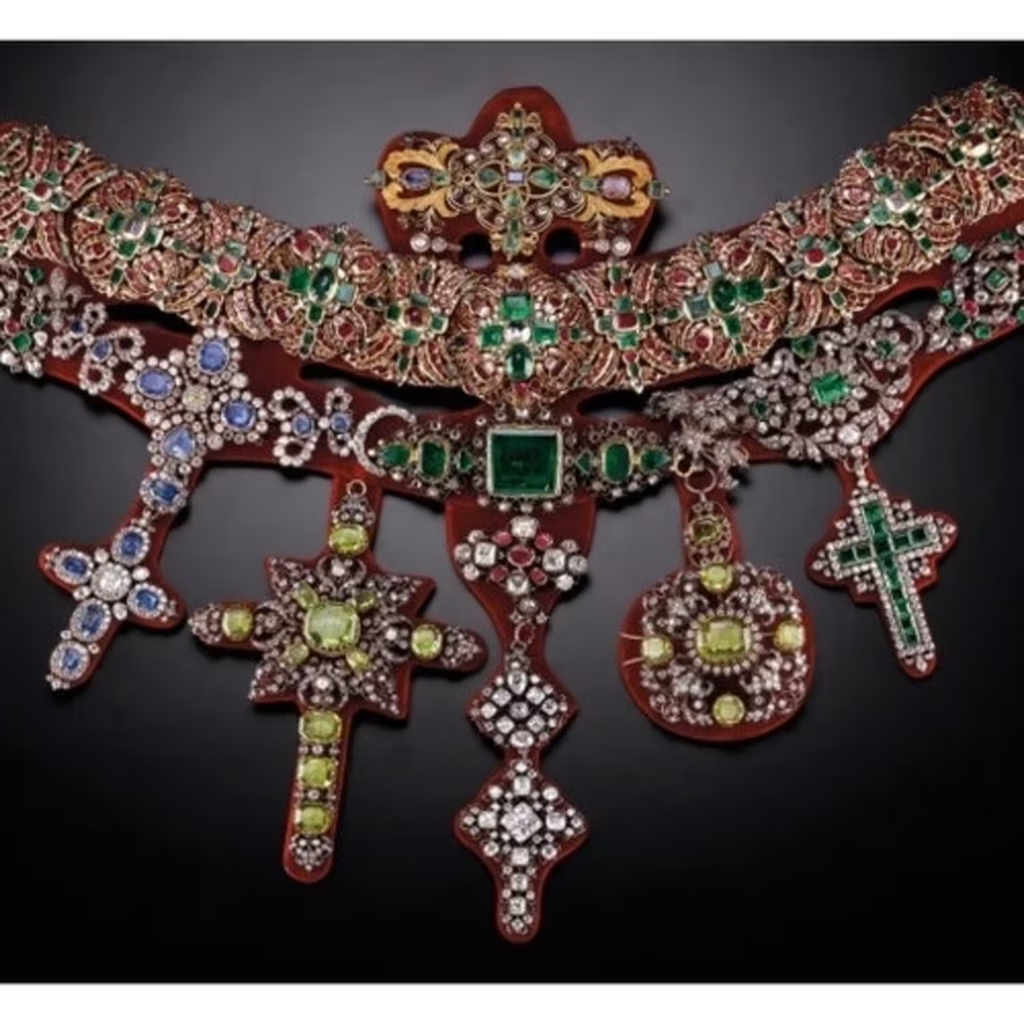
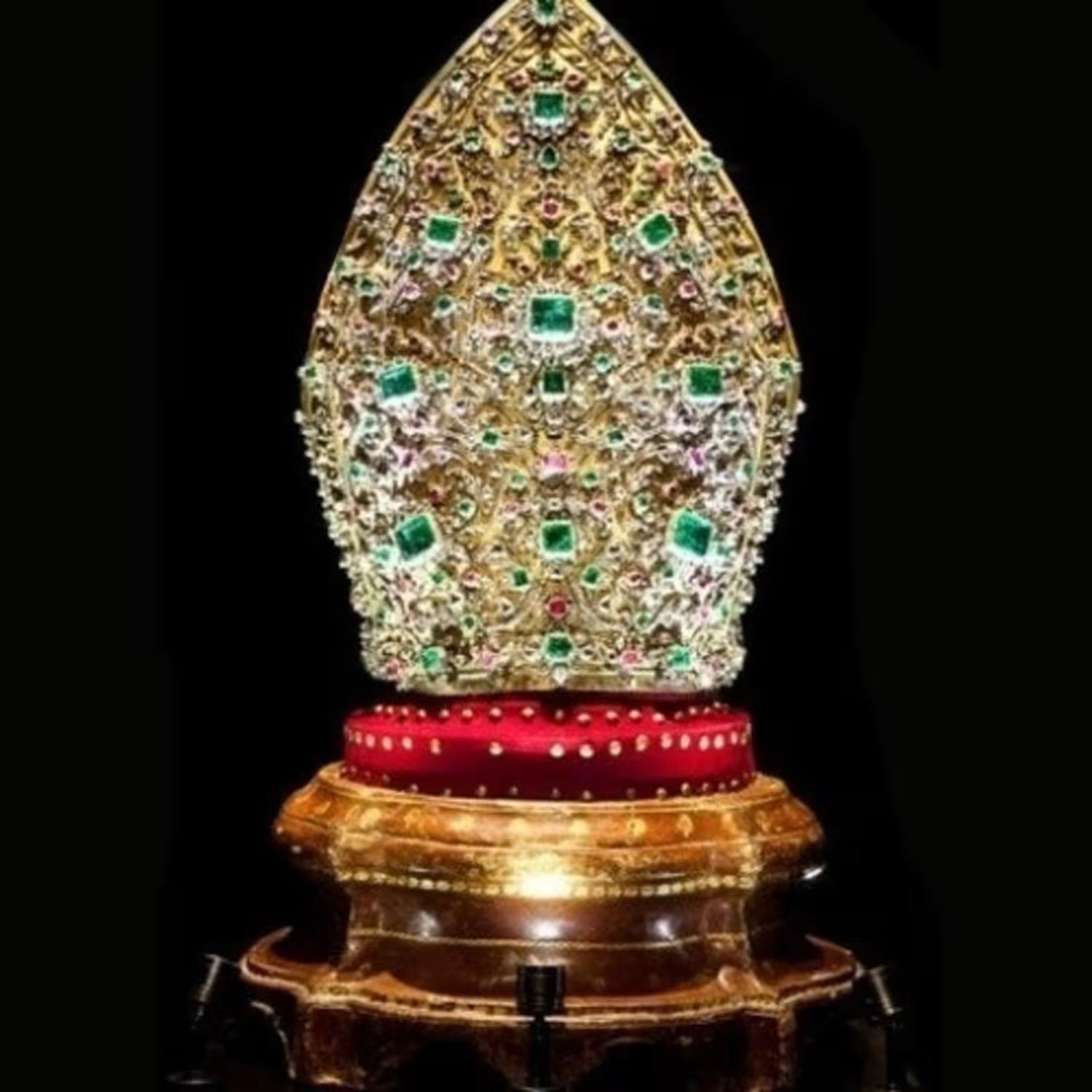
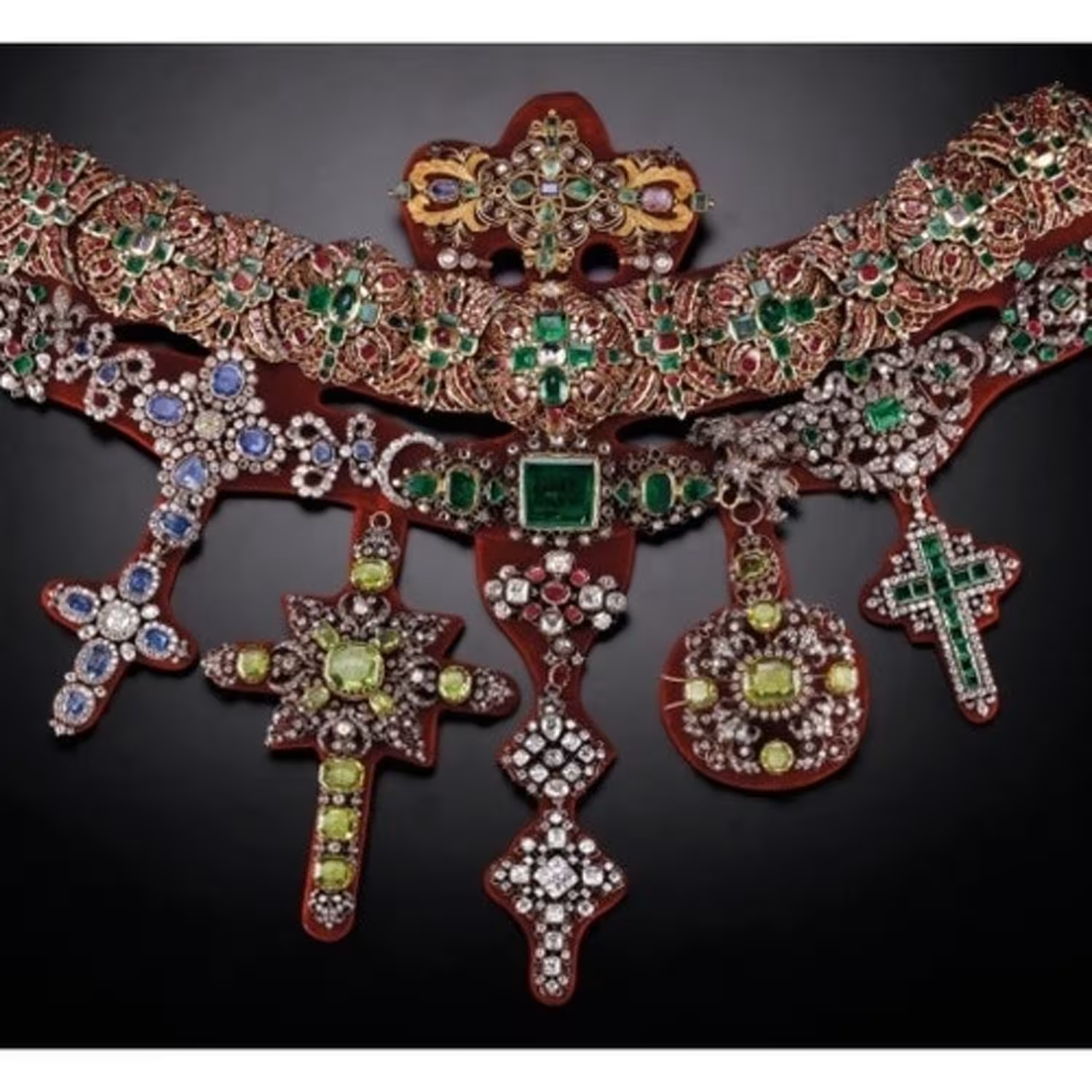
The Visit the Museum of the Treasure of San Gennaro ticket gives you the museum rooms beside the Cathedral, where the mitre, the necklace and the silver are shown with the story of the vow and the Deputation. If you want to stand in the room where the blood is kept, choose the option that covers the Chapel of San Gennaro, the Treasure Museum and the Filangieri Museum. On the three ceremony dates the Cathedral fills early and the chapel is given over to the rite, so check before you go if your visit falls near them.

About this guide

Sources: Britannica, Saint Januarius; Catholic Encyclopedia, St. Januarius; Vatican City State, Saint of the day: Saint Januarius, bishop of Benevento and martyr; Apollo Magazine, The Treasure of Naples at the Musee Maillol; Religion Unplugged, Inside the Treasure of San Gennaro; BSECS Criticks, The Treasure of Naples: masterpieces of the St Januarius Museum.

Frequently Asked Questions About the San Gennaro Miracle

What is the San Gennaro miracle?

It is the liquefaction of what is venerated as the blood of Saint Januarius, kept as a dark solid in two sealed glass ampoules in Naples Cathedral. Three times a year the mass turns liquid while the archbishop holds the reliquary before the congregation.

When does the San Gennaro miracle happen?

On the Saturday before the first Sunday of May, on 19 September and on 16 December. The reliquary is also shown for eight days after the May and September ceremonies, making 18 expositions a year.

Where does the San Gennaro miracle take place?

In the Cathedral of Naples, and specifically in the Royal Chapel of the Treasure, where the ampoules are kept behind the altar. The September ceremony is held at the high altar in front of a full Cathedral.

What happens if the blood of San Gennaro does not liquefy?

Neapolitans read it as a warning. The December exposition is the one that most often stays solid, and a failure in December 2020, during the pandemic, was widely reported as a bad omen.

How old is the San Gennaro miracle?

The ampoules were first shown publicly in 1305, and the first certain record of a liquefaction is 17 August 1389. The tradition that the blood was collected at the martyrdom in 305 is much older but cannot be verified.

Is there a scientific explanation for the San Gennaro miracle?

The Church has never declared it a formal miracle, and the sealed ampoules have never been opened for scientific analysis. Britannica notes the phenomenon has been examined many times without an agreed natural explanation, which is roughly where the debate still stands.

Can you see the ampoules of San Gennaro at the Treasure Museum?

Not in the museum rooms. The ampoules stay in the Royal Chapel inside the Cathedral, so choose the ticket that includes the Chapel of San Gennaro if you want to see where they are kept. The museum shows the mitre, the necklace and the rest of the Treasure.

What is the Treasure of San Gennaro?

Seven centuries of gifts to the saint, starting with a gold bust given by Charles II of Anjou in 1305 and guarded by a lay Deputation since 1601. Its best known pieces are the jewelled mitre of 1713 and the necklace begun in 1679, both on show in the museum beside the Cathedral.