We are processing your request.
Please, don’t close or refresh the page.
Naples Tickets Ercolano Naples Villa Of The Papyri
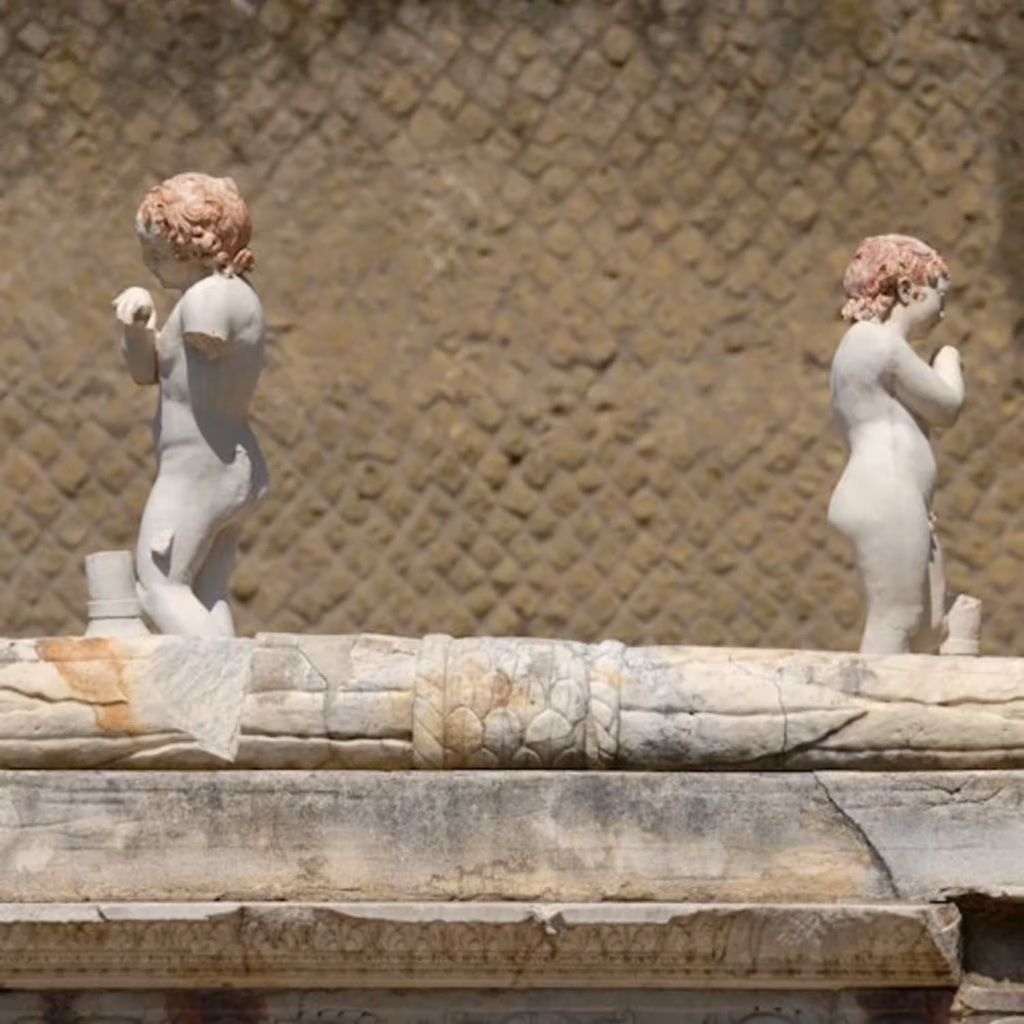
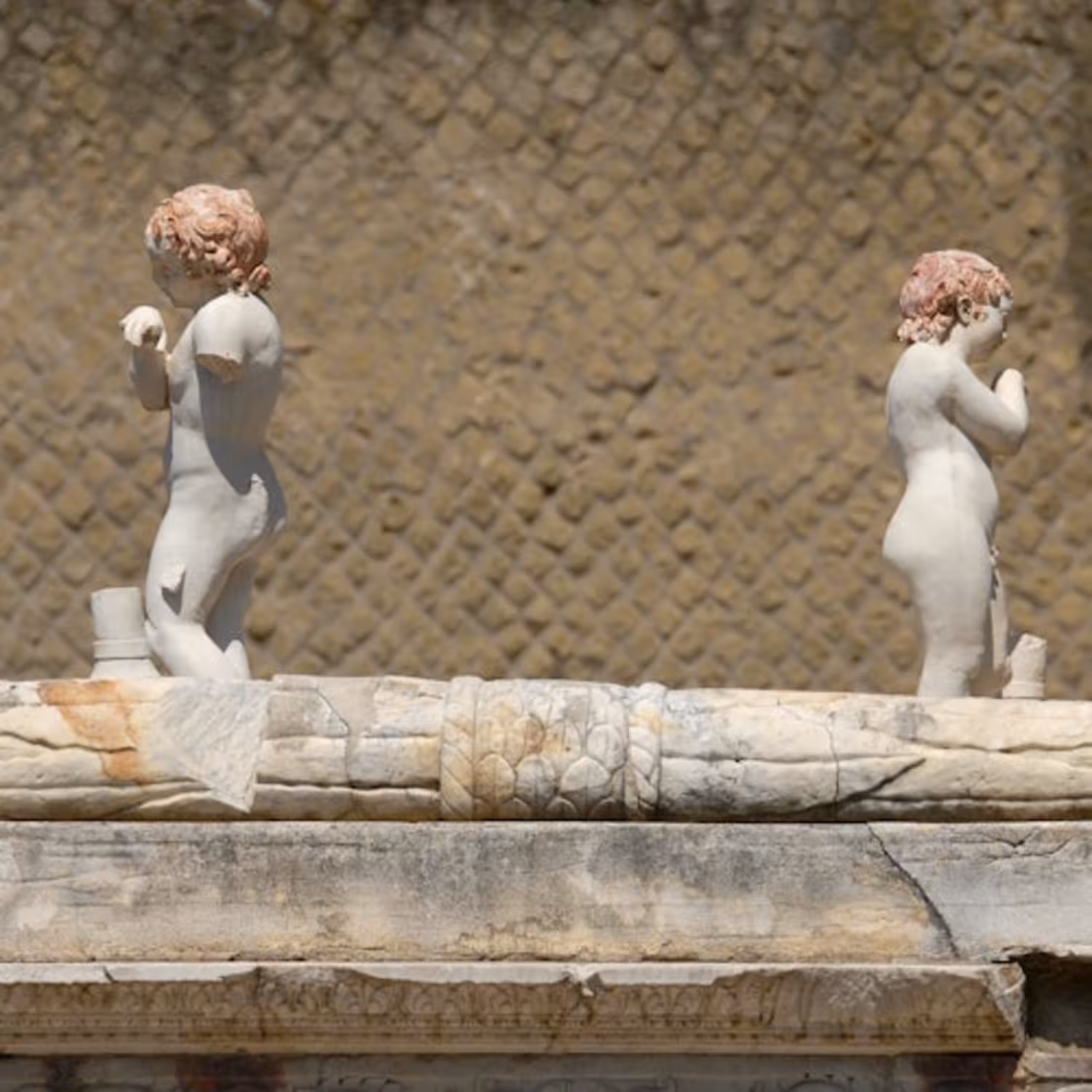
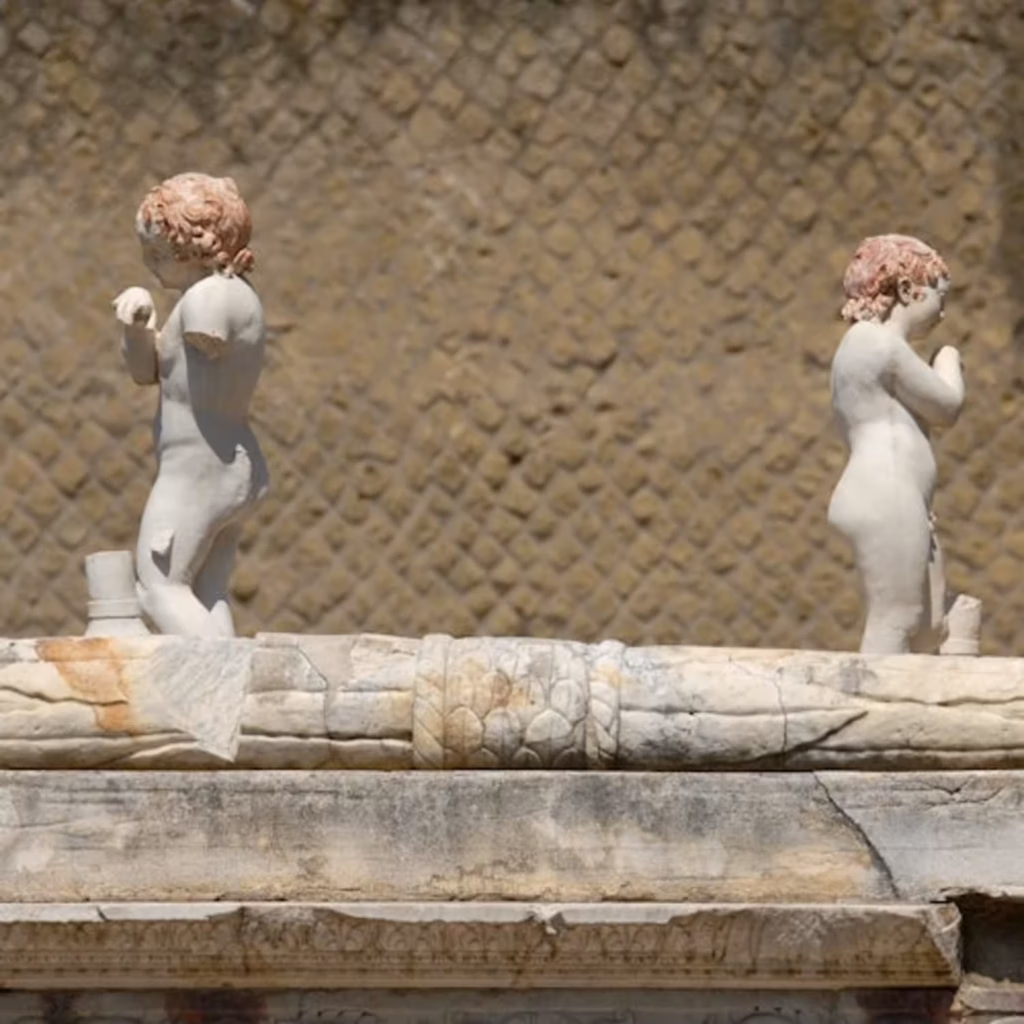
Marble statues on display at Herculaneum

The Villa of the Papyri: Herculaneum's Buried Library and Its 1,800 Scrolls

A seaside palace tunnelled by Bourbon diggers in the 1750s gave the world the only library to survive from antiquity, together with scores of bronzes. Most of it is still underground, and scientists are only now reading what it held.

Why the Villa of the Papyri Matters

It is named after more than 1,800 charred papyrus scrolls, the remains of a great library and the only intact one to survive from the ancient world.

Scholars believe it belonged to Lucius Calpurnius Piso Caesoninus, the father-in-law of Julius Caesar and patron of the Epicurean philosopher Philodemus.

Its rooms and gardens held around ninety sculptures in bronze and marble, copies of Greek originals that have otherwise been lost.

The villa stretched along more than 250 metres of coastline, with its main floor about 16 metres above the ancient sea and terraces stepping down below it.

It was never dug out. The Bourbon excavators reached it through tunnels, removed what they could carry and filled the passages in behind them.

The first scrolls, found in 1752, were mistaken for rolled fabric or fishing nets and some were thrown away before anyone recognised them as books.

Open-air excavations from 1996 to 1998 and in 2007 reached the atrium and a sea pavilion, where carbonised wooden furniture with ivory veneer was found.

The Getty Villa in Malibu, built in the early 1970s, is a full-scale replica based on Weber's plan.

Tunnels, Fishing Nets and a Swiss Engineer
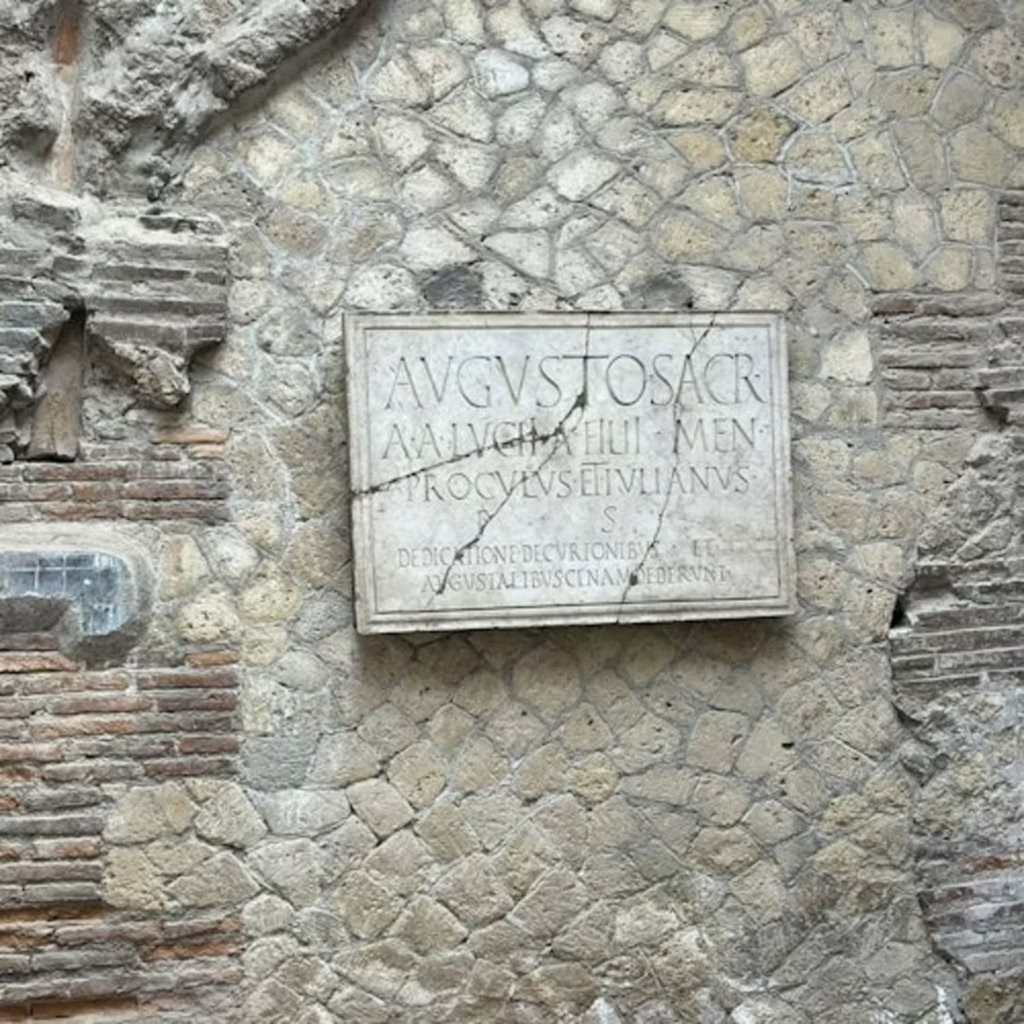
Latin inscription from Herculaneum, carved in the same years the villa was being tunnelled

In 1750 a well shaft in a vineyard above Ercolano hit a marble floor. The diggers were working for Charles of Bourbon, King of Naples, who had been quarrying antiquities out of Herculaneum since the theatre was found in 1738, and the find was handed to Karl Weber, a Swiss military engineer. Weber spent the next fourteen years exploring the building by tunnel, 27 metres below the surface, because digging it out from above was never an option. His first floor plan, drawn in 1754, remains the basis for every reconstruction of the villa since.

Two years into the work, in 1752, the tunnellers started bringing out black cylinders that looked like charred fishing nets or rolls of cloth. Some were discarded before Camillo Paderni, who was in charge of conserving the finds, recognised them as papyrus books. By the end there were more than 1,800 of them, carbonised by surges hotter than 400 degrees but held in shape by the rock that sealed the villa. The king set up the Accademia Ercolanese to study them, and the villa took its modern name.

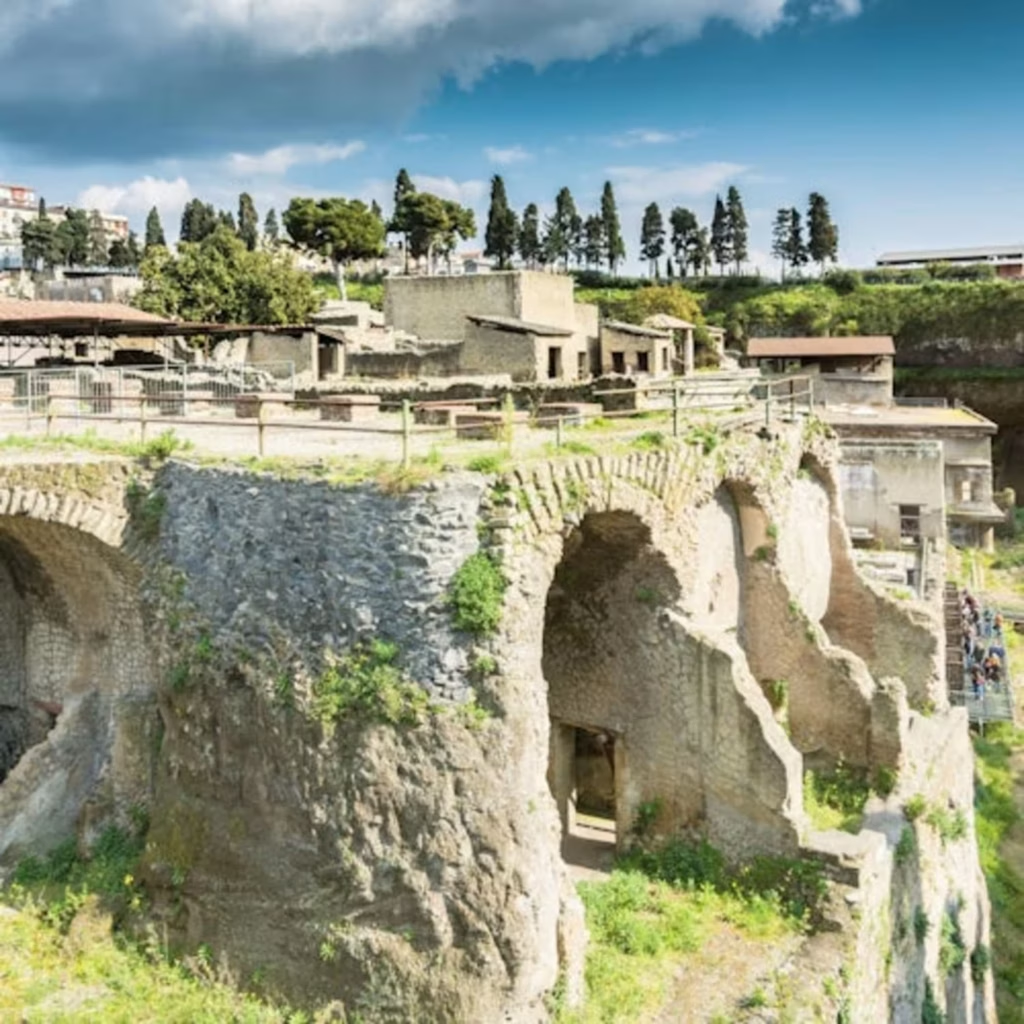
What the eighteenth century could carry out, it did: bronzes, marbles, mosaics and the scrolls went to the royal collections. What it could not carry, it left. The tunnels were backfilled, the location was gradually forgotten, and the villa itself stayed where it was, under what is now a residential district of Ercolano. It would be more than two centuries before anyone saw its walls in daylight.

Reading a Library Nobody Can Unroll

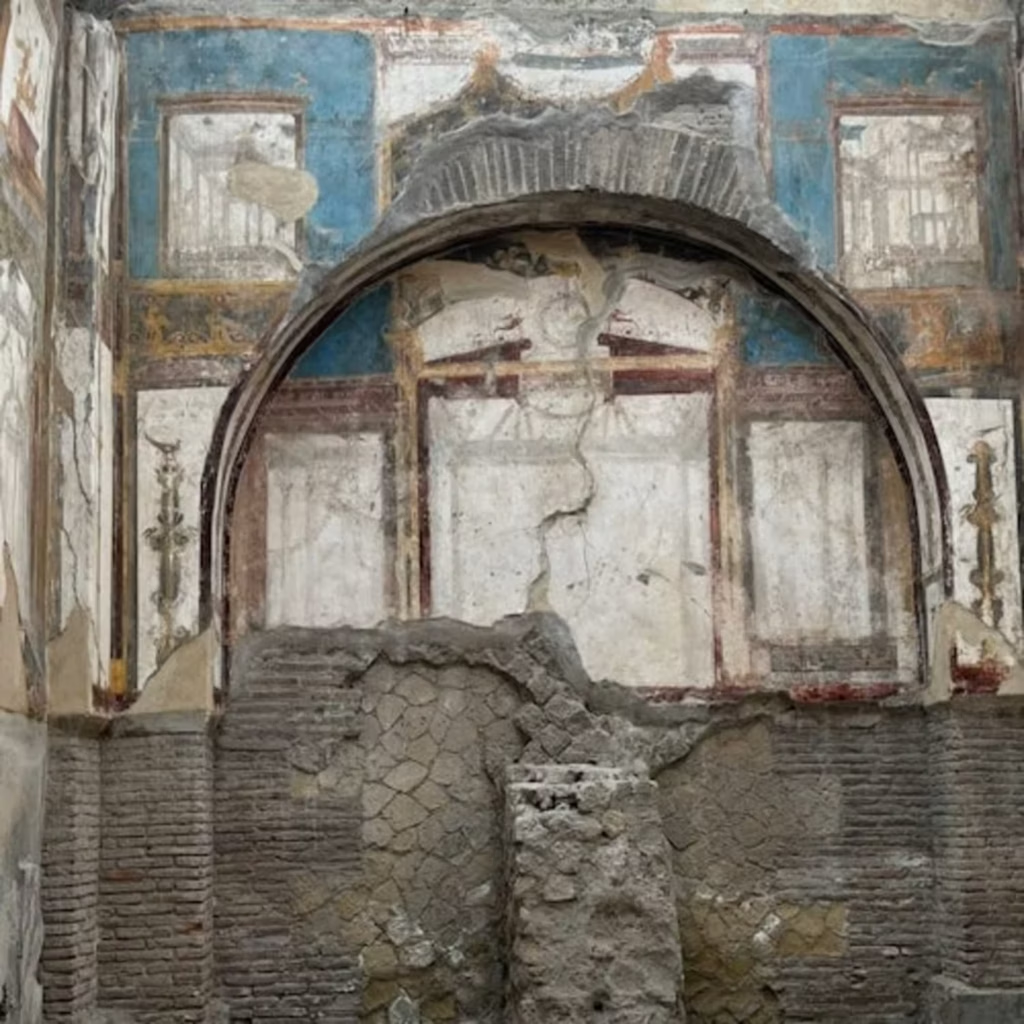
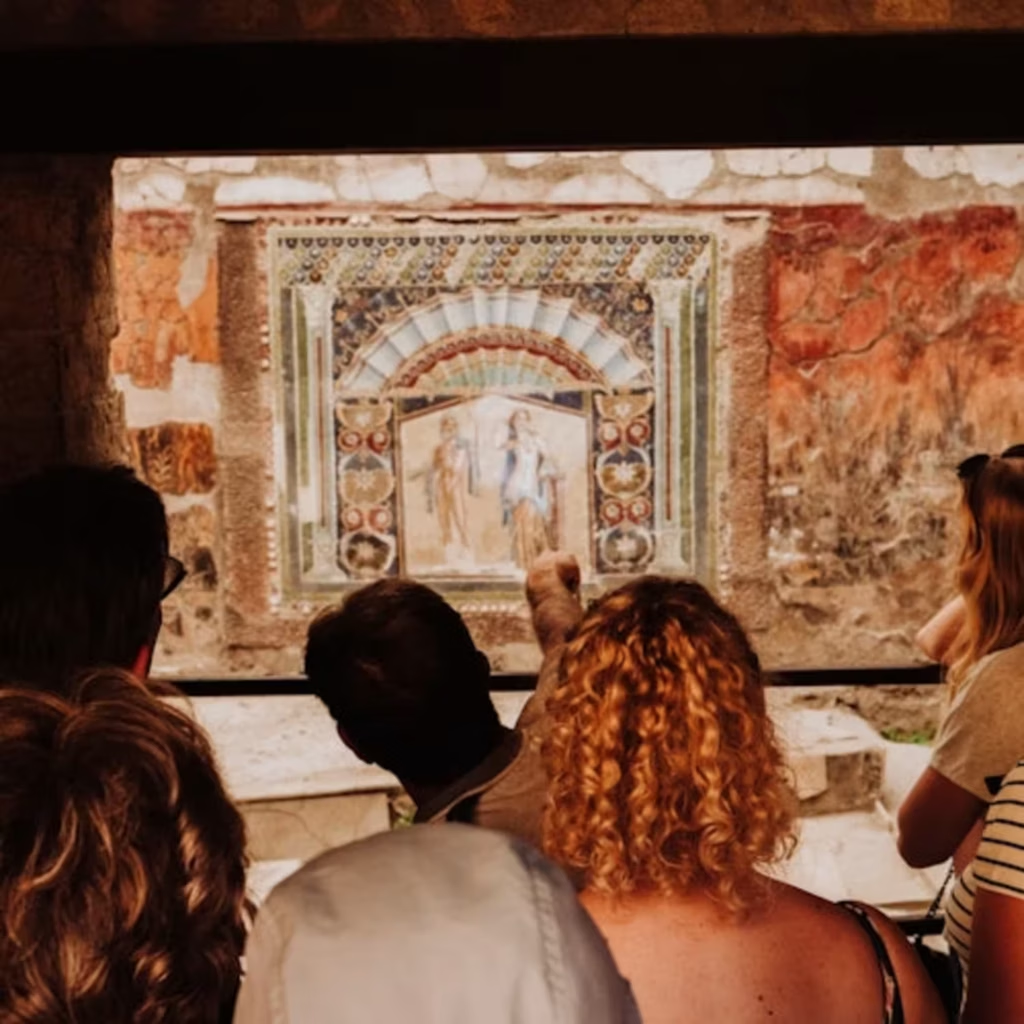
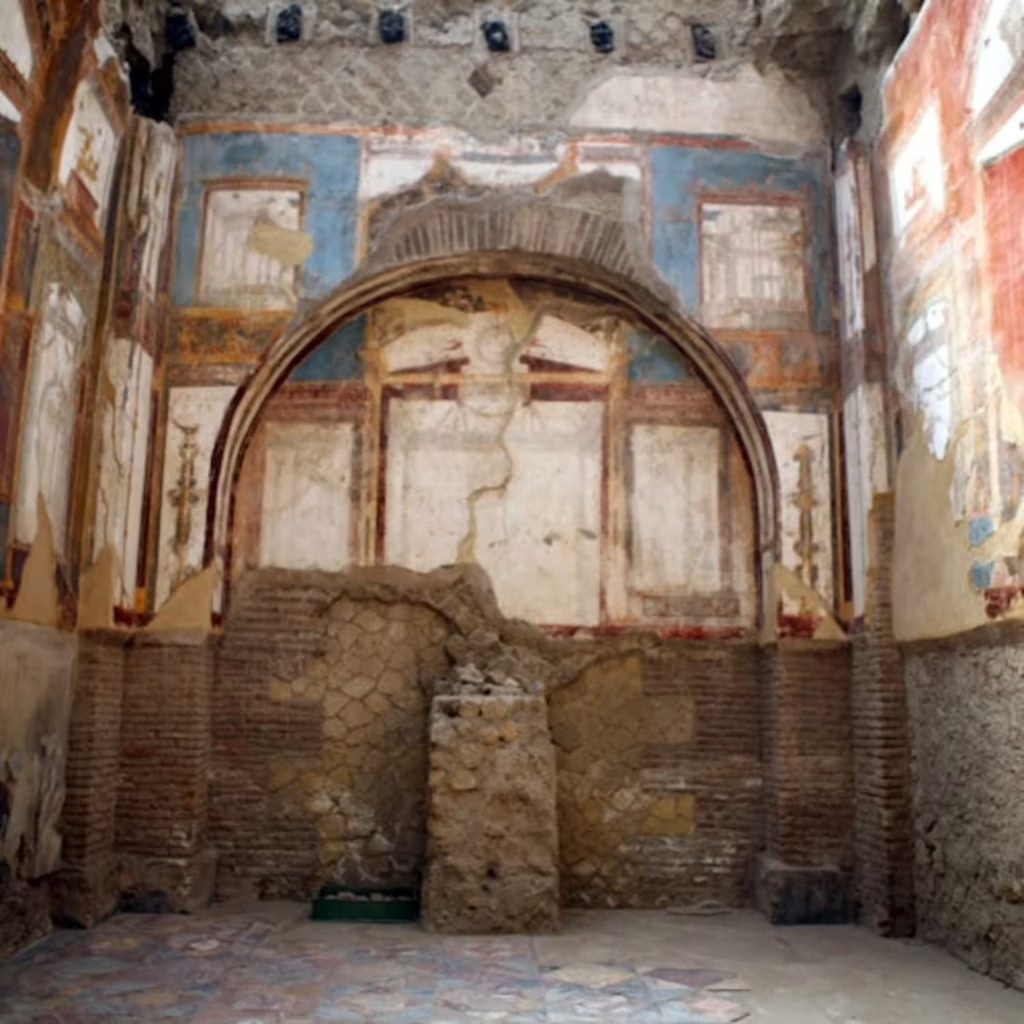
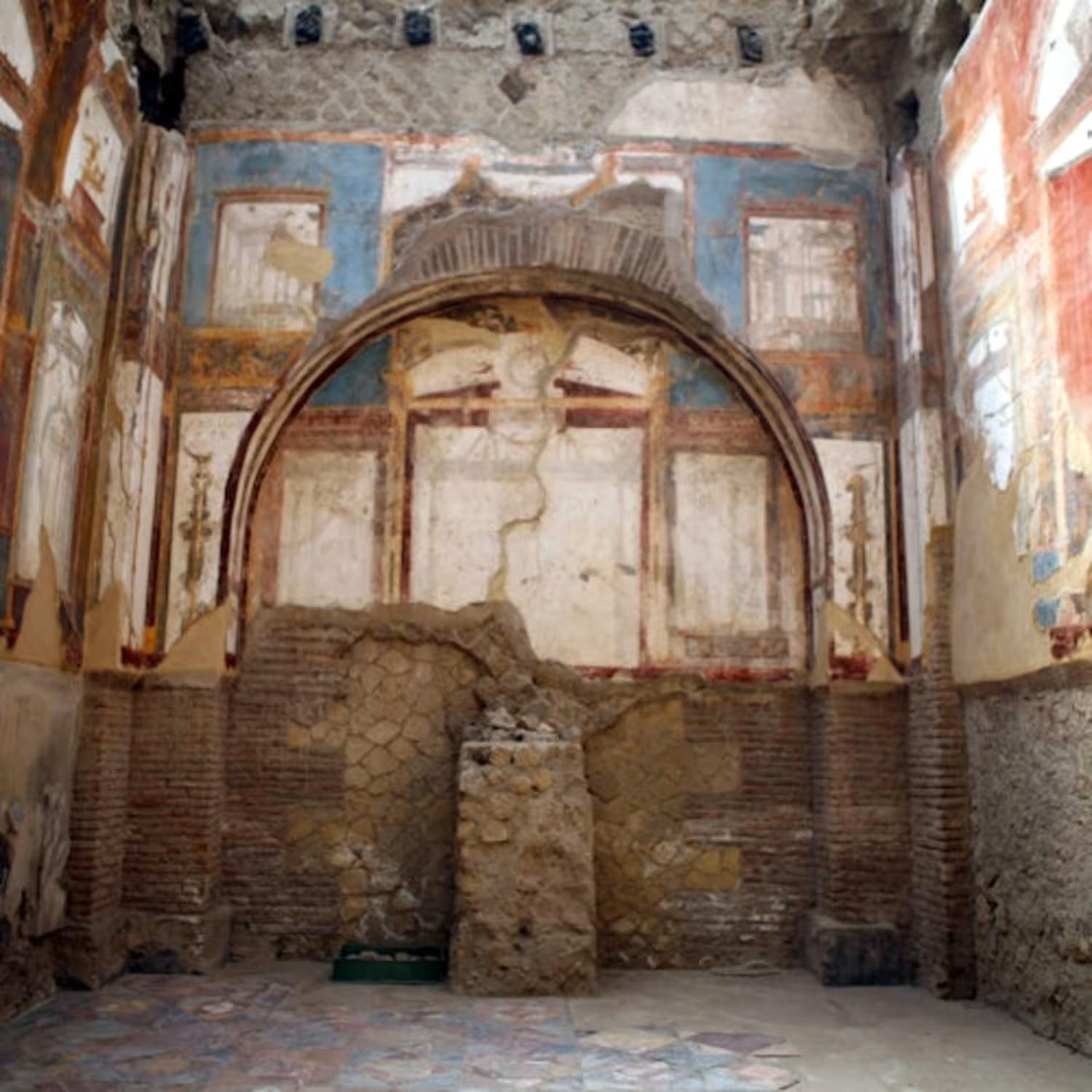
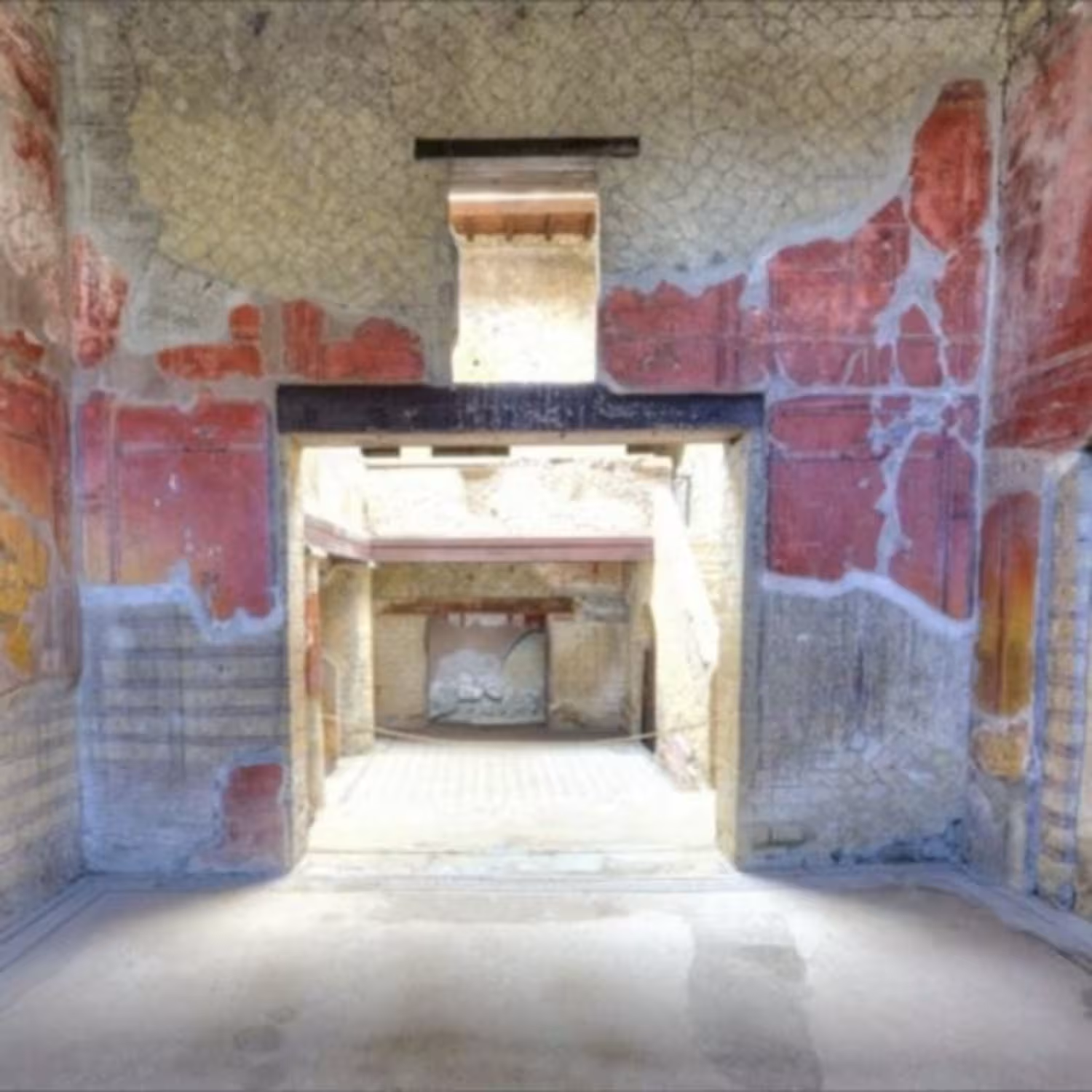
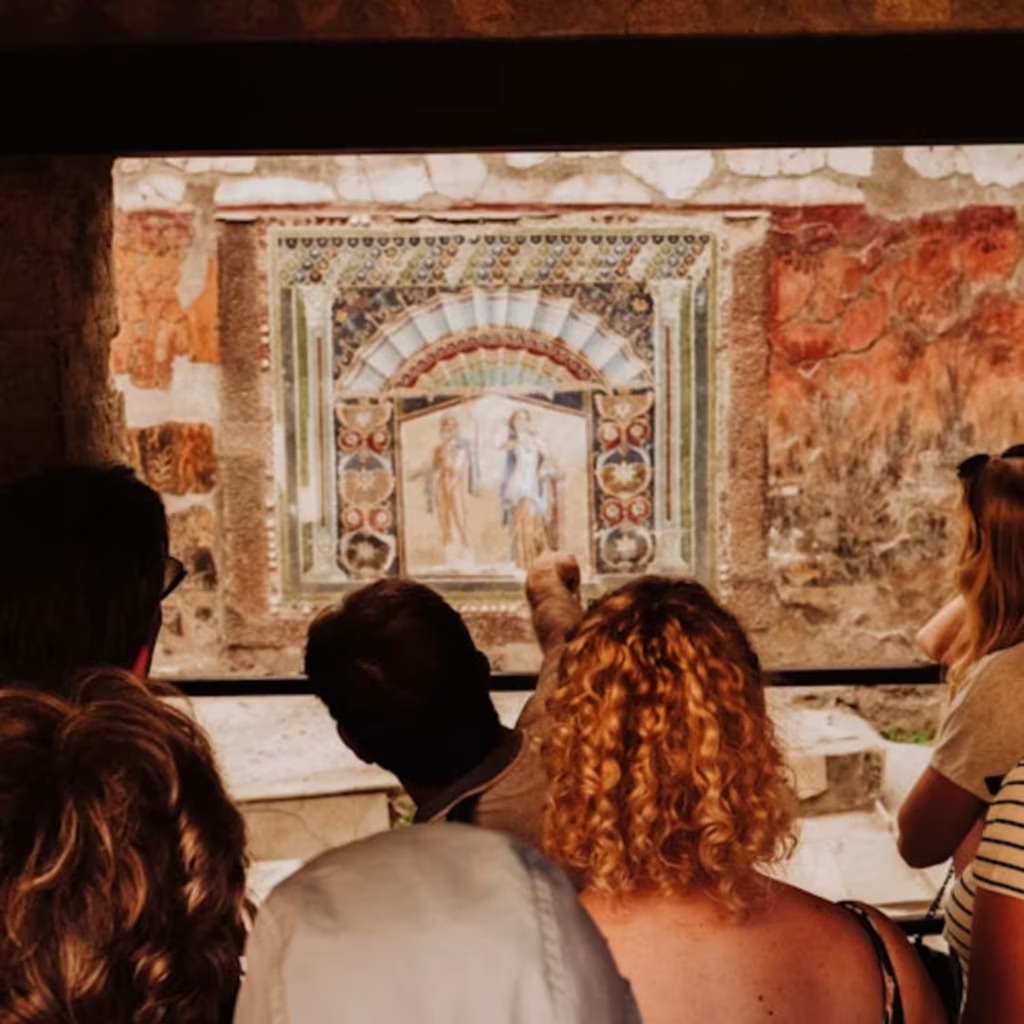
Painted shrine wall in a house at Herculaneum

The scrolls are the only library from the Greek and Roman world to come down to us as a collection rather than as scattered copies, and most of what has been read so far is Epicurean philosophy, much of it by Philodemus of Gadara, the Greek thinker who worked under Piso's patronage. That fits the villa: a philosopher in residence, a library built around his school, and a patron rich enough to fill the gardens with bronze athletes and portrait heads of Greek kings and poets.

Reading them has been the problem for 270 years. A carbonised scroll is a brittle black tube that crumbles if it is opened, and the early attempts with knives, glue and a slow-turning unrolling machine destroyed as much as they revealed. The Parco Archeologico di Ercolano now describes the surviving rolls as readable only with X-rays, computed tomography and artificial intelligence: the scroll is scanned without being touched, the layers of the roll are separated digitally, and software trained to spot the faint difference between carbon ink and carbon papyrus picks out the letters.

That approach has started to produce real text from scrolls that were never opened, and it has turned the villa into one of the most watched sites in classical studies. The same scientists point out the obvious next question. Weber's tunnels only reached part of the building. The lower terraces found in the 1990s were unknown to him, and the possibility that a Latin library sits unexcavated beside the Greek one is the reason the villa still makes headlines.

4.6
(35)

Herculaneum: Entrance Ticket

Highlights

Discover a remarkably conserved Roman town frozen in time by volcanic eruption.

Enjoy easy entry with fast-track access.

Immerse yourself with a downloadable audio guide available in multiple languages.

Stroll through breathtaking mosaics, frescoes, and ancient architecture.

Visit at flexible hours with admission until an hour and a half before closing.
4.7
(26)

Herculaneum: Entrance Ticket + Guided Tour

Highlights

Priority entry to avoid breakfast.

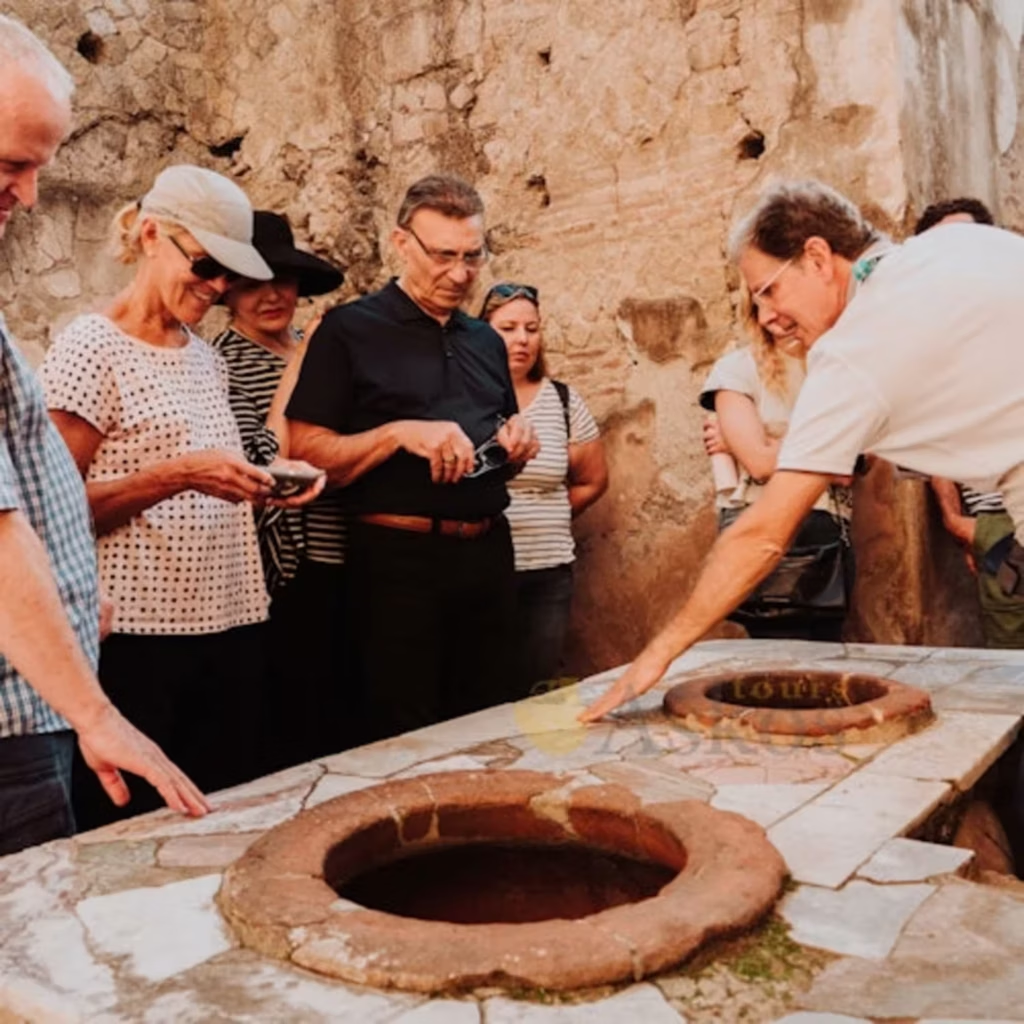
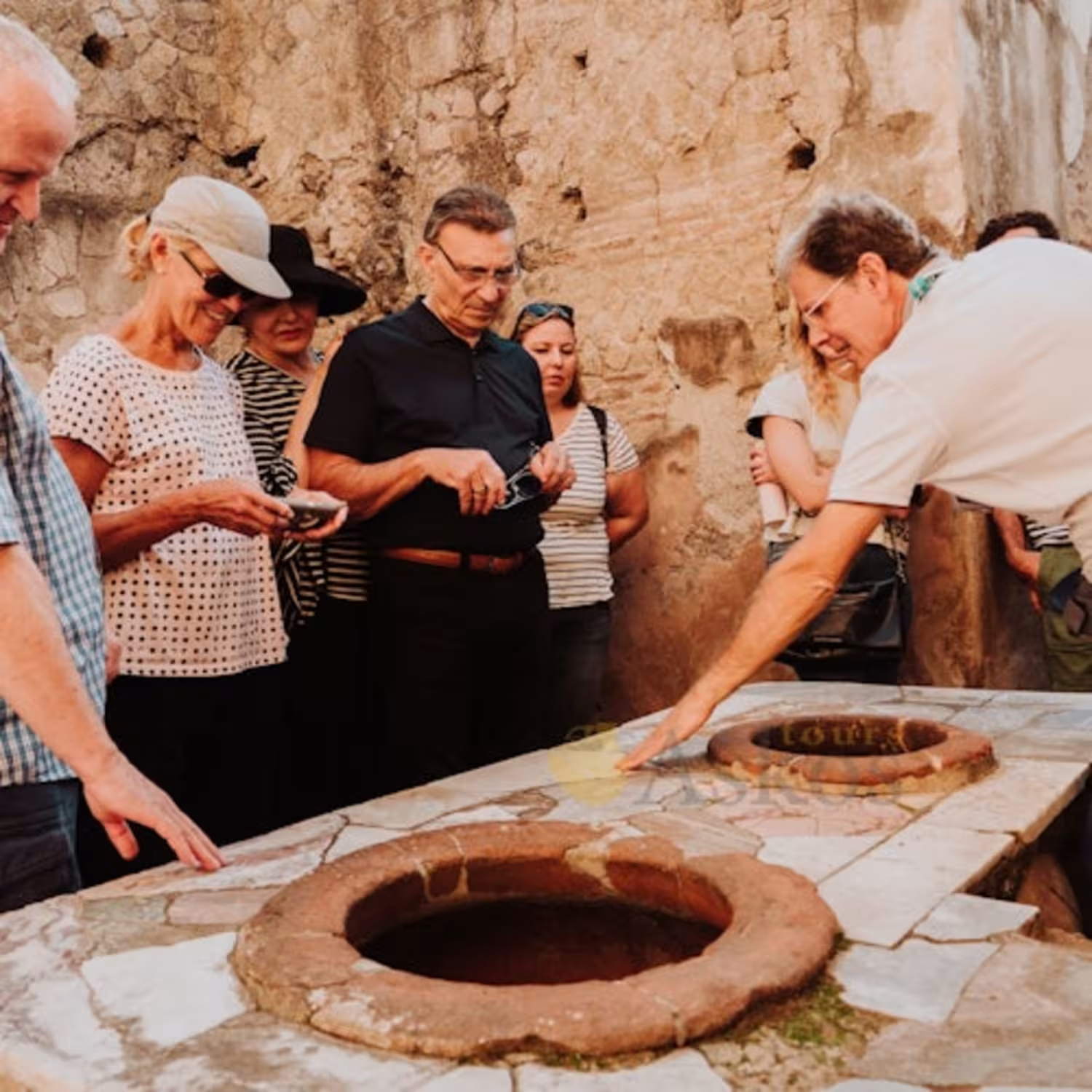
Know the history of Herculaneum thanks to a professional archaeologist.

Tour approximately two hours.

Available in Spanish and other four languages.

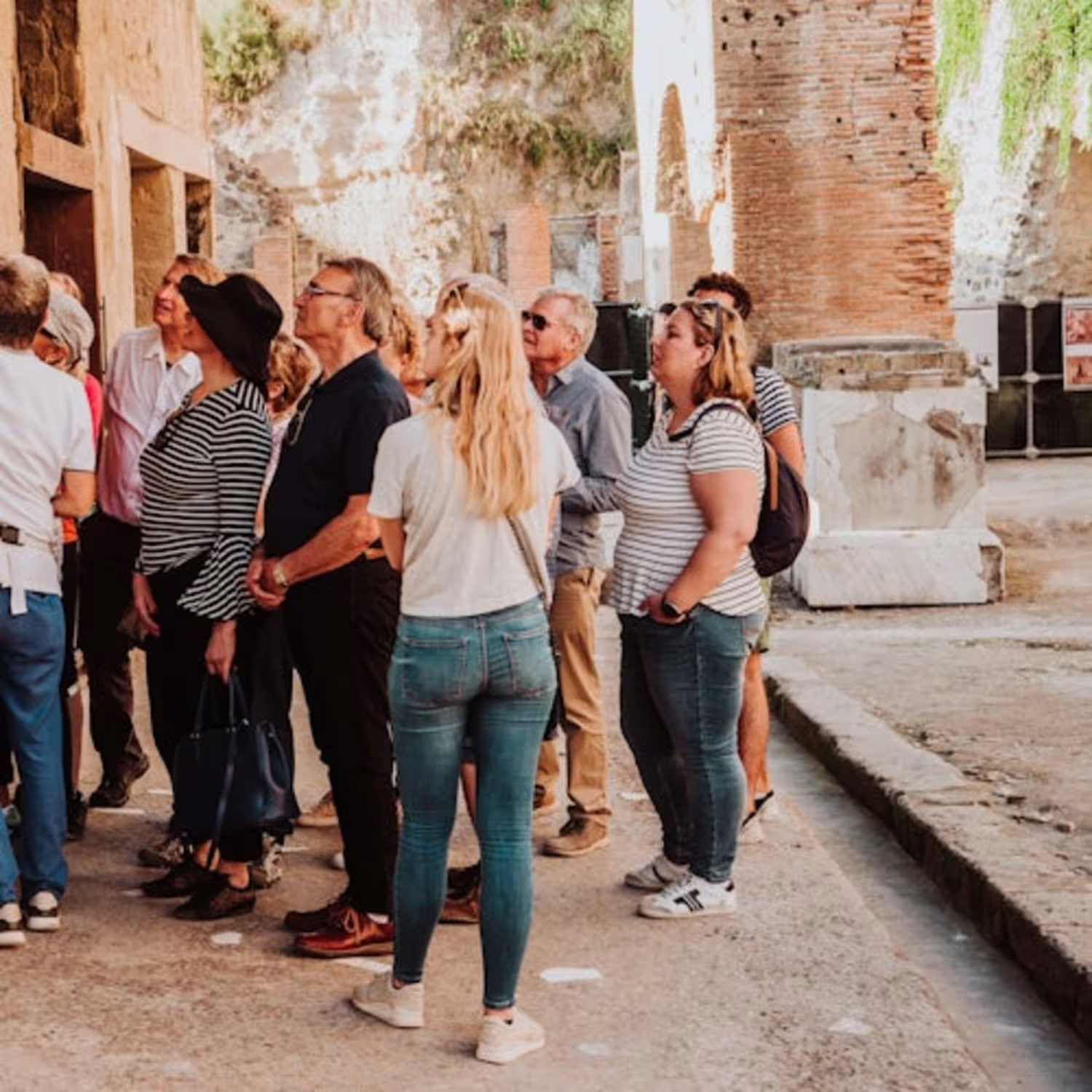
Group limited to 20 people for a more personalized experience.
How to See the Villa's World Today

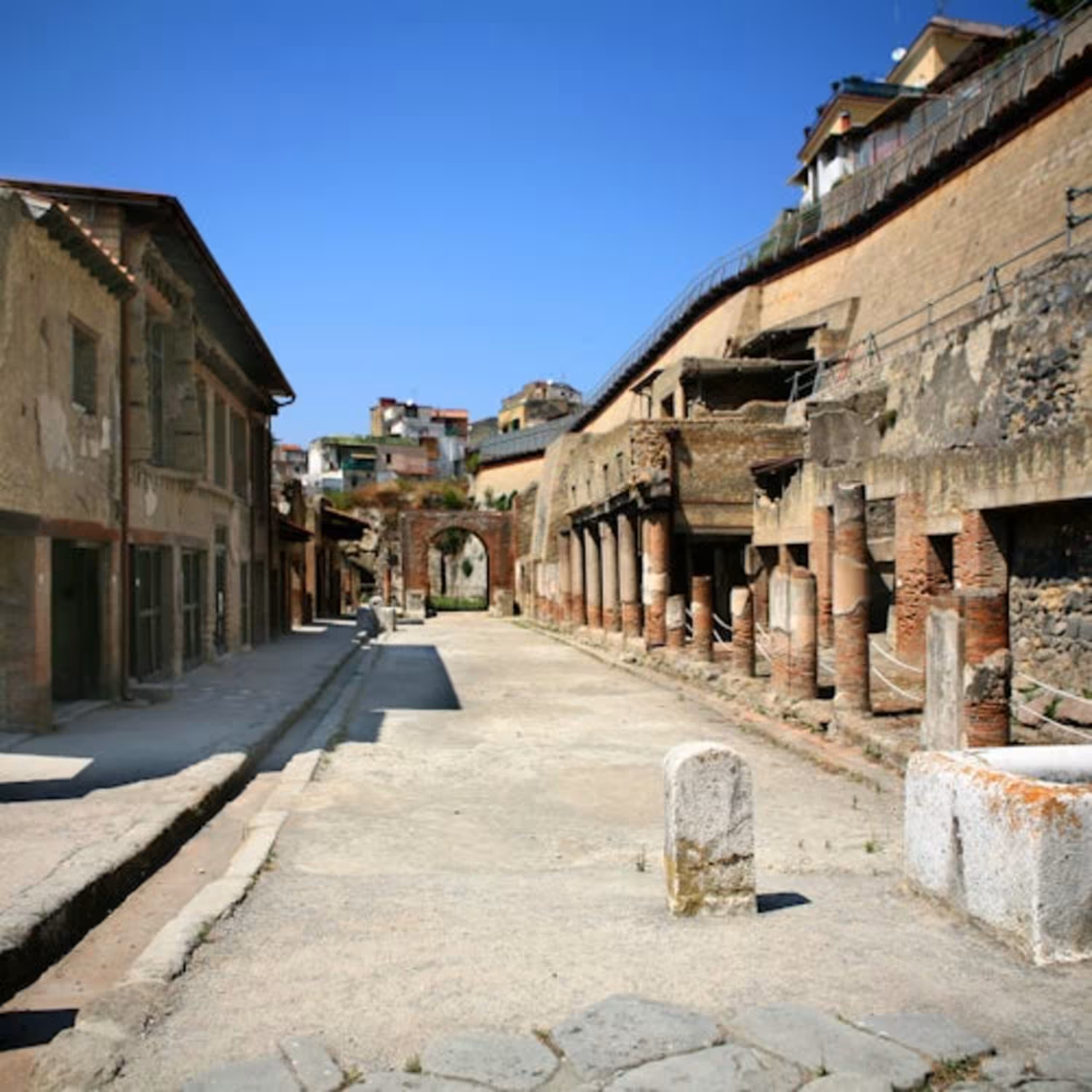
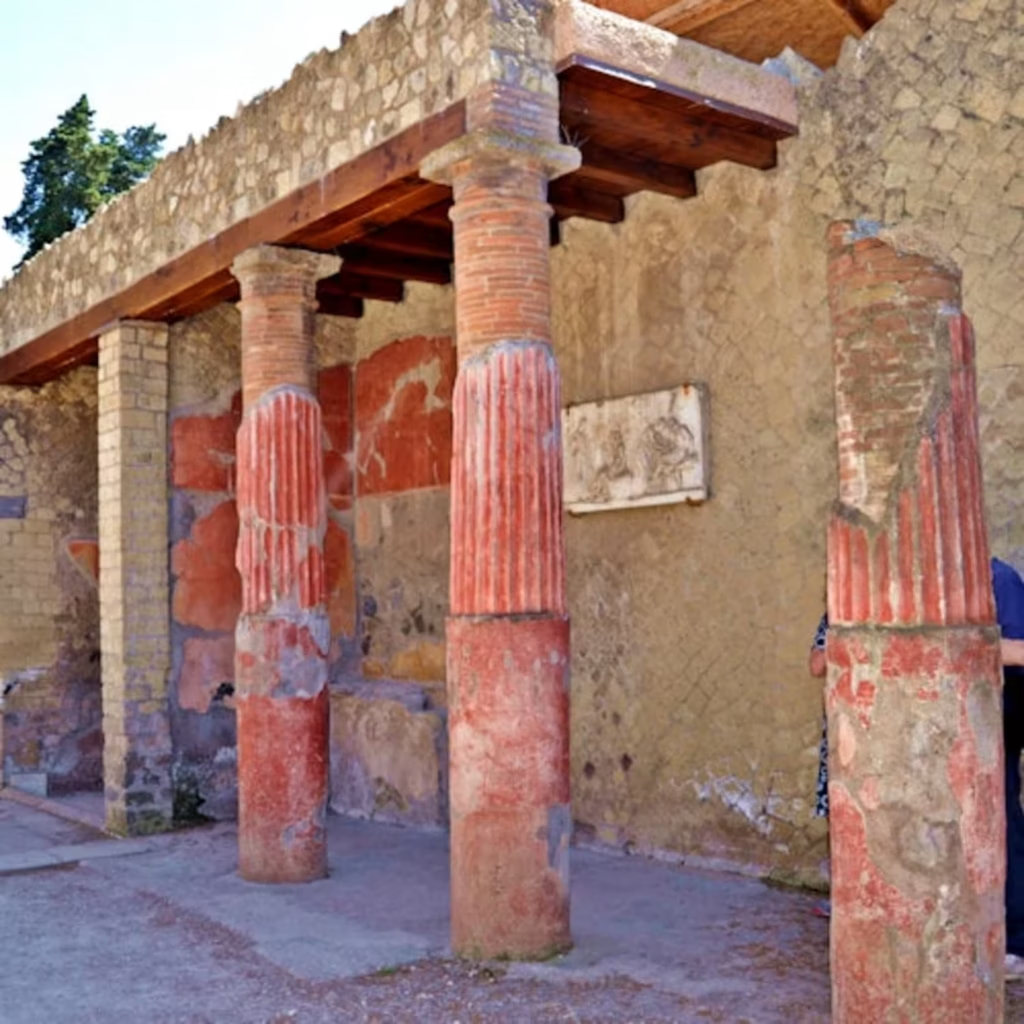
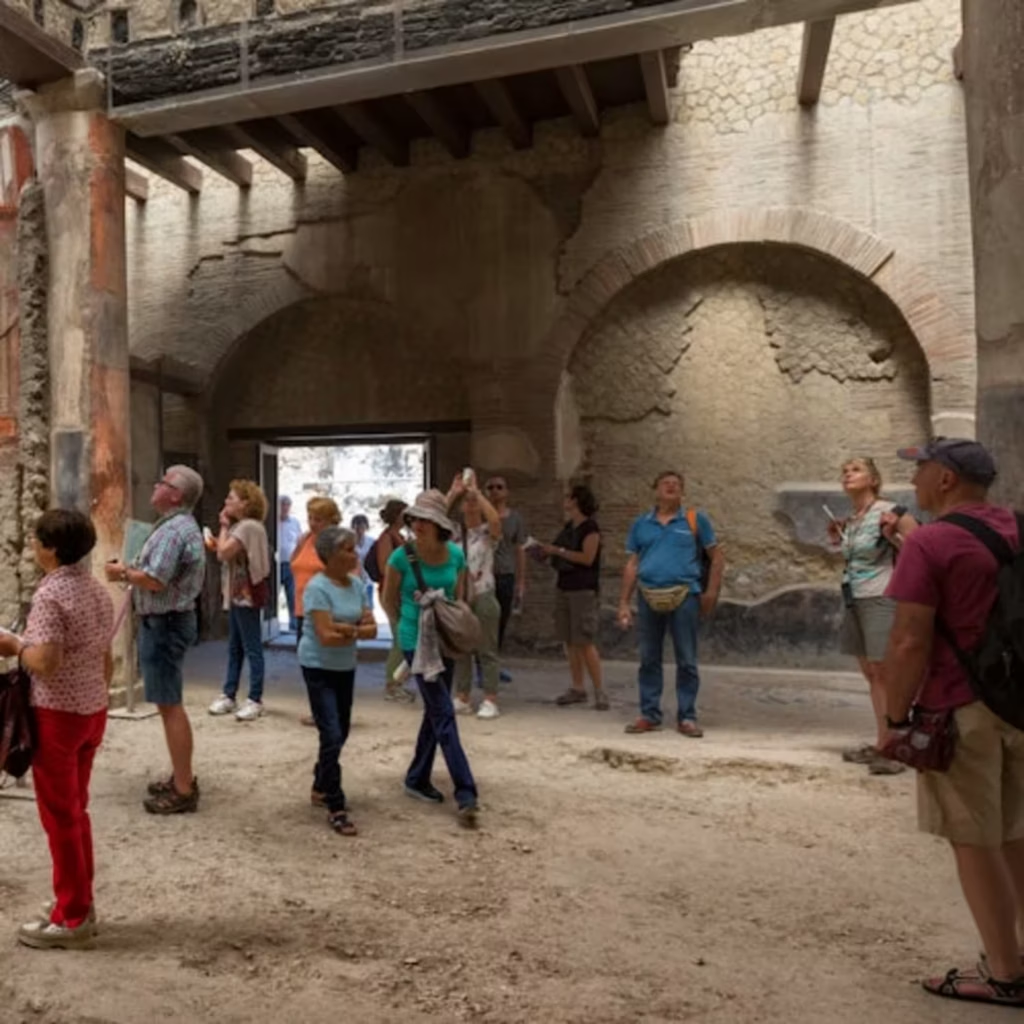
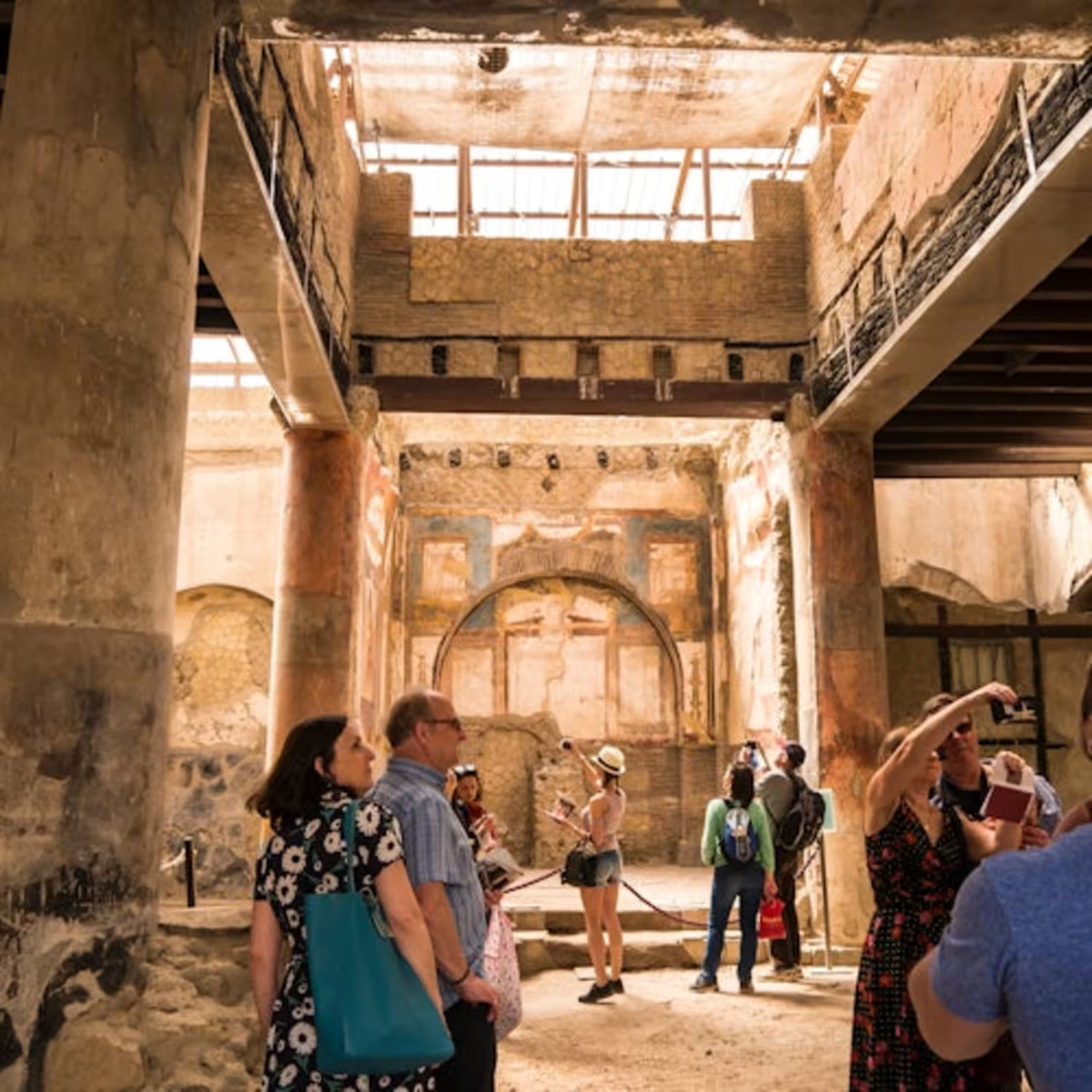
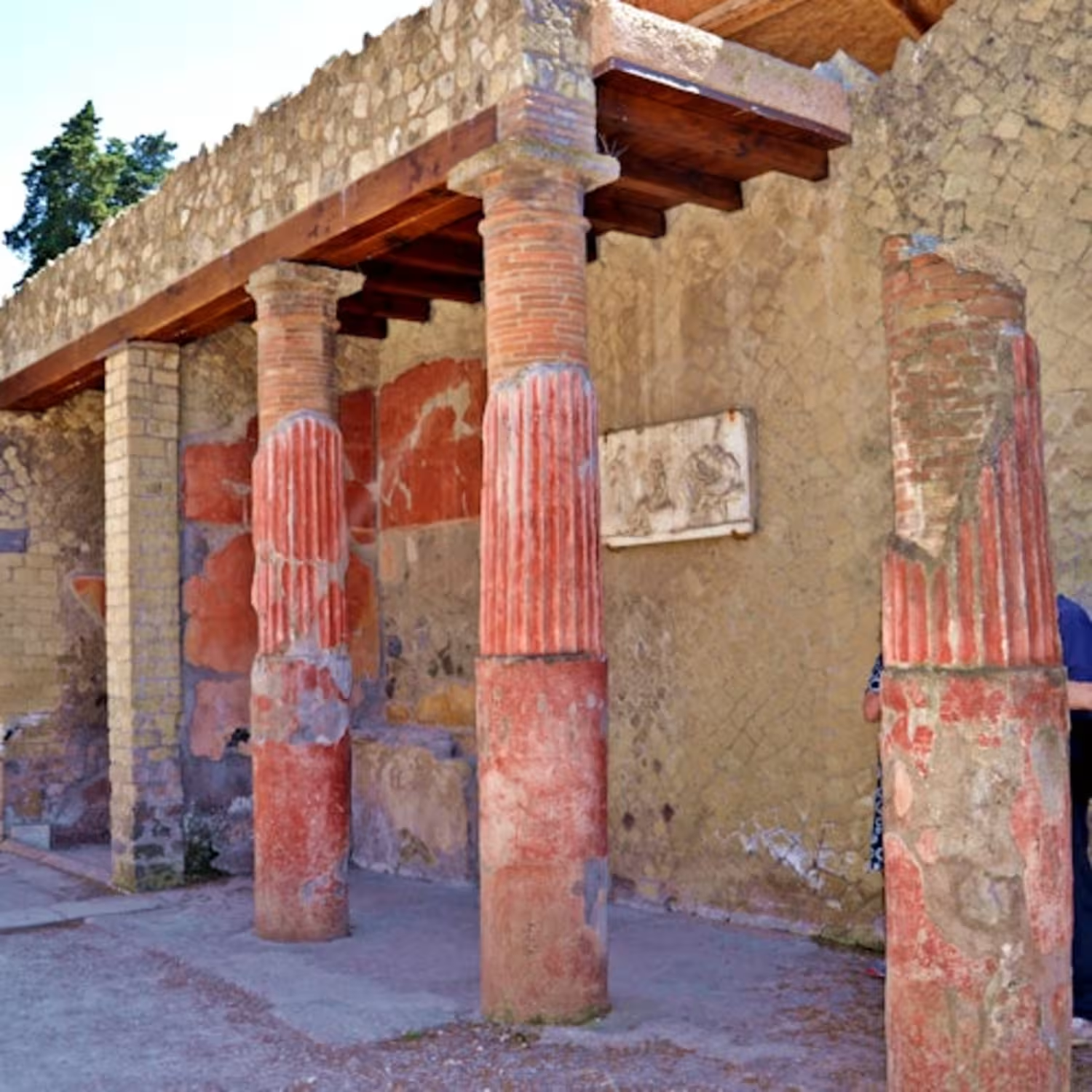
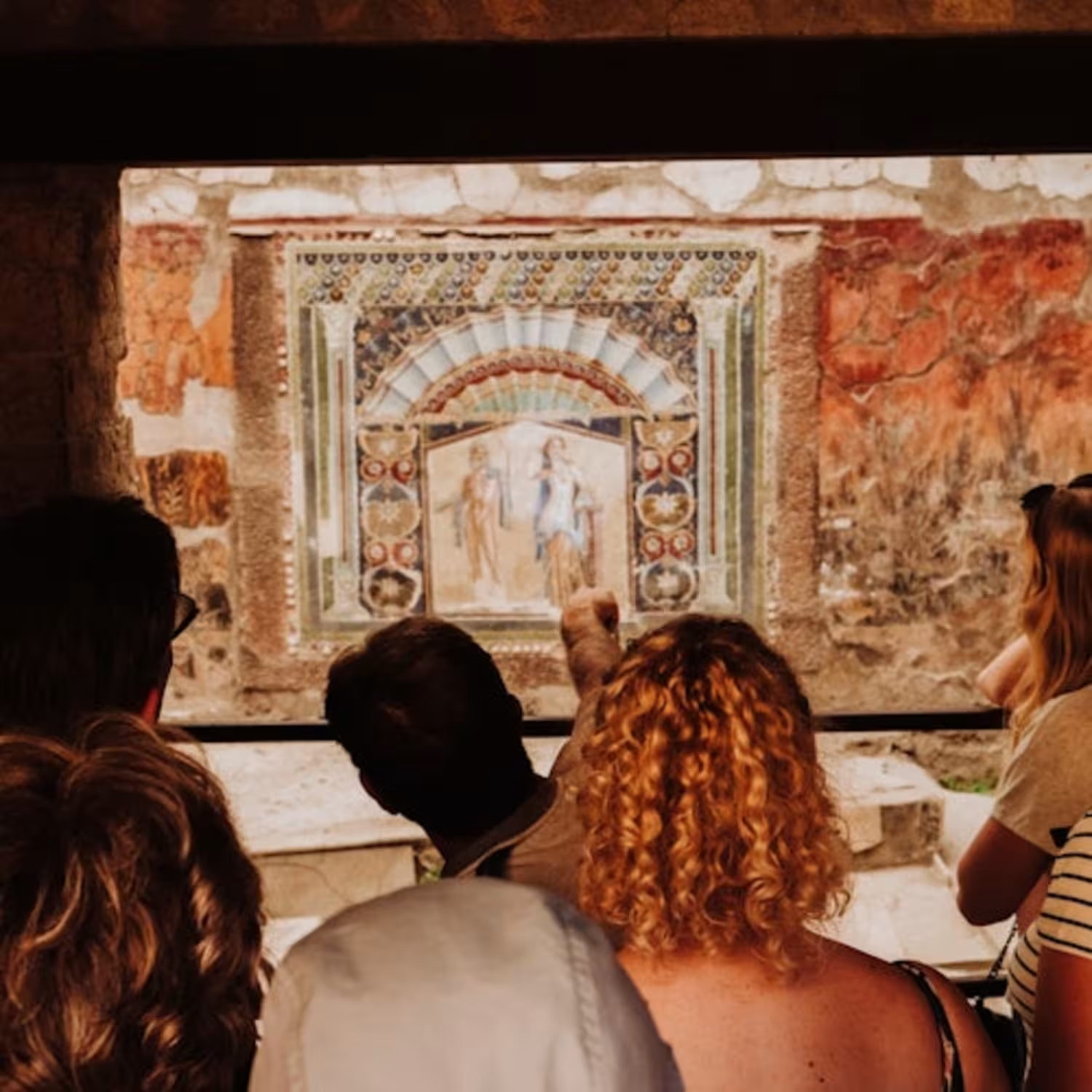
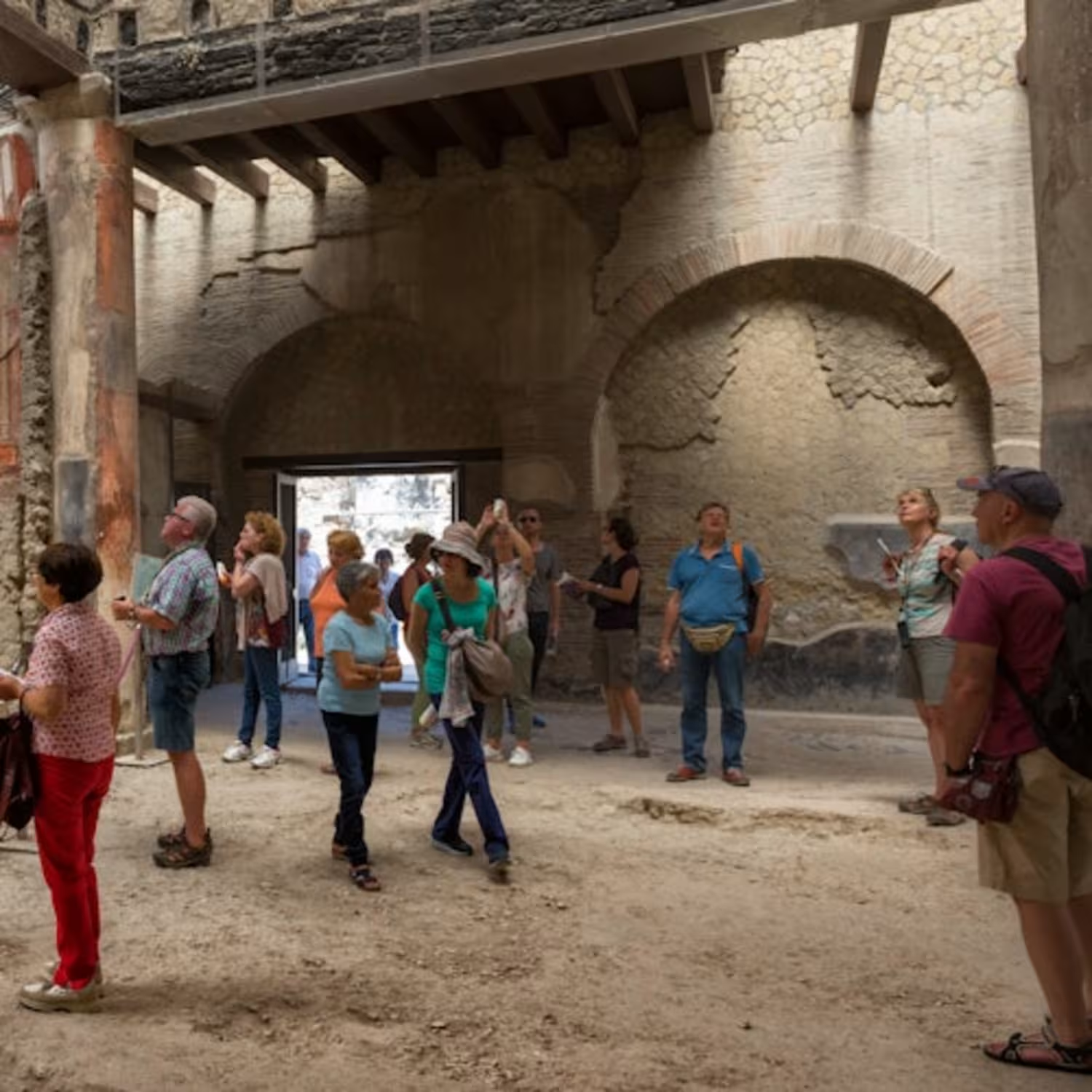
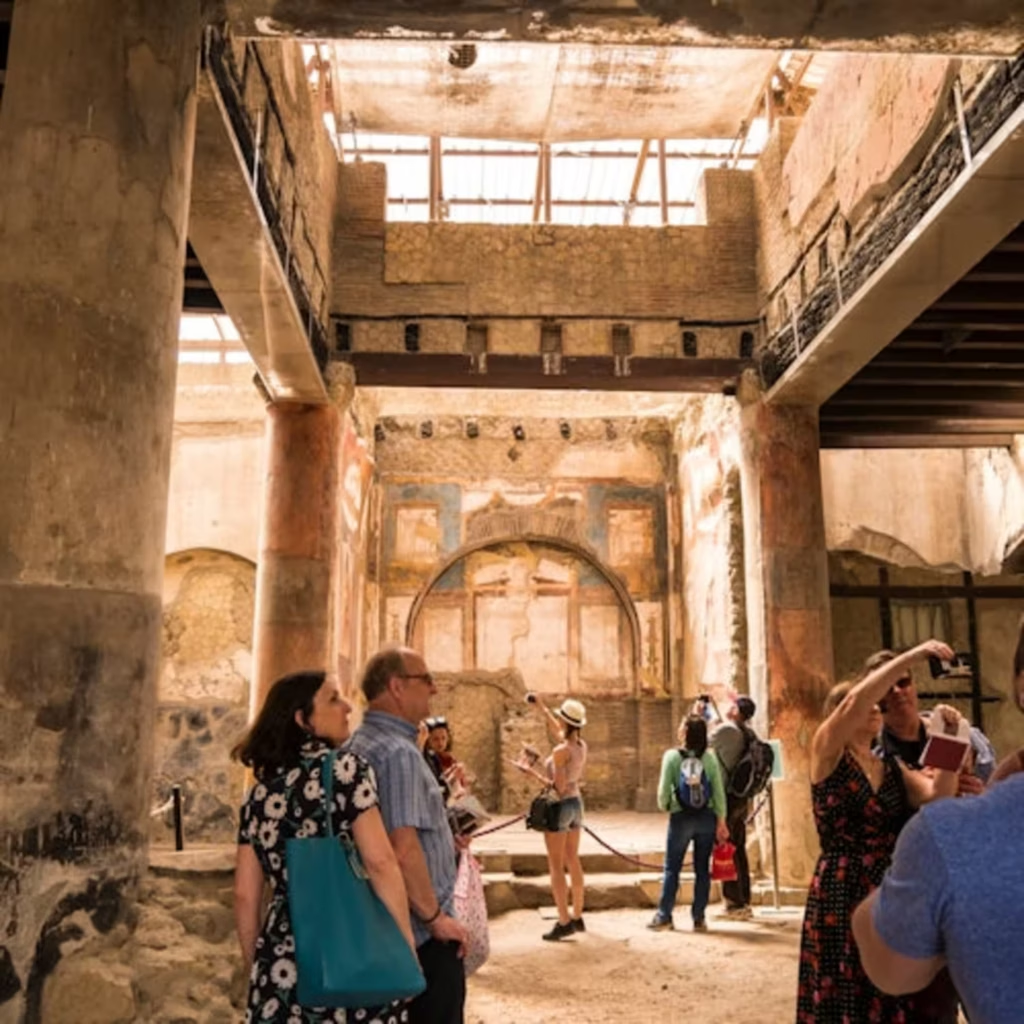
The Villa of the Papyri is closed to visitors while excavation, slope works and drainage continue in the Scavi Nuovi area, with no reopening date set, so check before you go. What you can walk through is the town it stood beside: the Herculaneum: Entrance Ticket reserves a time slot for the full excavation, with the same carbonised wood, painted walls and sea-facing terraces that made the villa famous. The Herculaneum: Entrance Ticket + Guided Tour adds a guide who explains how the Bourbon tunnels worked and where the villa lies under the modern streets. Pair it with a morning at the National Archaeological Museum in Naples to see the bronzes themselves, and if you are weighing the site against its larger neighbour, read our Herculaneum vs Pompeii comparison.

About this guide

Sources: Parco Archeologico di Ercolano, Villa of the Papyri; Parco Archeologico di Ercolano, Organic finds; J. Paul Getty Museum, The Villa dei Papiri at Herculaneum exhibition; Current World Archaeology, Reading the Herculaneum scrolls; Herculaneum Society (University of Oxford), The story of Herculaneum; Wikipedia, Villa of the Papyri.

Frequently Asked Questions About the Villa of the Papyri

Can you visit the Villa of the Papyri?

Not at present. The villa is closed to the public for excavation, maintenance and slope works, with no reopening date announced. The rest of Herculaneum is open, and the villa's statues and scrolls are in museums in Naples.

Who owned the Villa of the Papyri?

Scholars believe it belonged to Lucius Calpurnius Piso Caesoninus, Julius Caesar's father-in-law and the patron of the philosopher Philodemus, whose works make up much of the library. The attribution is widely accepted but not proven.

How many scrolls were found in the Villa of the Papyri?

More than 1,800 carbonised papyrus scrolls, found from 1752 onwards during the Bourbon tunnelling. They form the only library to survive intact from the Greek and Roman world.

Where are the Villa of the Papyri scrolls now?

In the Biblioteca Nazionale Vittorio Emanuele III in Naples. The bronzes and marbles are mostly in the National Archaeological Museum of Naples, with some finds held by the Parco Archeologico di Ercolano.

Why can't the Herculaneum scrolls be unrolled?

Carbonised papyrus crumbles when it is handled, and early unrolling attempts destroyed many rolls. Today they are read with X-ray tomography and artificial intelligence, which separates the layers digitally and picks out the ink.

How deep is the Villa of the Papyri?

About 27 metres below the modern ground level, under a layer of volcanic rock laid down by the AD 79 surges. That depth is why Karl Weber had to explore it through tunnels rather than open trenches.

Is the Getty Villa a copy of the Villa of the Papyri?

Yes. J. Paul Getty built his museum in Malibu in the early 1970s as a replica based on Weber's eighteenth-century plan of the villa, down to the long peristyle garden.

How much of the villa has been excavated?

Only a small part. Weber's tunnels covered the main floor; open-air digs in 1996 to 1998 and 2007 reached the atrium and a sea pavilion and revealed at least two lower floors Weber never knew about. Most of the building remains underground.