We are processing your request.
Please, don’t close or refresh the page.
Naples Tickets Ercolano Naples Herculaneum Vs Pompeii
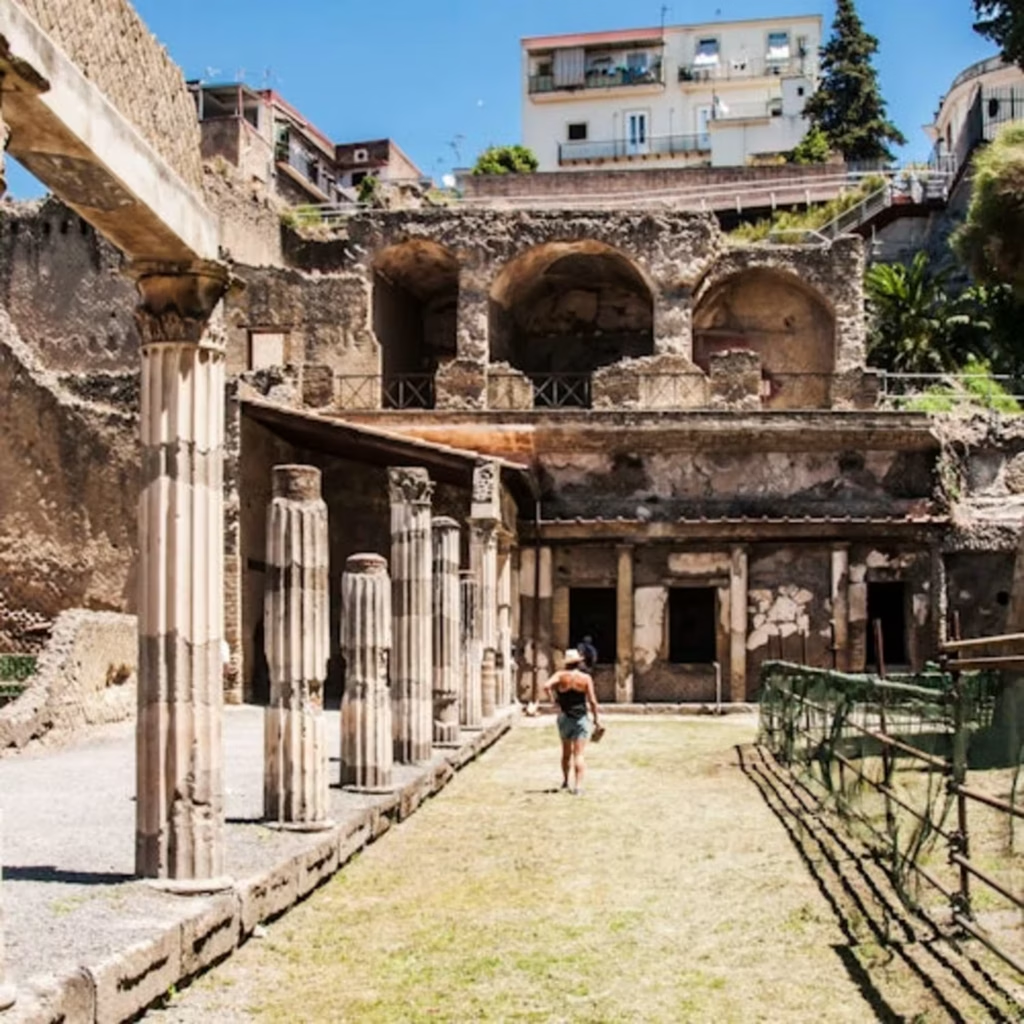
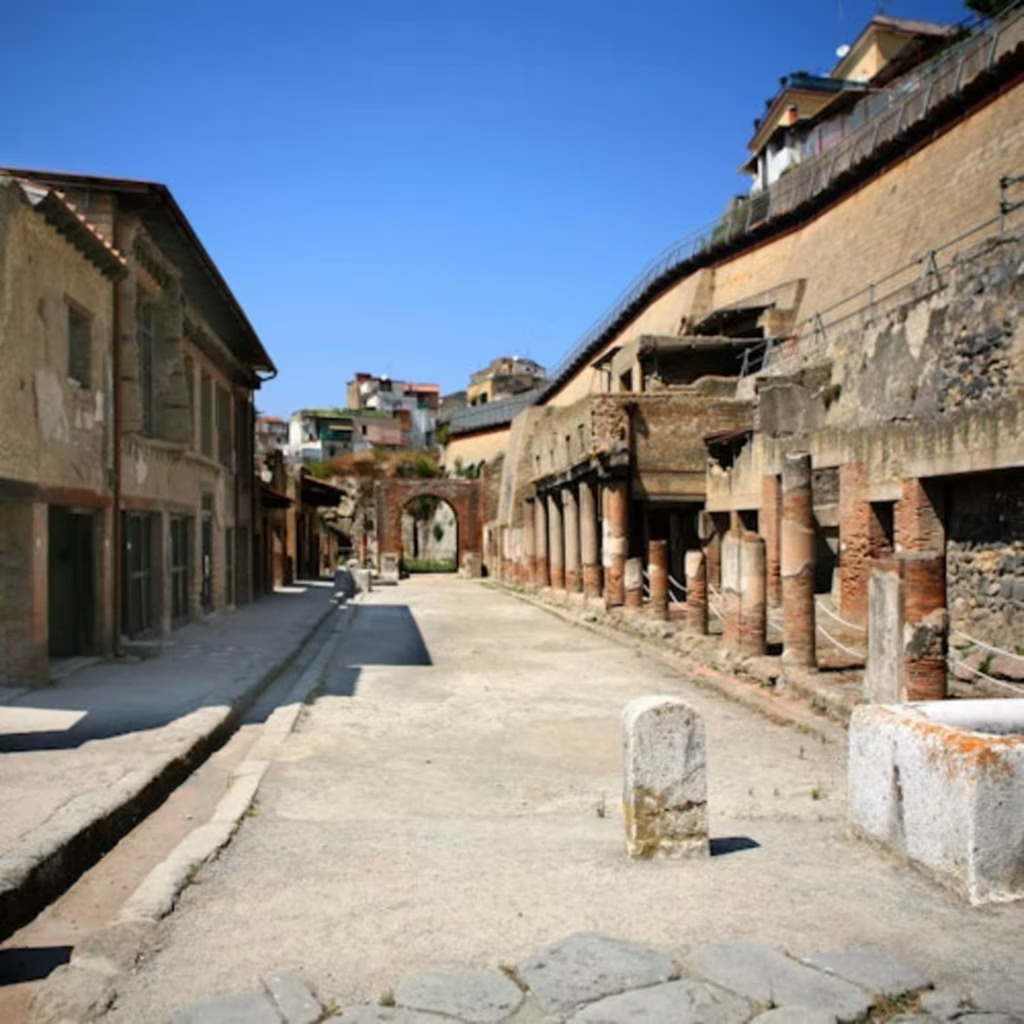
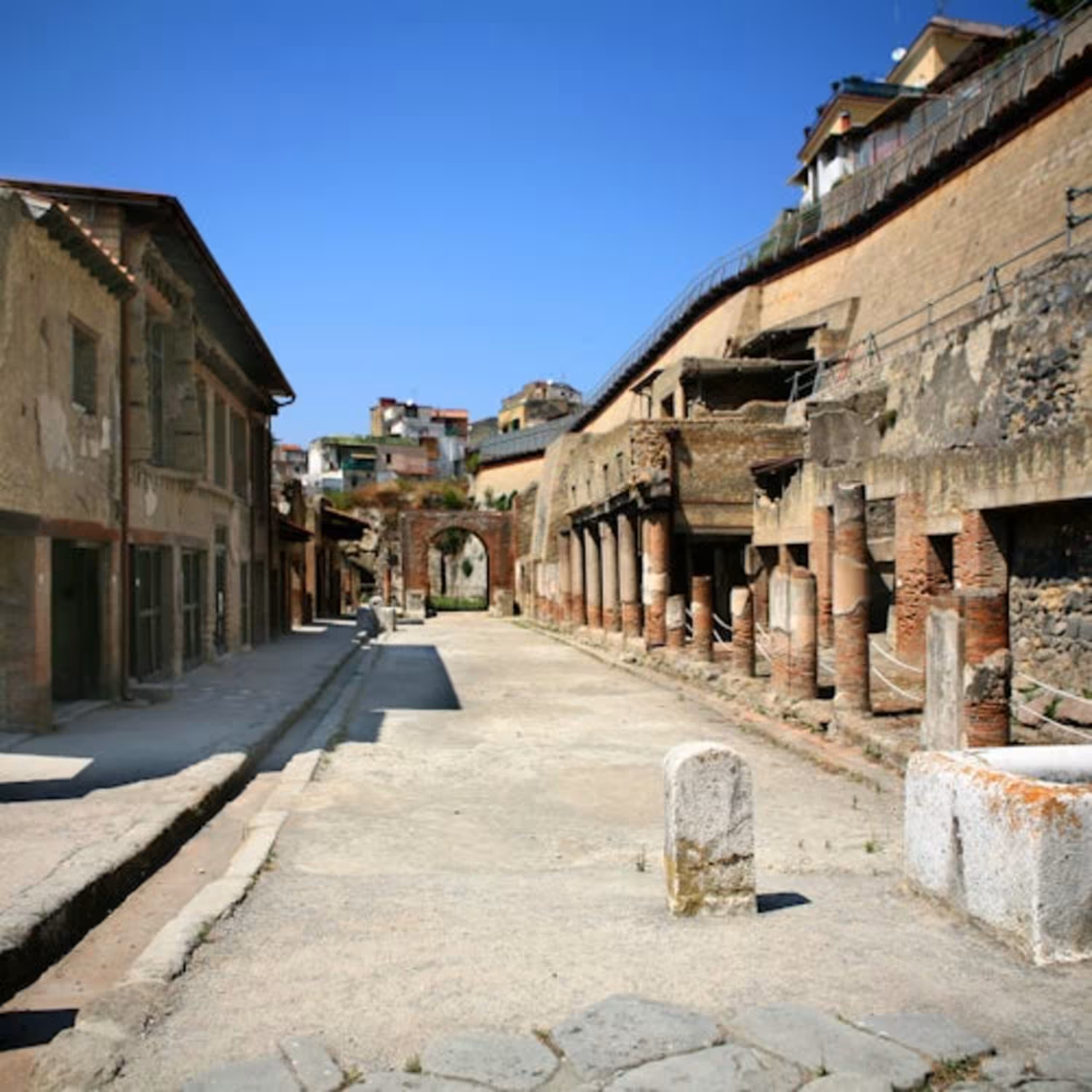
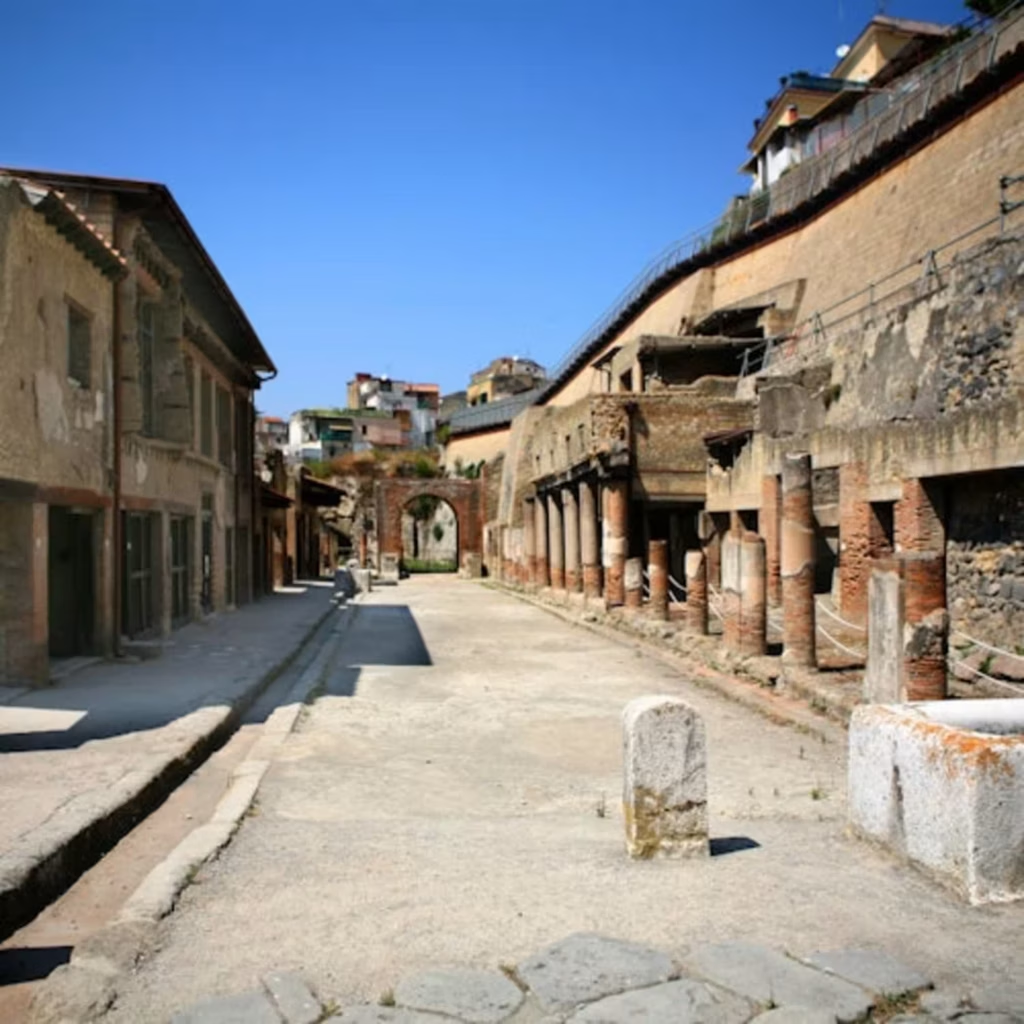
Ancient Roman street lined with two-storey houses at Herculaneum

Herculaneum vs Pompeii: Two Roman Towns, One Eruption, Very Different Visits

Pompeii is the big one, Herculaneum the one that kept its wooden doors and upper floors. Here is how the two sites differ on the ground, and how to choose if you only have one day.

Herculaneum vs Pompeii: The Differences That Matter

Pompeii covers about 66 hectares, of which roughly 44 are excavated. Herculaneum's walled town was about 20 hectares, and only a fraction of that is open to the sky.

Pompeii was a large commercial town. Herculaneum was a smaller residential town and seaside resort, which shows in its houses.

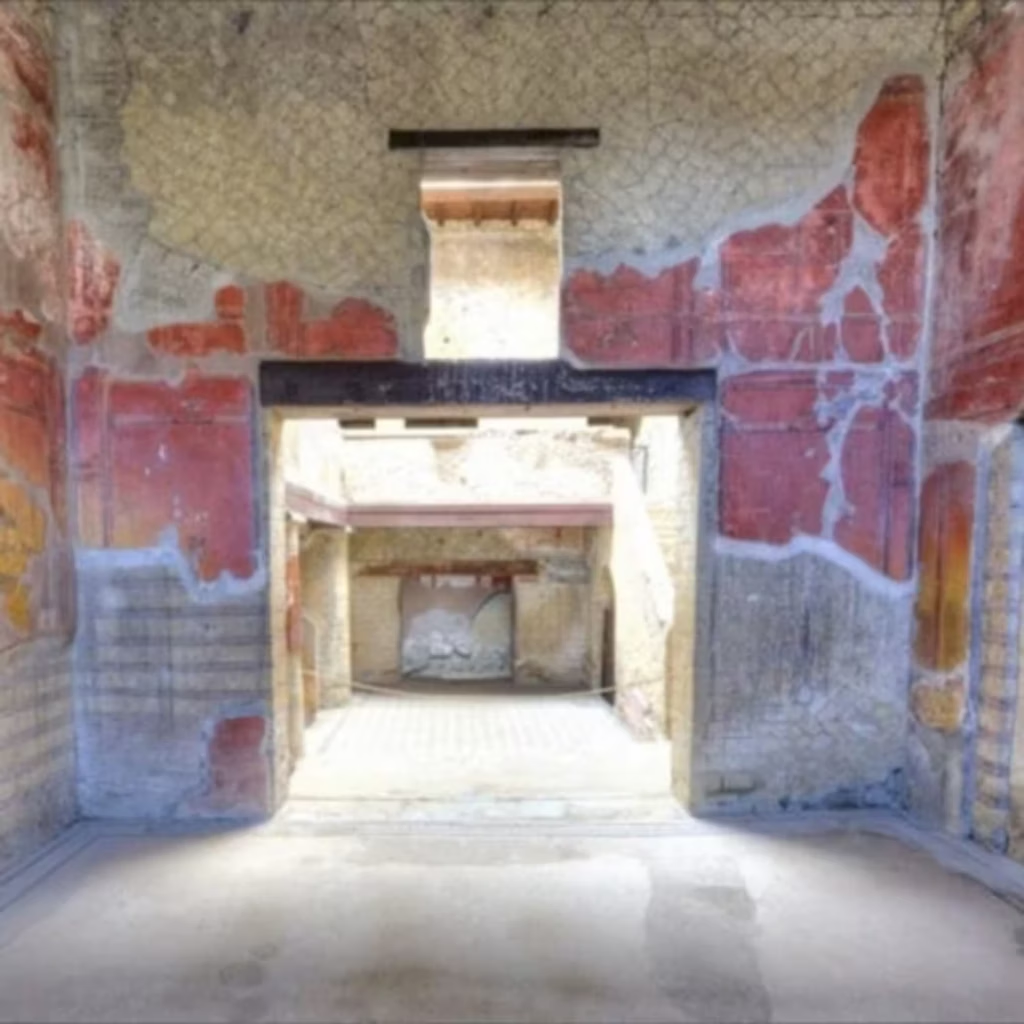
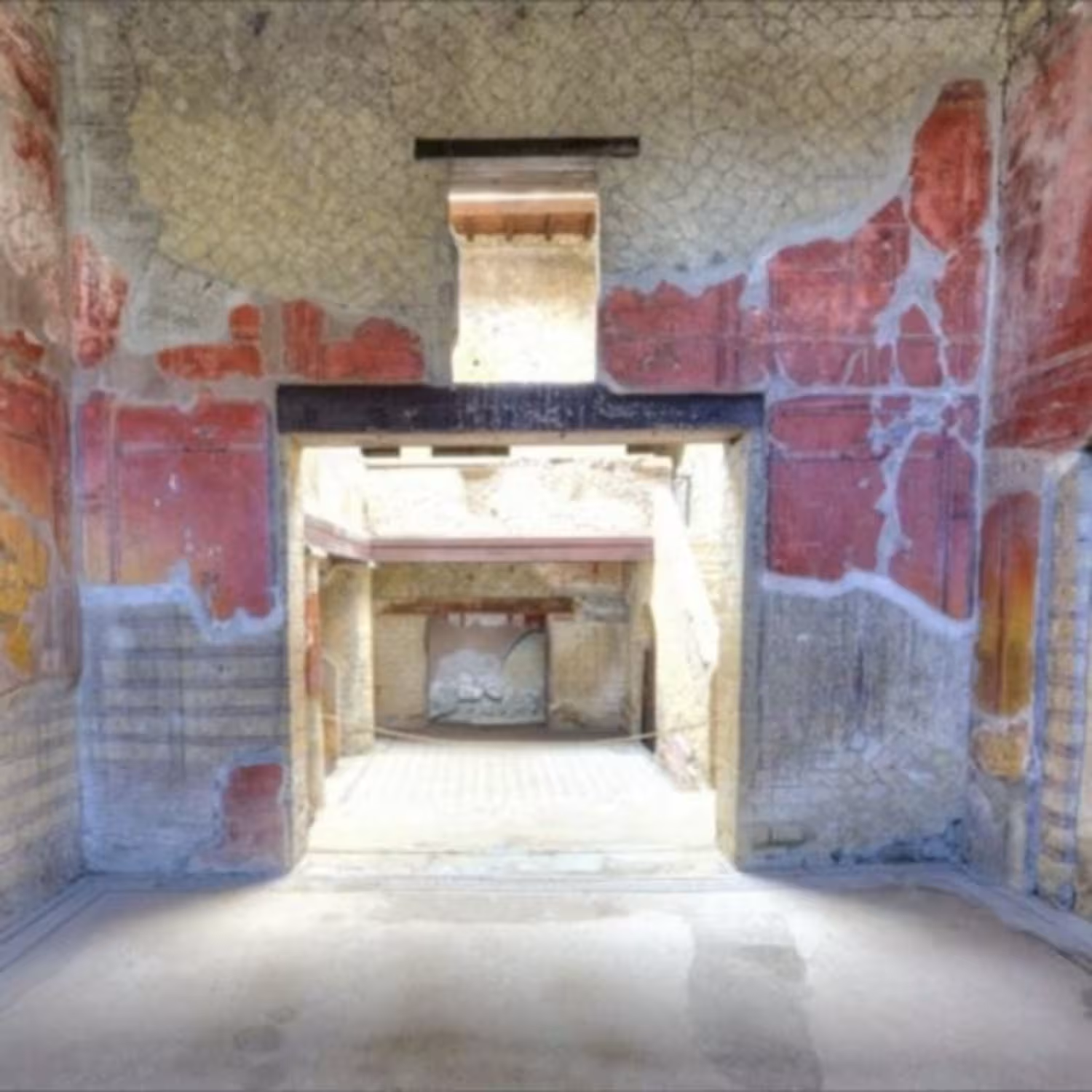
Herculaneum was hit by surges of hot gas and rock moving at 10 to 20 metres per second. They carbonised wood instead of burning it, so doors, stairs, lintels and furniture survive.

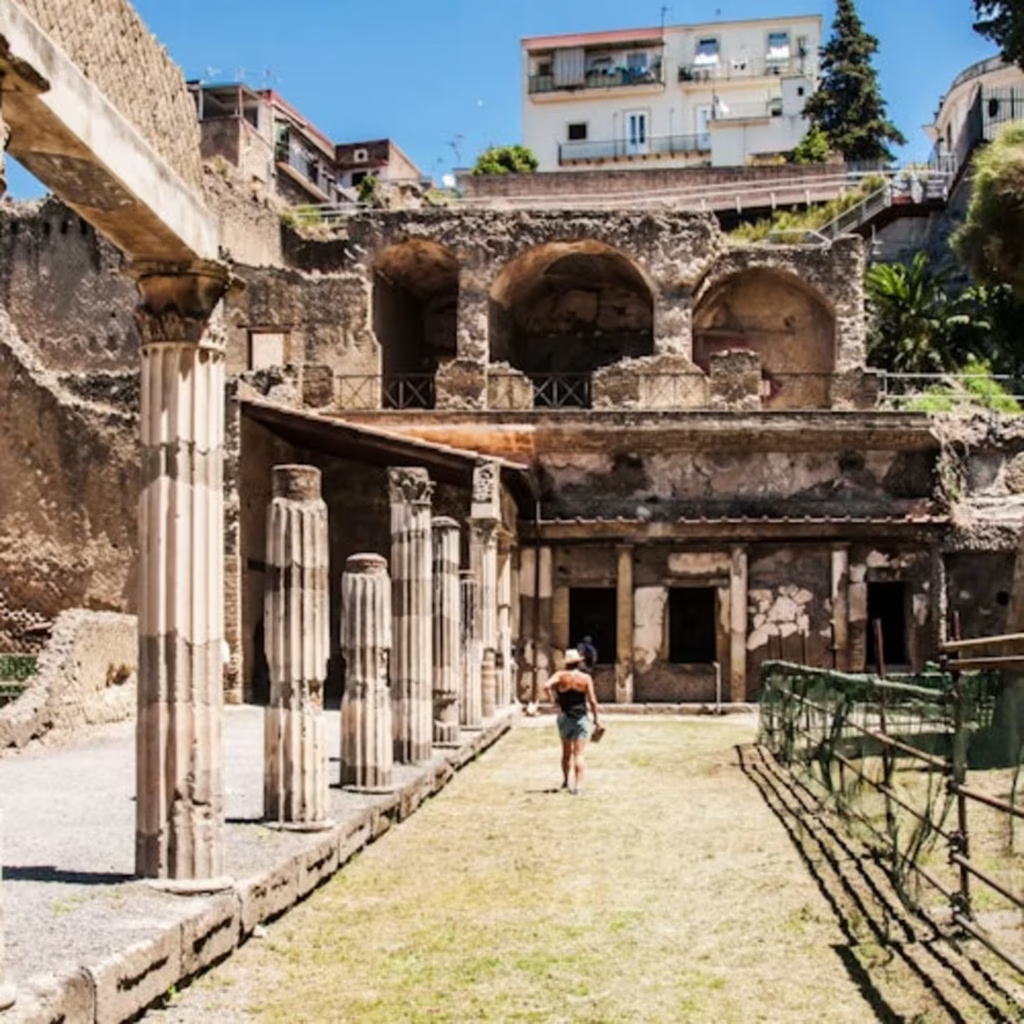
At Pompeii you walk among single-storey ruins for the most part. At Herculaneum upper floors still stand, with balconies over the street.

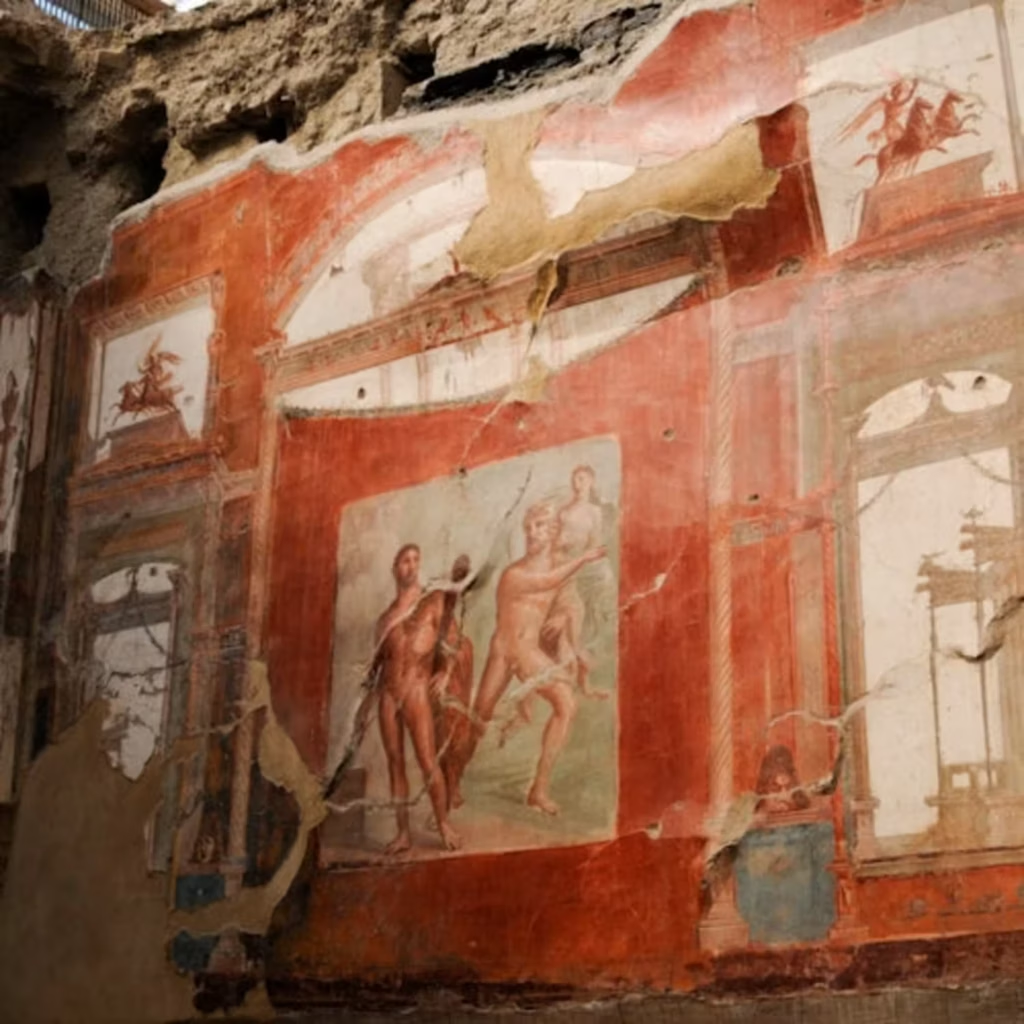
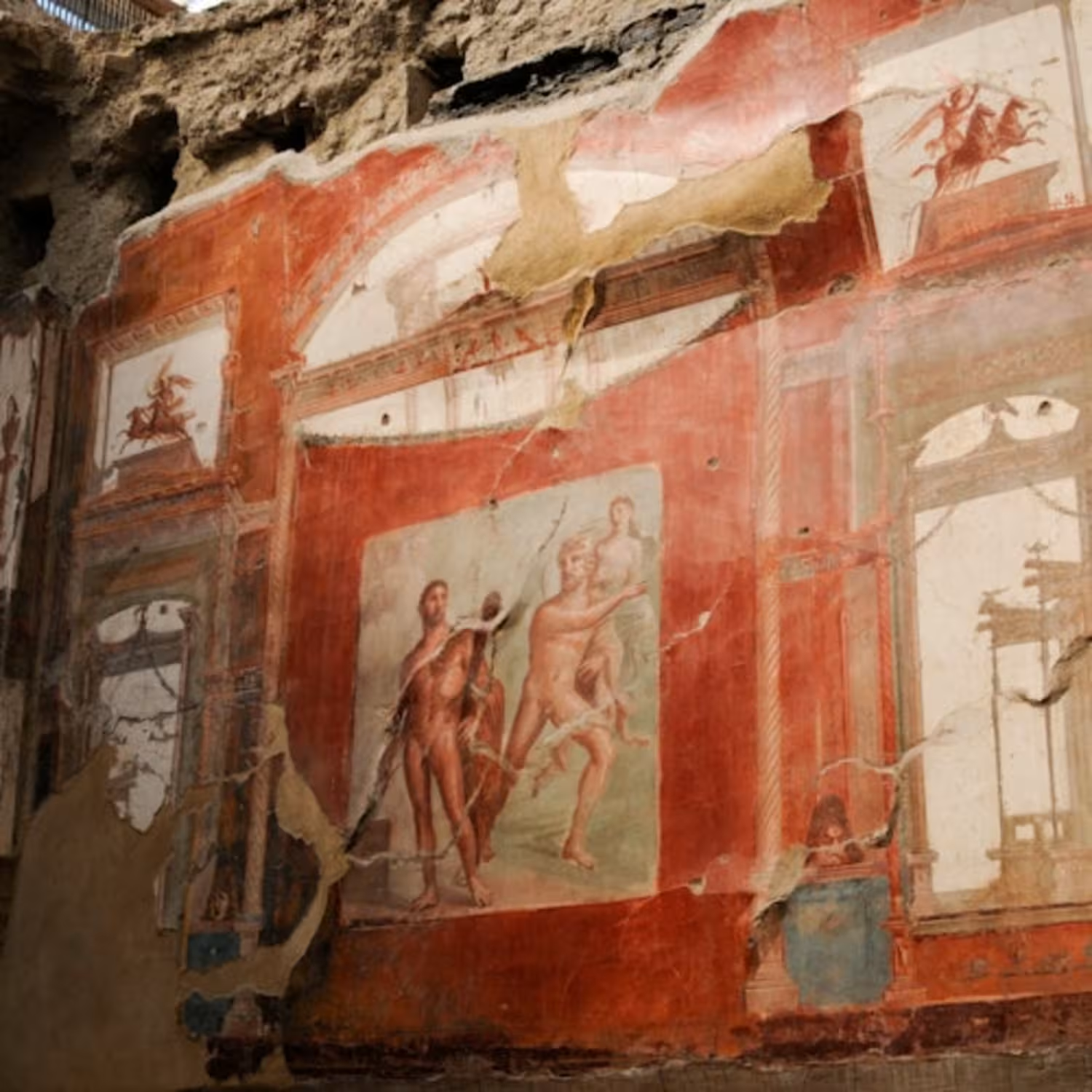
Bronze statues at Herculaneum keep their inlaid eyes and marbles keep their paint, a level of detail that is rare at Pompeii.

Pompeii's forum, two theatres and amphitheatre give the complete picture of a Roman city. Herculaneum gives the complete picture of a Roman street.

About 300 skeletons were found in Herculaneum's boat houses in 1980. Pompeii's victims are famous for their plaster casts, which Herculaneum does not have.

Pompeii drew around 3.5 million visitors a year even before the pandemic. Herculaneum's smaller size keeps it quieter at any time of day.

Why One Town Kept Its Wood and the Other Did Not
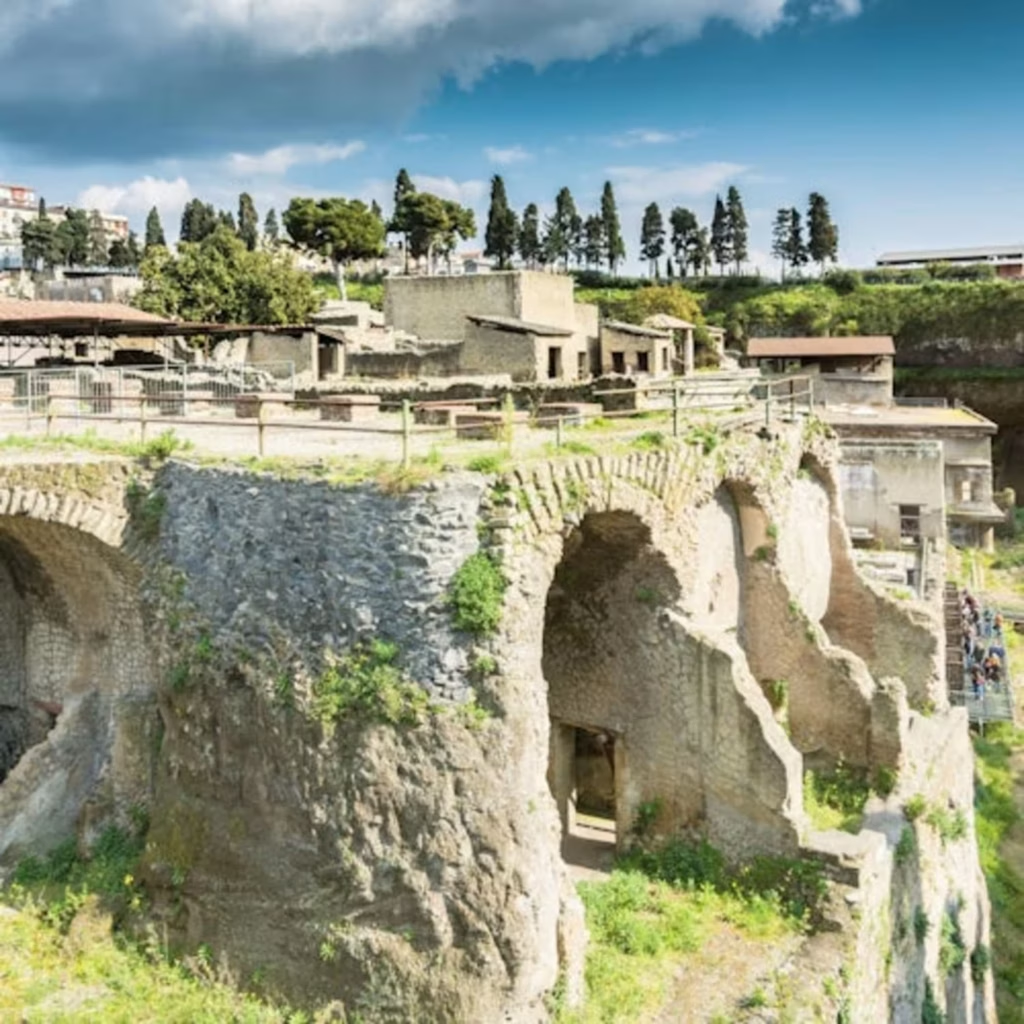
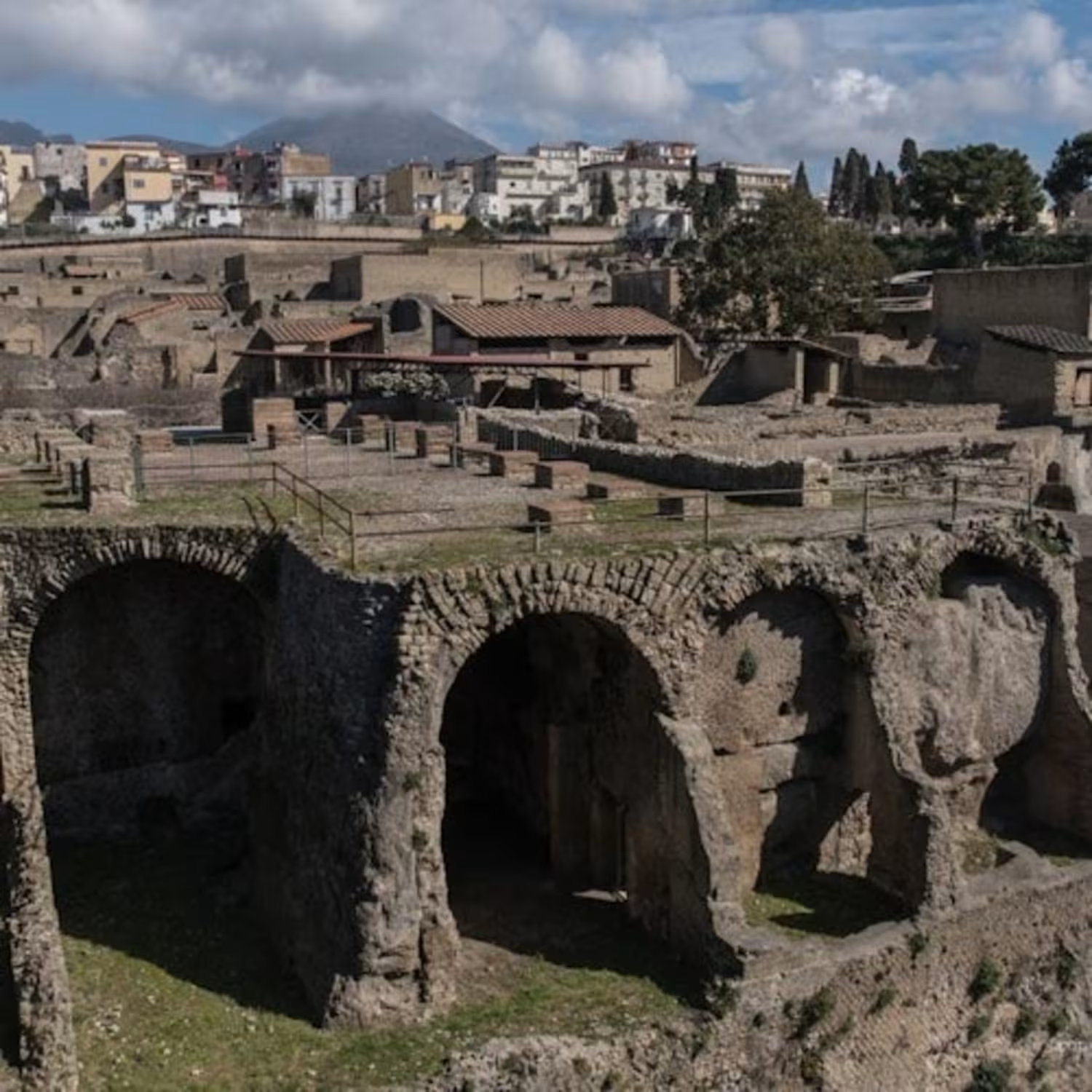
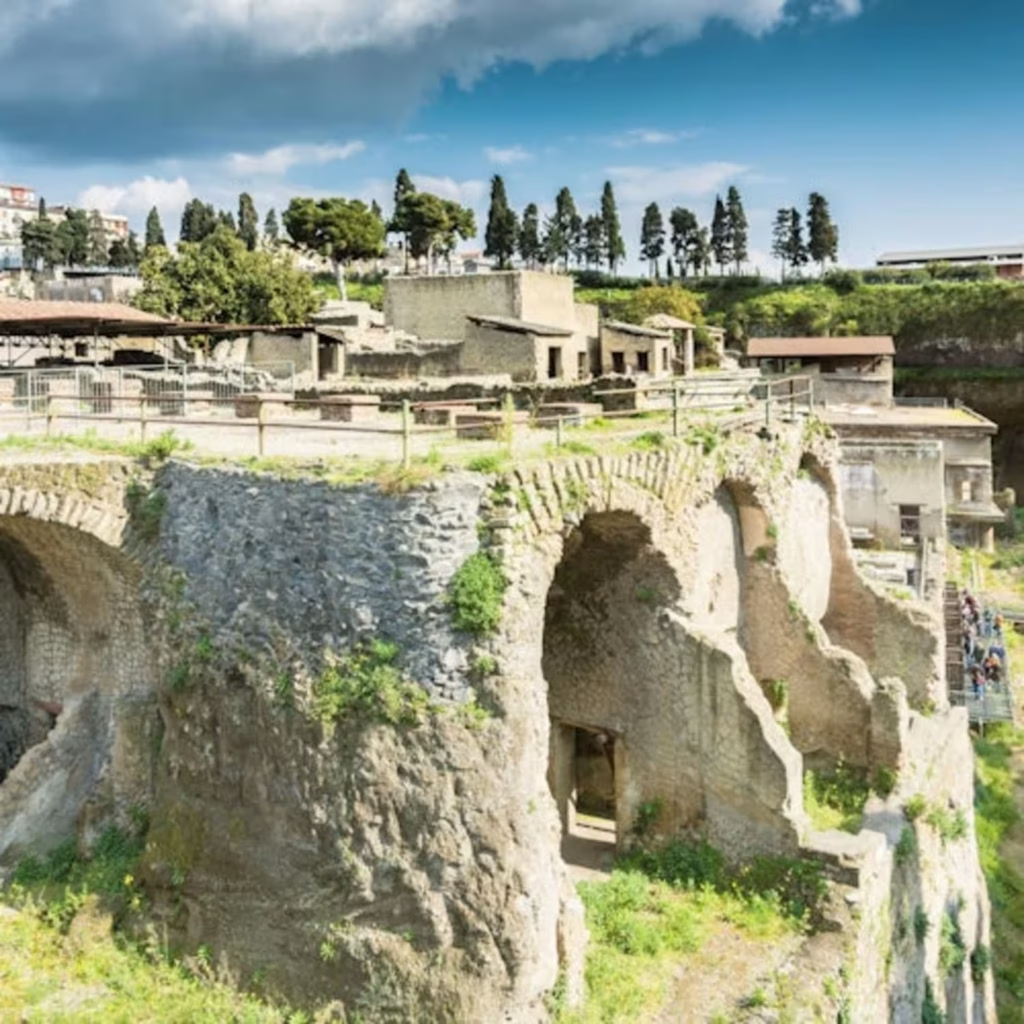
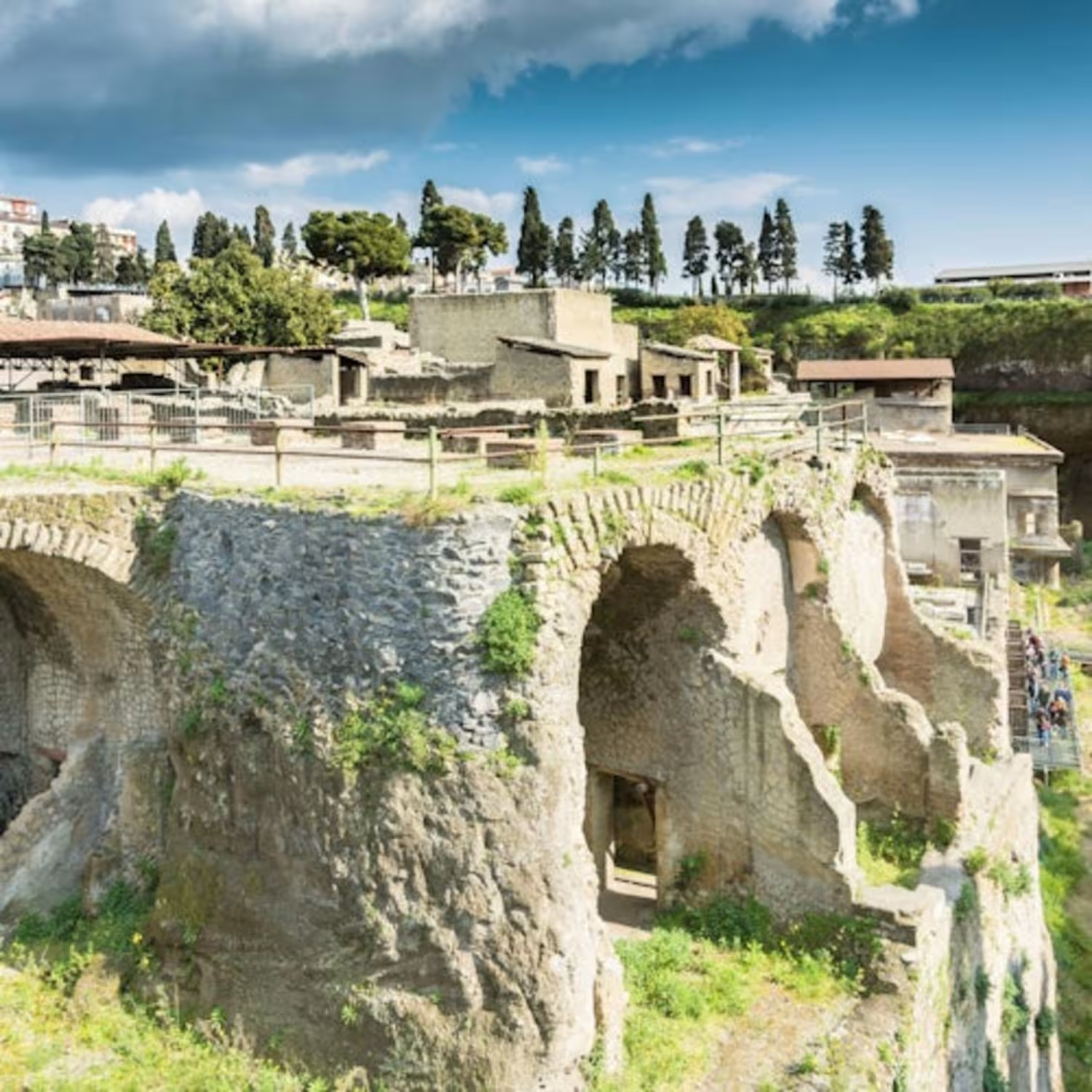
Excavated houses and brick arches at Herculaneum, with the modern town above

The eruption of Vesuvius in AD 79 destroyed both towns, but not in the same way, and that single fact explains almost everything you will notice on a visit. Pompeii, to the south-east of the volcano, sat under the plume and was buried largely by falling ash and lapilli, the small pumice stones that piled up on roofs until they collapsed. Herculaneum, on the western flank, escaped most of the fall but took the full force of the pyroclastic surges that followed: clouds of gas, ash and rock that the Parco Archeologico di Ercolano puts at more than 400 degrees, travelling at 10 to 20 metres per second.

Heat that intense should have burnt the town to nothing. Instead, with no oxygen inside the surge, organic material carbonised rather than combusted. Wooden doors, staircases, partitions and beds were turned to charcoal in their original shape. So were loaves, cereals, fruit, rope, fabric, wax tablets and the papyrus scrolls of the Villa of the Papyri. At Pompeii, where the ash cooled before it could do the same, the wood simply rotted away over the centuries and left voids.

The surges then set hard. Herculaneum ended up sealed under a layer of volcanic rock about 25 metres deep, compared with a few metres of loose ash at Pompeii. That depth protected the town from looters and the weather for seventeen centuries, which is why upper storeys survive here that collapsed everywhere else. It also means the same rock now lies under the modern town of Ercolano, and much of ancient Herculaneum is still down there.

What a Visit Feels Like at Each Site

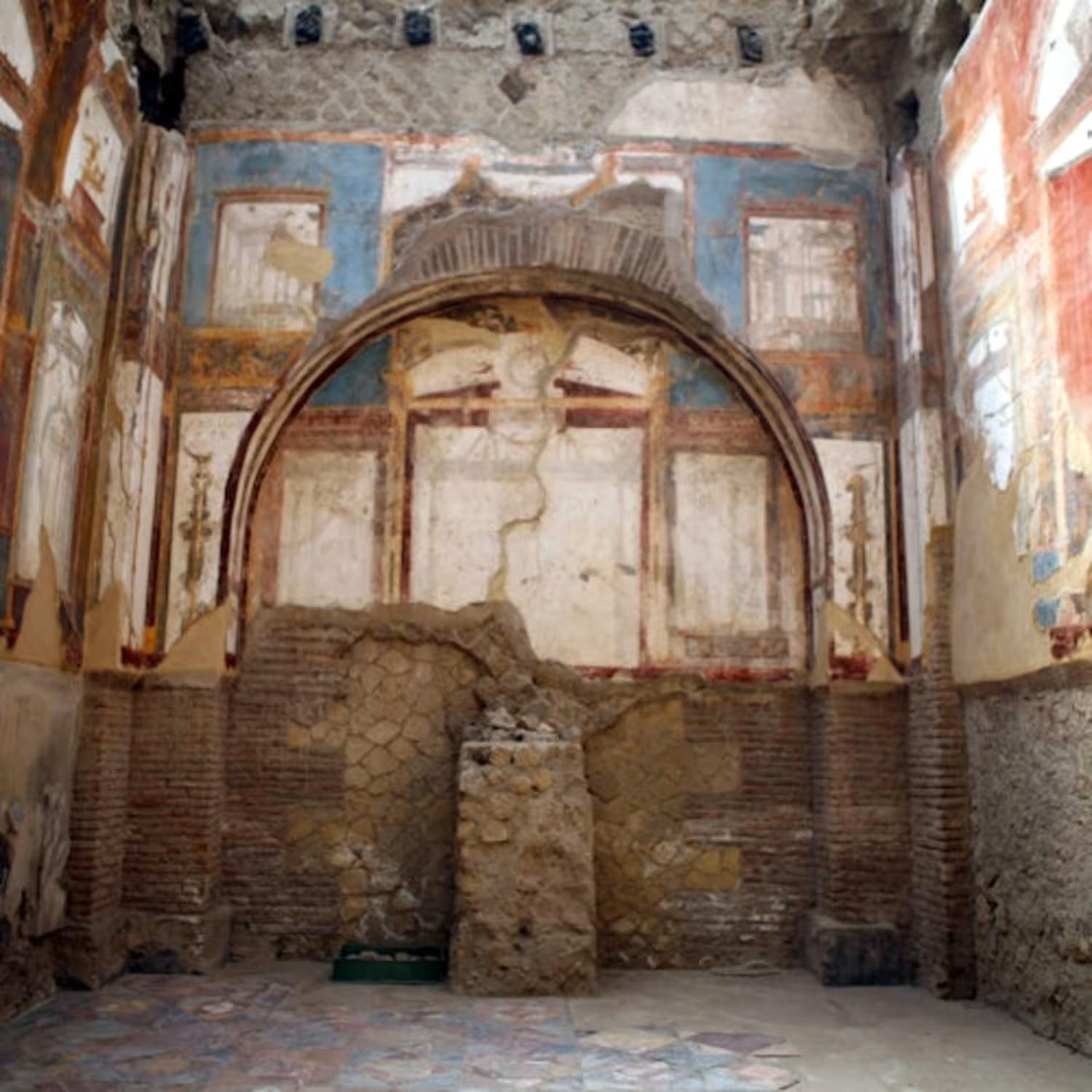
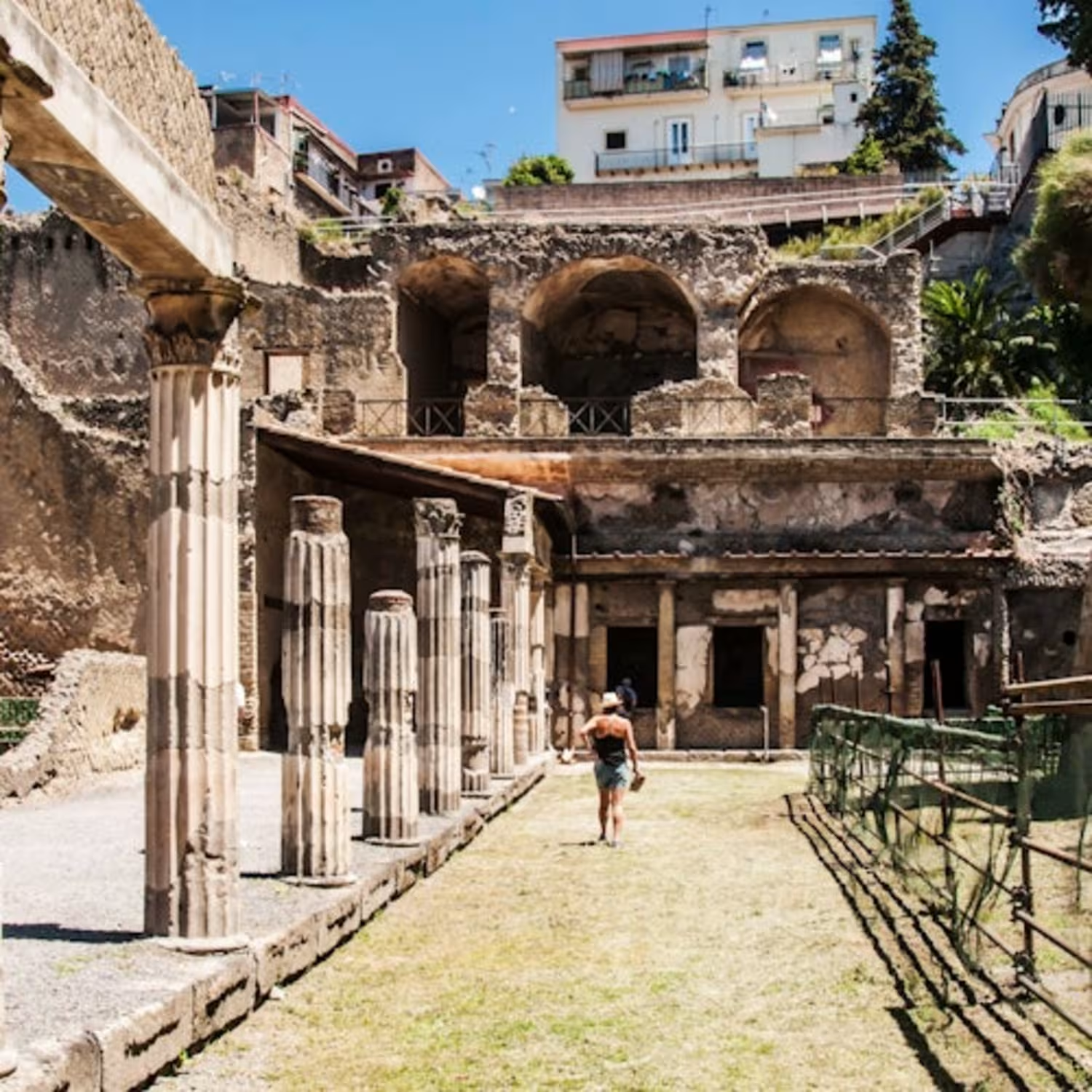
Columned courtyard of a house at Herculaneum

Pompeii is a city. You cross a forum ringed with temples, pass two theatres and a large amphitheatre, and follow long streets rutted by cart wheels past bakeries, taverns and the political slogans and personal graffiti scratched on the walls. UNESCO calls it the only archaeological site in the world that gives a complete picture of an ancient Roman city, and that is both the attraction and the problem: 44 excavated hectares and roughly 1,500 buildings take a full day to cover and most visitors see only a portion of it.

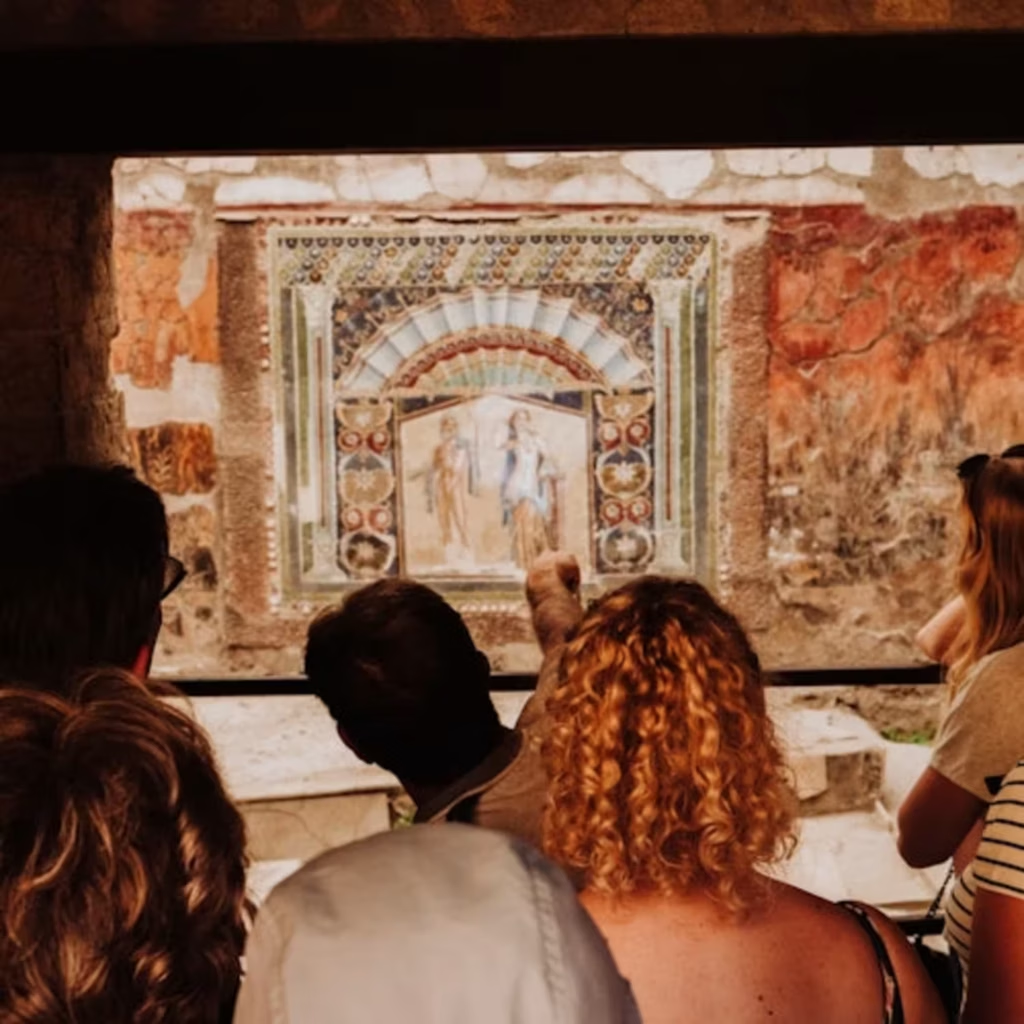
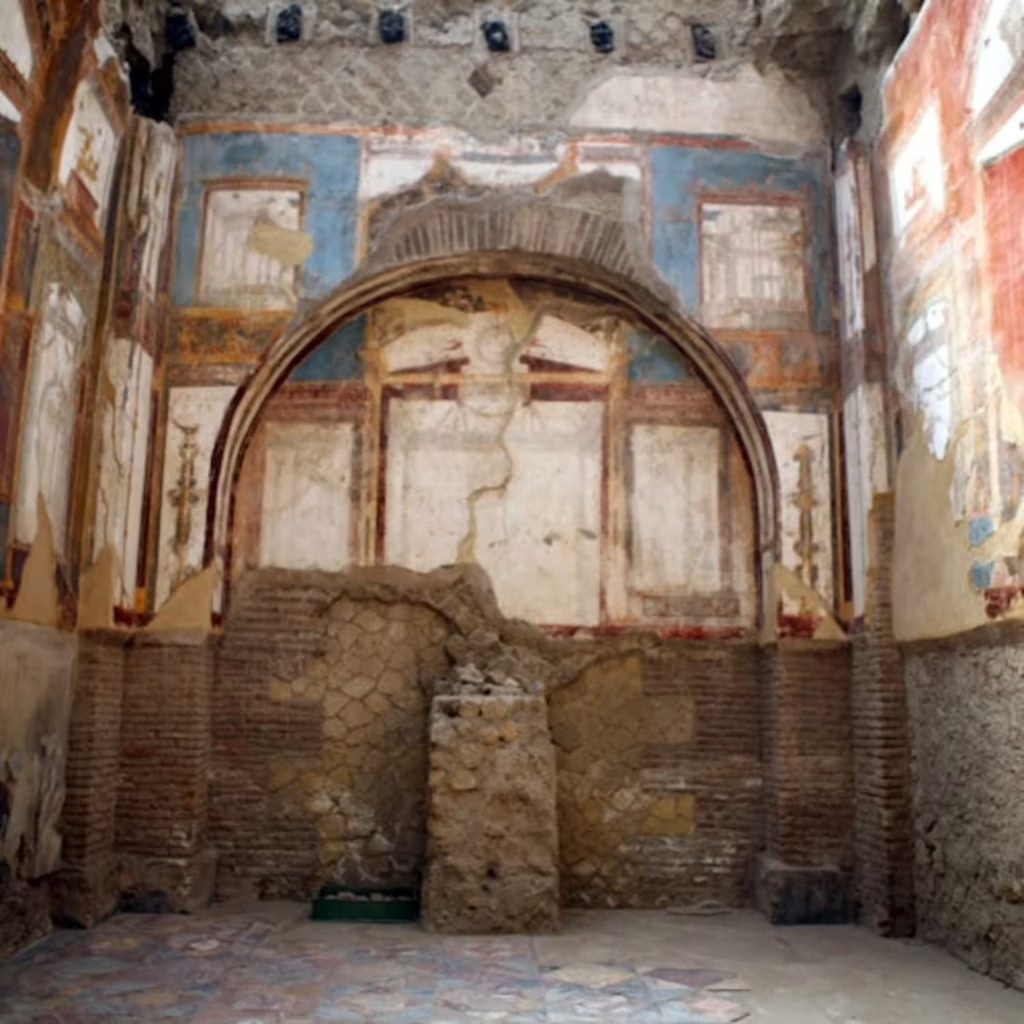
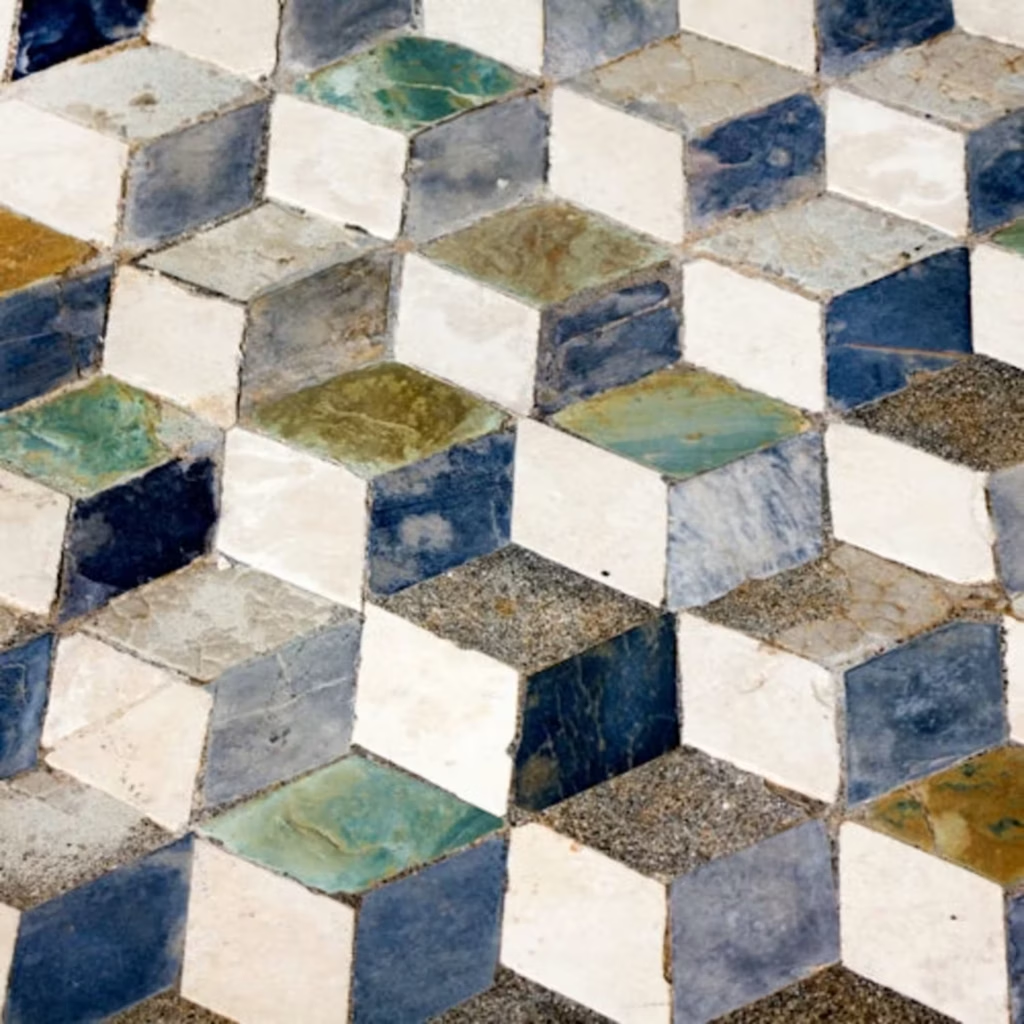
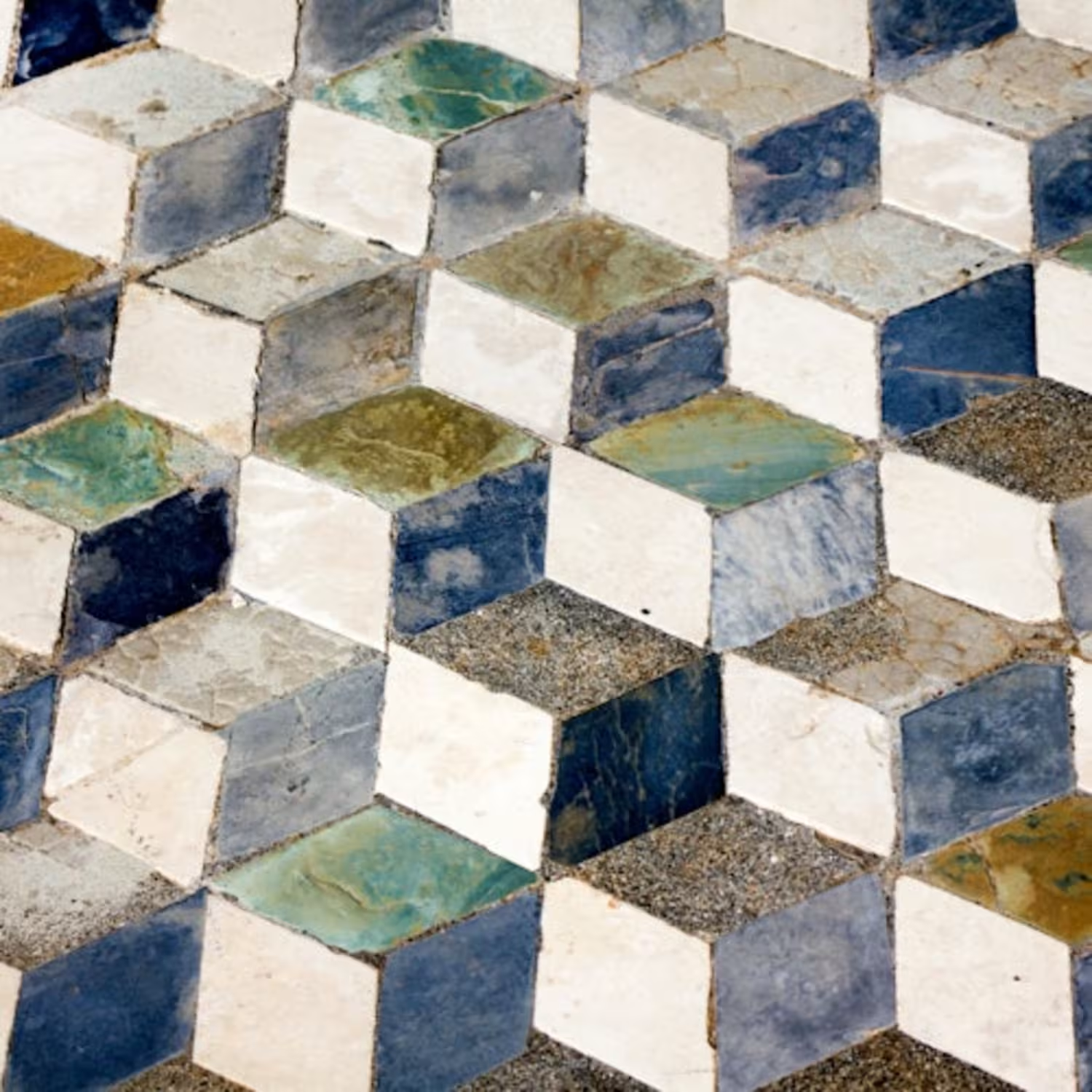
Herculaneum is a neighbourhood. The excavated area is small enough to walk end to end in minutes, and the detail is what holds you. Shops still have their wooden shelving and large wine jars in place. Houses keep their mosaic floors, painted walls and carbonised beams, and in several you can climb to the first floor. The thermal baths retain their stuccoed ceilings. Because the town was a residential retreat rather than a trading hub, the houses were richer on average, and the sea-facing terraces at the southern edge were among the grandest addresses on the bay.

The practical result is a different rhythm. At Pompeii you cover distance and triage what to skip. At Herculaneum you slow down and look closely, which is why most people find 2 to 3 hours is enough without feeling rushed. The site is also compact enough for children and for anyone who finds the Pompeii walk tiring, and the modern town's rooftops looming above the excavation give a constant sense of how deep you are standing.

4.6
(35)

Herculaneum: Entrance Ticket

Highlights

Discover a remarkably conserved Roman town frozen in time by volcanic eruption.

Enjoy easy entry with fast-track access.

Immerse yourself with a downloadable audio guide available in multiple languages.

Stroll through breathtaking mosaics, frescoes, and ancient architecture.

Visit at flexible hours with admission until an hour and a half before closing.
4.7
(15)

Herculaneum: Guided Tour + Round-trip Journey from Naples

Highlights

Experience an expert-led tour through a remarkably preserved archaeological site.

Visit key historic locations such as the House of the Deer and the Forum baths.

Benefit from roundtrip transport between Naples and Herculaneum.

Enjoy a comprehensive exploration lasting around three hours.

Available live guides speak English, Italian, and Spanish.
See the Difference for Yourself

The best way to settle the Herculaneum vs Pompeii question is to walk the smaller site first and judge the preservation with your own eyes. The Herculaneum: Entrance Ticket gives you a reserved time slot for the whole excavated town, including the houses, baths and the ancient shoreline. If you are coming from the city, the Herculaneum Guided Tour + Round Trip Journey from Naples takes care of the train and adds a guide who knows where the carbonised wood and the upper floors are. Opening hours change with the season, so check before you go.

About this guide

Sources: Parco Archeologico di Ercolano, The story; Parco Archeologico di Ercolano, Organic finds; Parco Archeologico di Ercolano, The escapees; UNESCO World Heritage Centre, Archaeological Areas of Pompei, Herculaneum and Torre Annunziata; Parco Archeologico di Pompei, Press kit; The Art Newspaper, The history and current state of Herculaneum.

Frequently Asked Questions: Herculaneum vs Pompeii

Is Herculaneum or Pompeii better to visit?

It depends on what you want. Herculaneum is better preserved and takes 2 to 3 hours; Pompeii is far larger and gives you the full layout of a Roman city, including its forum and amphitheatre. Many visitors who have done both say Herculaneum impressed them more.

Which is bigger, Herculaneum or Pompeii?

Pompeii, by a wide margin. The site covers about 66 hectares with 44 excavated, while Herculaneum's walled town was around 20 hectares and only part of it has been dug out from under the modern city.

Why is Herculaneum better preserved than Pompeii?

Herculaneum was buried by pyroclastic surges hotter than 400 degrees that carbonised wood and organic material and then set into some 25 metres of rock. Pompeii was buried under a few metres of ash and lapilli, which preserved buildings but not their wooden parts.

Can you visit Herculaneum and Pompeii in one day?

Yes. Both sit on the Circumvesuviana railway from Naples, and Herculaneum's small size leaves time for Pompeii in the afternoon. Expect a long day with a lot of walking, and start with whichever site matters more to you.

Is Herculaneum less crowded than Pompeii?

Generally yes. Pompeii was receiving around 3.5 million visitors a year before the pandemic, while Herculaneum's compact site is noticeably quieter even in high season.

Are there bodies at Herculaneum like at Pompeii?

Not plaster casts. Herculaneum's victims survive as skeletons, about 300 of them found in the boat houses on the ancient shoreline in 1980. Casts of them are displayed in the vaulted chambers where they died.

How long does Herculaneum take compared with Pompeii?

Around 2 to 3 hours for Herculaneum and at least half a day for Pompeii. Pompeii has roughly 1,500 uncovered buildings spread over a site you cannot cover in full in one visit.

Is Herculaneum closer to Naples than Pompeii?

Yes. Herculaneum is about 8 km south-east of the city centre, with the Ercolano Scavi station a short walk from the entrance. Pompeii is further along the same line.