We are processing your request.
Please, don’t close or refresh the page.
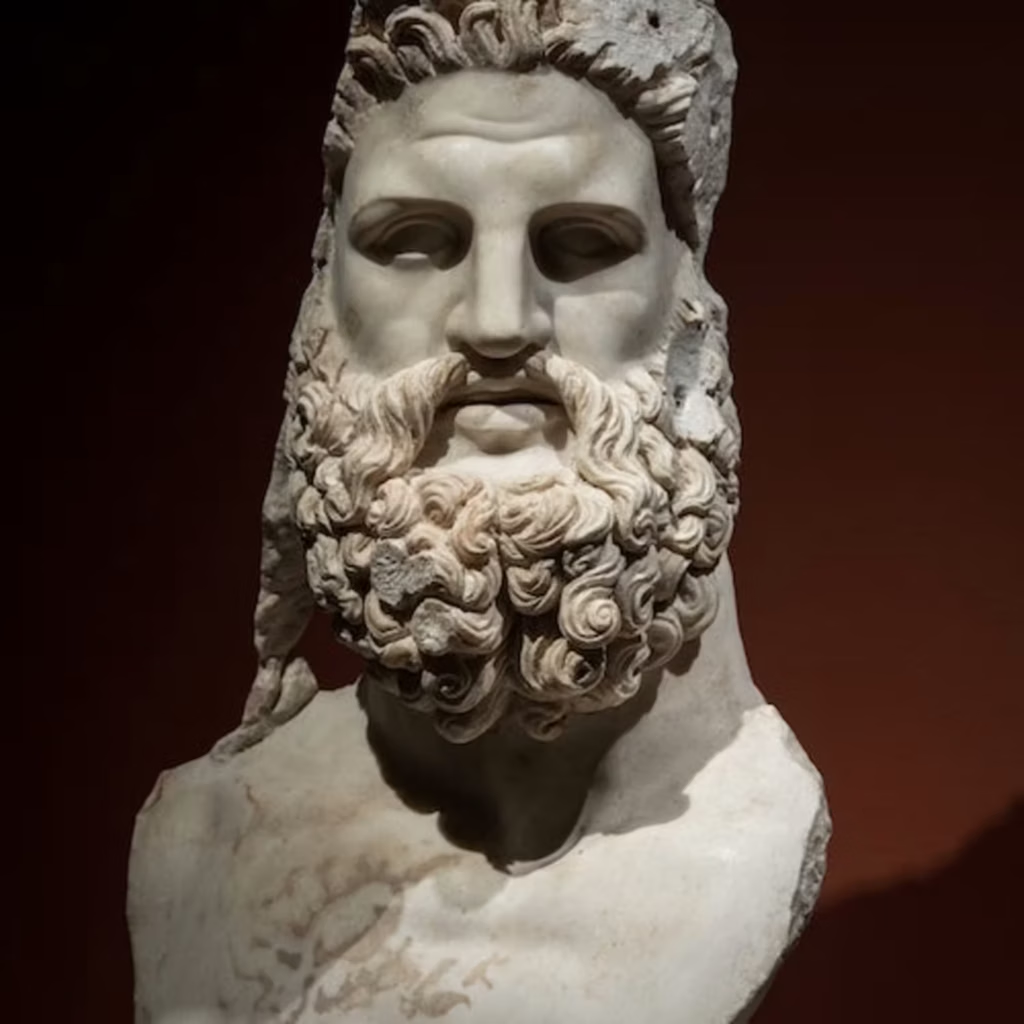
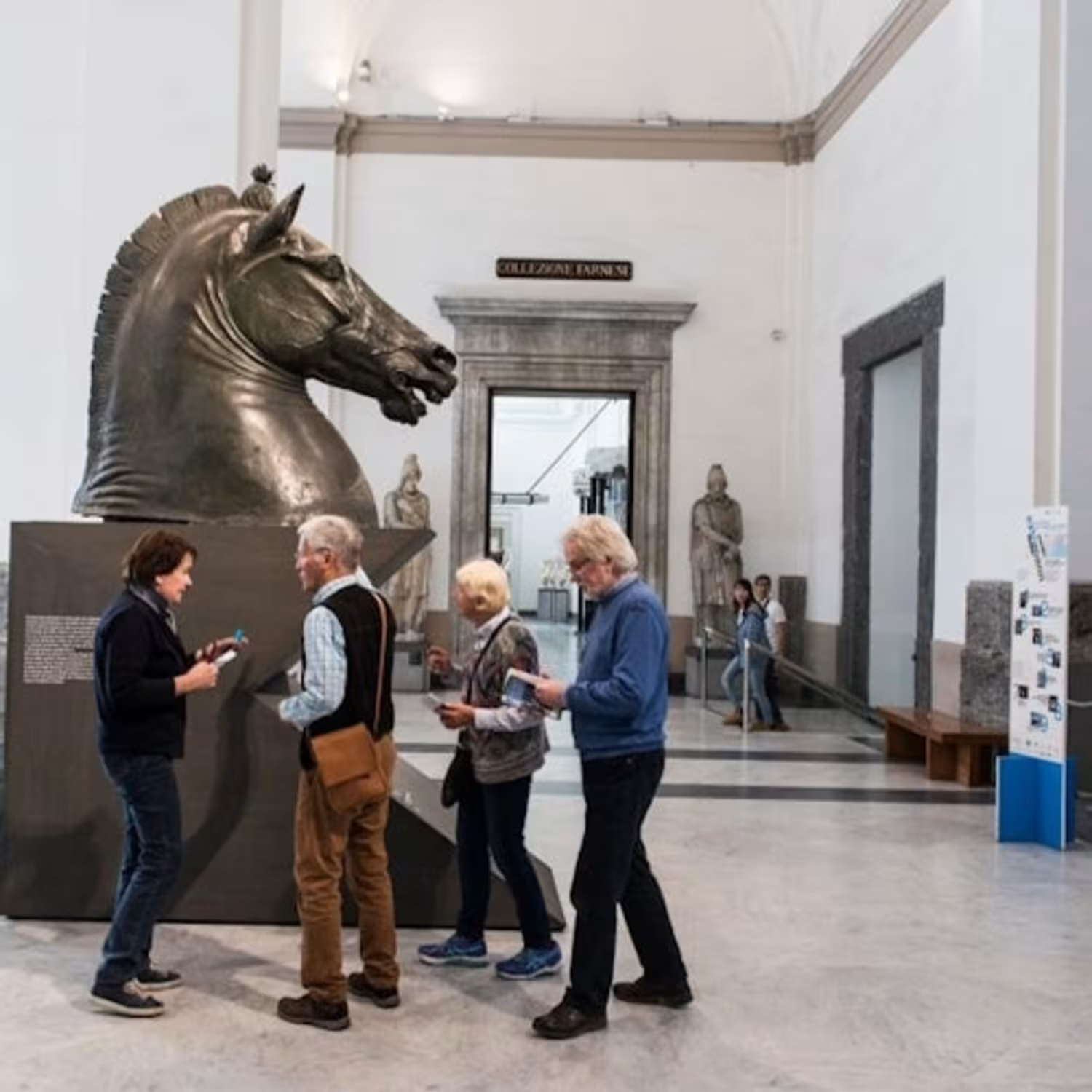
Colossal marble statues in the Farnese gallery of the National Archaeological Museum of Naples

The Farnese Hercules: a Tired Hero Three Metres Tall

Signed by Glykon of Athens and carved around 216 AD for the Baths of Caracalla, the Farnese Hercules shows the strongest man in mythology leaning on his club, worn out. He waited 240 years to get his own legs back.

What Makes the Farnese Hercules More Than a Big Statue

At 3.17 metres he is one of the largest surviving marble statues from antiquity, carved to stand in the vast halls of the Baths of Caracalla, which were dedicated in 216 AD.

The sculptor signed the rock under the club: Glykon of Athens, a copyist otherwise unknown. The composition goes back to a lost bronze by Lysippos, court sculptor to Alexander the Great.

He is not fighting anything. This is Hercules at rest, leaning on his club with the skin of the Nemean lion draped over it, head bowed, muscles slack after the labours.

Walk round the back. In his right hand, hidden behind him, he holds the three golden apples of the Hesperides, the prize of his eleventh labour, which means the exhaustion you see from the front has a cause.

He came out of the ground in pieces during the excavations Pope Paul III ran at the Baths of Caracalla from 1545, and the head turned up separately in a well in Trastevere.

Guglielmo della Porta carved new legs. When the ancient ones were found, Michelangelo advised keeping della Porta's, to show that modern sculptors could match the ancients. The originals were only fitted in 1787.

He stood under the arcade of the courtyard of Palazzo Farnese in Rome for two centuries, drawn and engraved by every artist passing through, including Hendrick Goltzius, who published a famous view from behind in 1591.

The Farnese inheritance passed to the Bourbons of Naples through Elisabetta Farnese, and the statue travelled south in 1787 with the bulk of the collection.

From a Greek Bronze to a Roman Bath

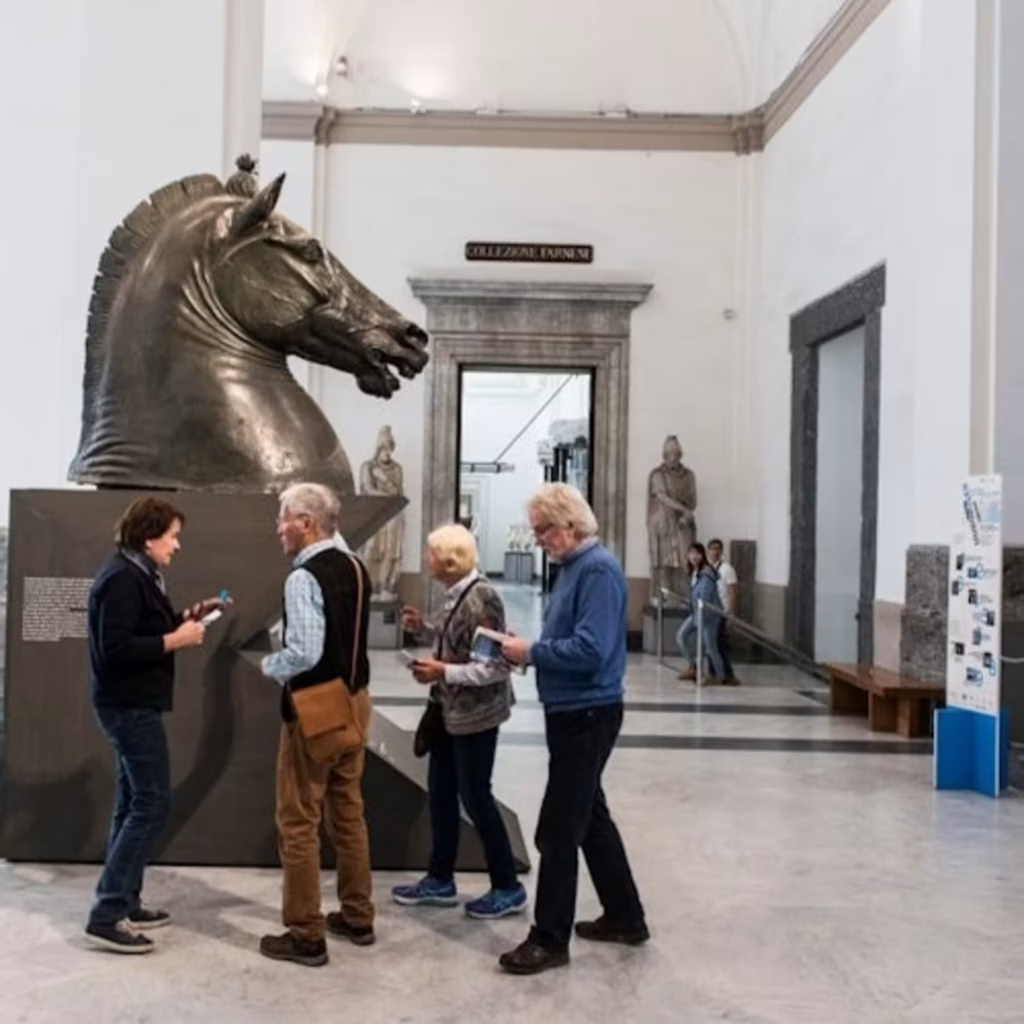
Ancient sculptures lined up in a hall of the Naples archaeological museum

The idea of showing Hercules tired rather than triumphant belongs to Lysippos of Sikyon, the sculptor who worked for Alexander the Great in the second half of the fourth century BC. Britannica notes that a smaller copy in the Pitti Palace in Florence carries an inscription naming Lysippos as the author of the type, which is the main reason the attribution holds. His bronze original is lost. The pose became famous enough that Roman sculptors reproduced it for centuries, in every size from tabletop to colossal.

The Naples version is the colossal end of that range. It was made for the Baths of Caracalla, the enormous public bathing complex the emperor opened in Rome in 216 AD, where pairs of giant statues stood in the main halls to impress bathers. Glykon enlarged the model and signed it in Greek, which is why we know his name and nothing else about him.

The mood is the point. Earlier Greek heroes are calm and ideal; this one has a heavy head, a sagging stance and veins standing out on the forearm, a hero who has done the work and feels it. Britannica credits the figure with influencing Michelangelo, and the exaggerated musculature made it a standard teaching model for anatomy in art academies for three hundred years.

Lost, Found, Re-legged and Shipped South
People admiring classical sculpture inside the National Archaeological Museum of Naples

Alessandro Farnese, elected Pope Paul III in 1534, began digging in the Baths of Caracalla in 1545, and the colossal Hercules came out in 1546, missing its lower legs and, at first, its head. It passed to his grandson, Cardinal Alessandro Farnese, and was set up under the arcade in the courtyard of Palazzo Farnese, where engravings from 1562 onward in the Speculum Romanae Magnificentiae made it one of the most reproduced antiquities in Europe.

The missing legs were replaced by Guglielmo della Porta, a sculptor in Michelangelo's circle. The ancient legs later turned up in the same baths, but on Michelangelo's advice the modern ones stayed, as a demonstration that a living sculptor could stand comparison with Glykon. The originals went to the Borghese collection and were only reattached in 1787, when the statue was being prepared for the move to Naples.

That move followed a dynastic accident. The last Farnese heiress, Elisabetta, was the mother of Charles of Bourbon, king of Naples from 1734, so the Roman collection became Neapolitan property. Charles's son Ferdinand IV organised the transfer in the 1780s, and the Hercules has been in Naples ever since, first in the Palazzo degli Studi and now in the Farnese galleries of the museum that grew out of it.

4.6
(39)

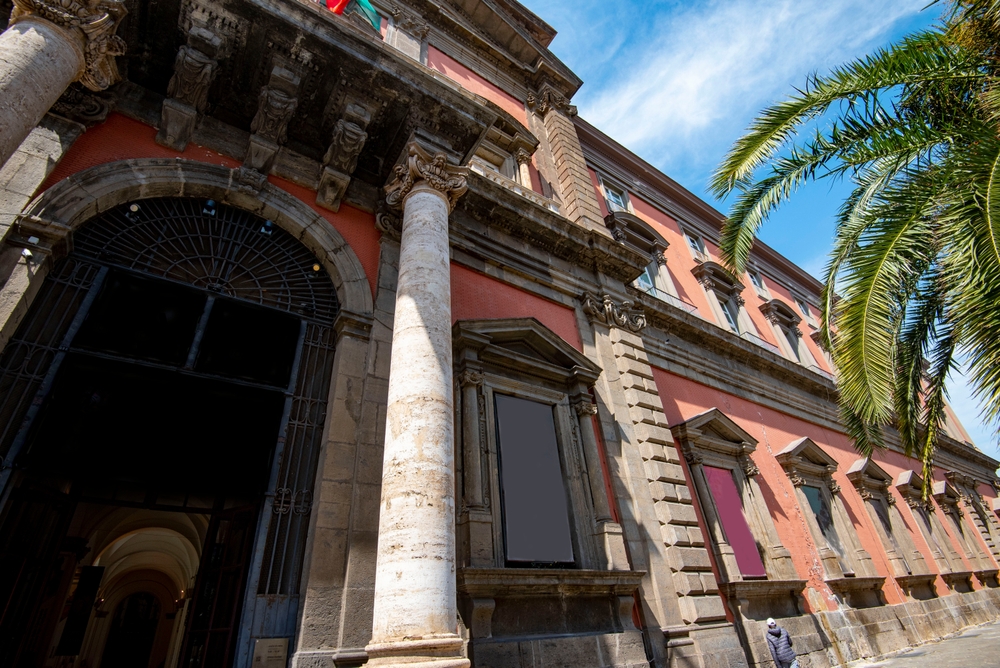
National Archaeological Museum of Naples: Entrance with Pemcards

Highlights

Discover extraordinary statues and frescoes illustrating mythological tales and heroes.

Admire detailed mosaics, bronze, glass artifacts, ceramics, and engraved copper items from Pompeii, Greece, Egypt, and Rome.

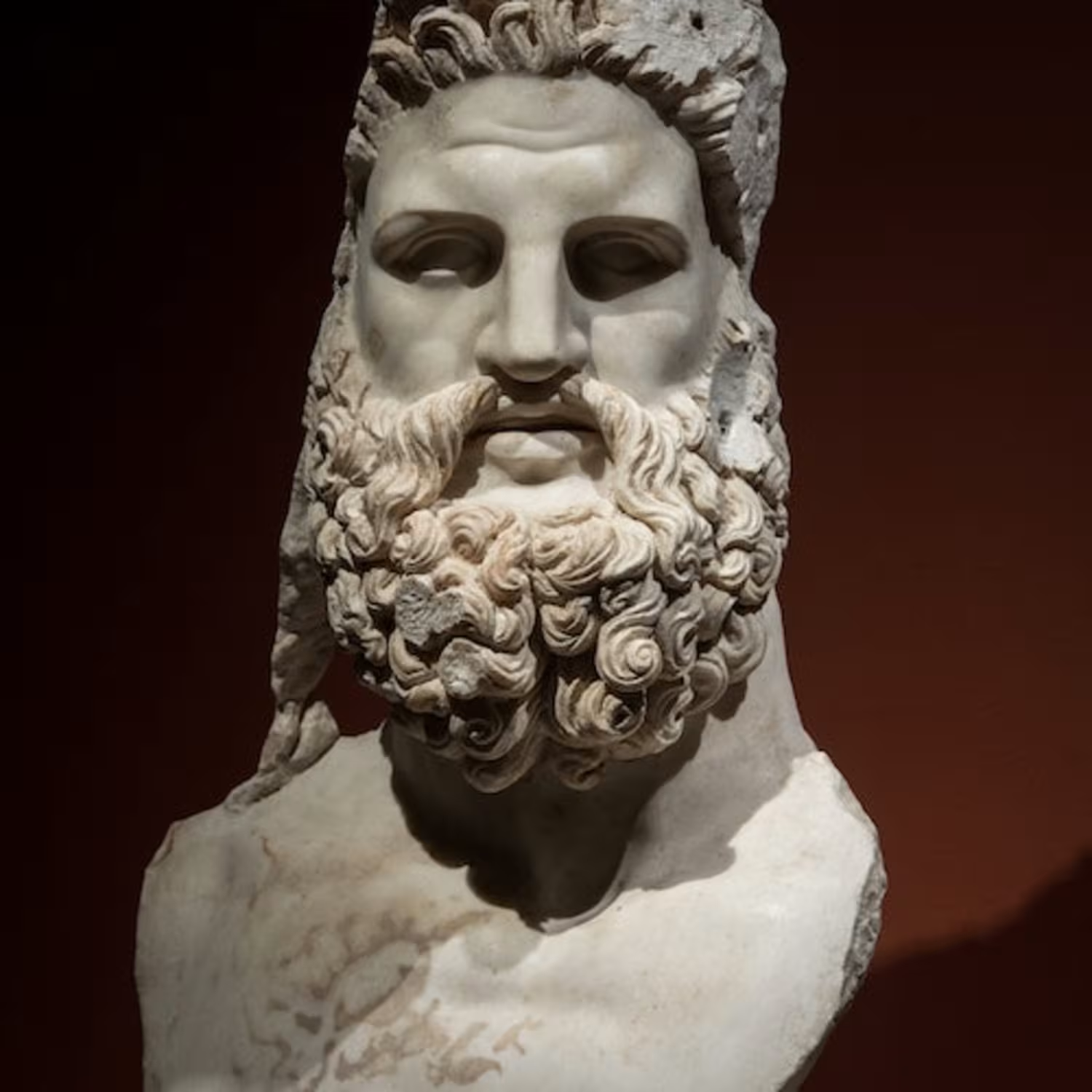
View the iconic Toro Farnese, the oldest single sculpture from antiquity.

Explore the renowned Farnese Hercules and the Farnese Atlas, significant historical artworks.

Explore carbonized relics from Pompeii and valuable artifacts from ancient civilizations.
4.7
(46)

Museo Archeologico Nazionale di Napoli: Guided Tour

Highlights

Skip the regular queues with priority access.

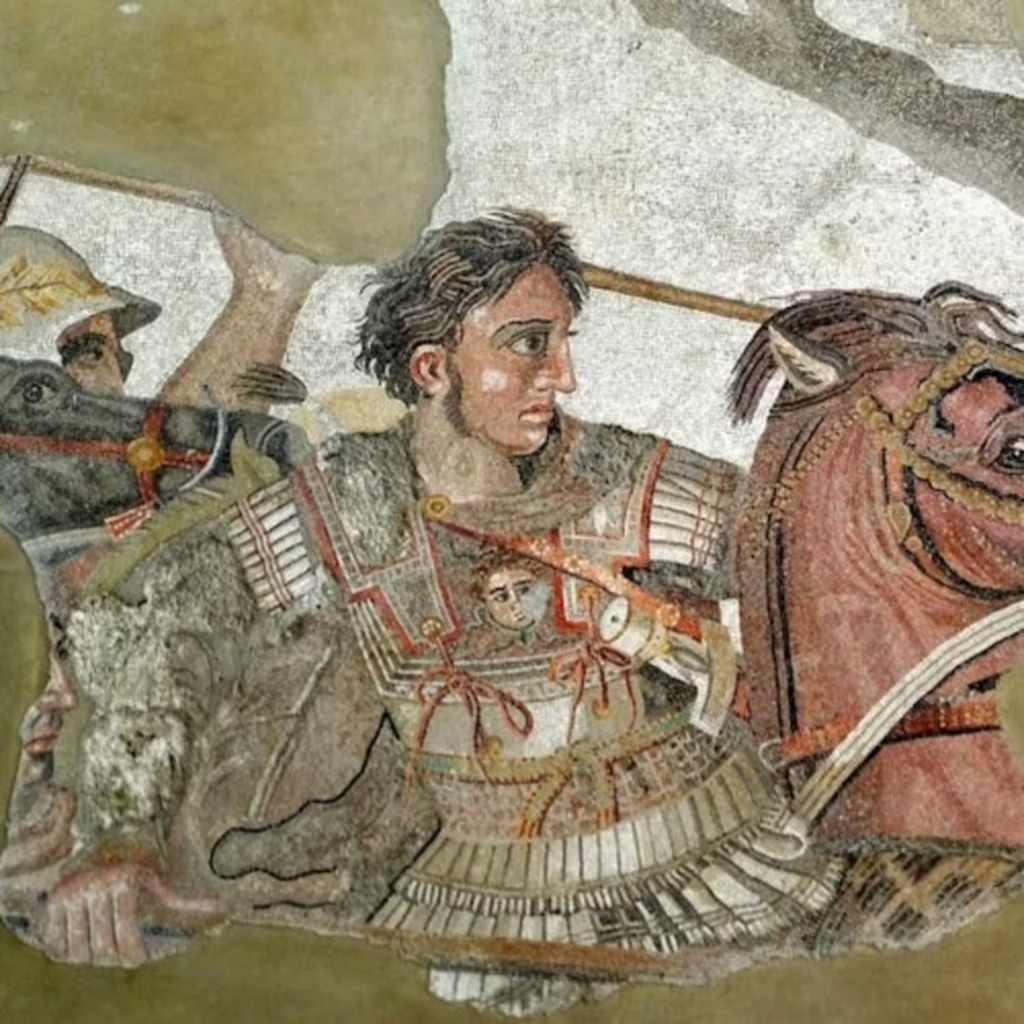
Discover artifacts rescued from the eruption of Mount Vesuvius.

Explore the extensive Farnese Collection of ancient sculptures.

View exceptionally preserved frescoes and intricate mosaics.

Gain insights from a knowledgeable archaeologist guide fluent in English and Italian.
Give Him Five Minutes From Every Side

The Farnese Hercules is the first colossal figure most visitors meet on the ground-floor route covered by the National Archaeological Museum of Naples: Entrance with Pemcards, and it rewards slowing down: front for the fatigue, side for the sag of the shoulders, back for the apples and the signature. On the Museo Archeologico Nazionale di Napoli: Guided Tour the guide will usually pair him with the Farnese Bull to explain the Baths of Caracalla and how one papal family ended up owning both. The Farnese galleries are open daily within museum hours, which run 9:00 to 19:30 with Tuesday closing.

About this guide

Sources: Britannica, Farnese Hercules; Museo Archeologico Nazionale di Napoli, Farnese collection; Wikipedia, Farnese Hercules; European Traveler, Farnese Hercules in Naples Museum.

Frequently Asked Questions About the Farnese Hercules

Where is the Farnese Hercules?

In the National Archaeological Museum of Naples, on the ground floor in the Farnese galleries, a short walk from the Farnese Bull. Its inventory number is 6001.

Who made the Farnese Hercules?

Glykon of Athens signed it on the rock beneath the club. He was copying, at colossal scale, a bronze by Lysippos, the fourth-century BC sculptor who worked for Alexander the Great.

How tall is the Farnese Hercules?

3.17 metres, roughly 10.5 feet, not counting the base. It was carved around 216 AD to stand in the halls of the Baths of Caracalla in Rome.

Why is Hercules shown tired?

He has just finished a labour. The apples of the Hesperides are in his right hand behind his back, and the pose, leaning on the club with head bowed, shows a hero worn down by the work rather than celebrating it.

Where was the Farnese Hercules found?

In the Baths of Caracalla in Rome, during the excavations Pope Paul III began in 1545. The statue came out in 1546; the head was recovered separately from a well in Trastevere.

Are the legs original?

They are now. Guglielmo della Porta carved replacement legs in the sixteenth century, and on Michelangelo's advice they stayed even after the ancient legs were found. The originals were reattached in 1787.

When did the Farnese Hercules come to Naples?

In 1787, when Ferdinand IV moved the bulk of the Farnese collection from Rome. The collection had passed to the Neapolitan Bourbons through Elisabetta Farnese, mother of Charles of Bourbon.

Is the Farnese Hercules included in the entrance ticket?

Yes. The Farnese galleries are on the standard route with the National Archaeological Museum of Naples: Entrance with Pemcards, and the guided tour stops at the statue. Check before you go, since rooms can close for events.