We are processing your request.
Please, don’t close or refresh the page.
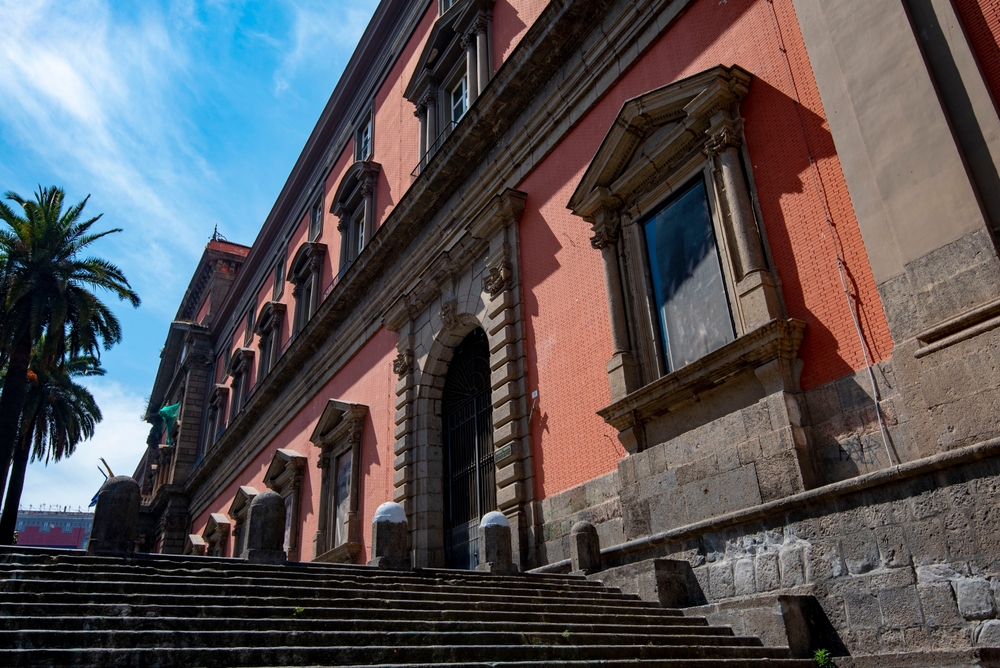
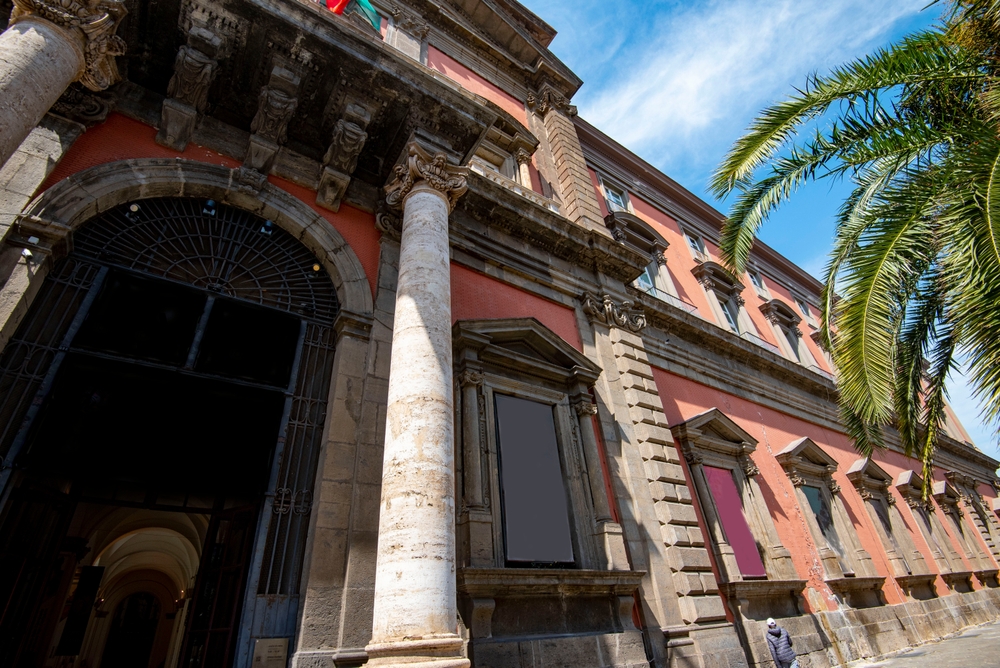
Gallery of the National Archaeological Museum of Naples, where the Alexander Mosaic is kept

The Alexander Mosaic: Pompeii's Greatest Floor and the Restoration It Is Going Through

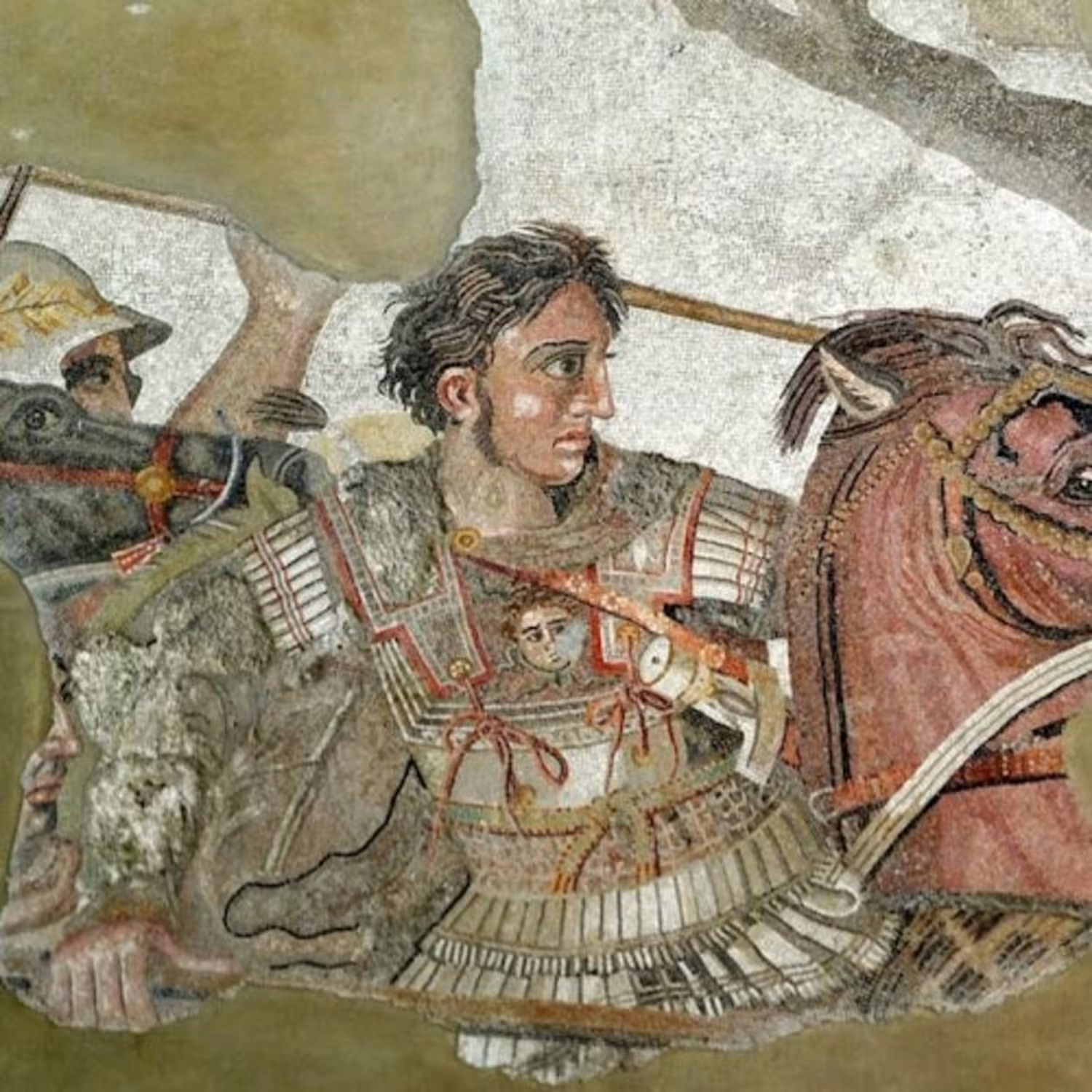
Found in the House of the Faun in 1831, the Alexander Mosaic packs well over a million tesserae into a battle between Alexander the Great and Darius III. Since 2021 it has been under restoration at the Naples museum, and the museum's own pages say it is not on display at the moment.

What Makes the Alexander Mosaic the Most Important Floor from the Ancient World

It is a copy of a lost Greek painting, probably the battle picture Pliny the Elder says Philoxenos of Eretria painted for King Cassander of Macedon around 300 BC, which makes it our best window onto Greek painting at its peak.

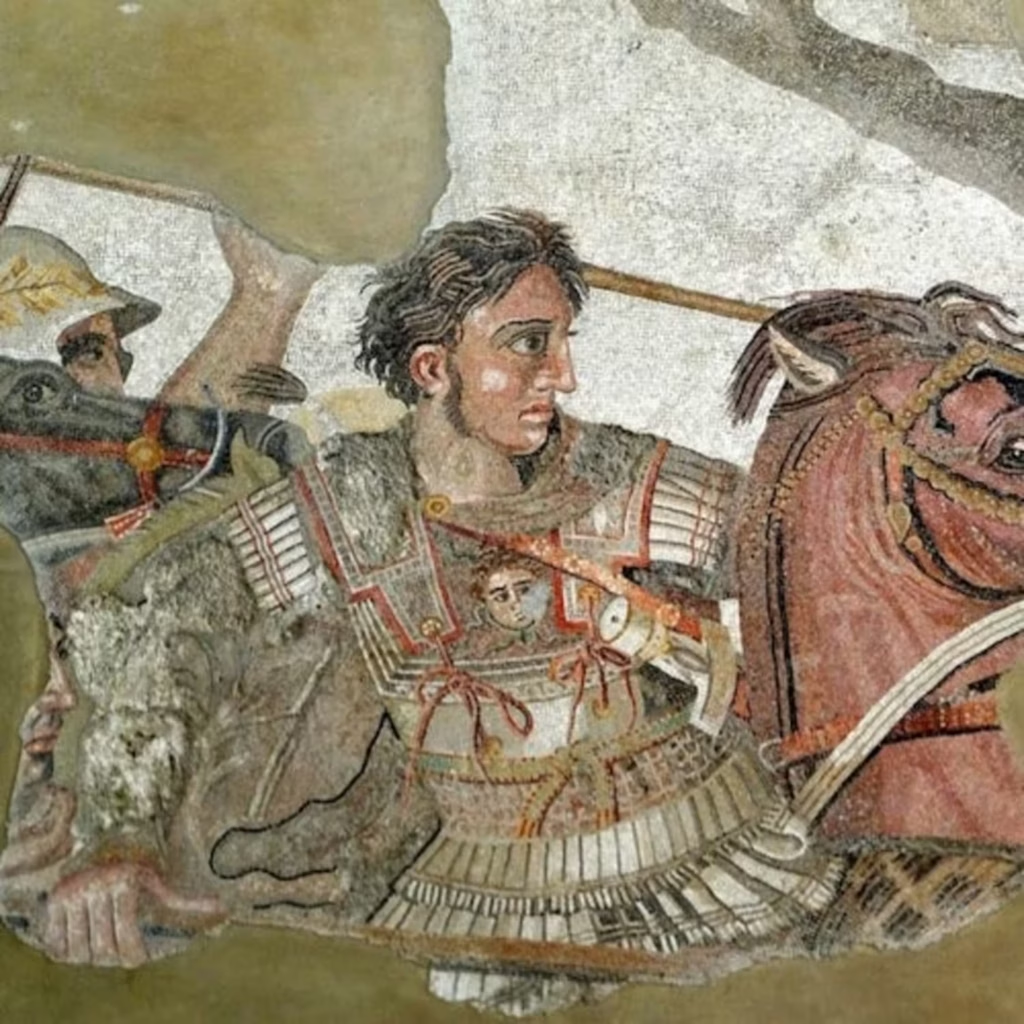
The technique is opus vermiculatum, tiny tesserae laid in curving rows that follow the forms like brushstrokes. The museum counts more than a million pieces; the restoration team puts the figure closer to two million.

The whole picture is built from four colours: reds, yellows, black and white, in many shades. Alexander's face uses several pinks that analysis suggests came from Portugal.

Alexander charges from the left, bareheaded on Bucephalus, a Gorgon's head on his breastplate, while Darius III, in his chariot, turns back toward him with an empty bow hand and a look of horror.

The scene is usually called the Battle of Issus, fought in 333 BC, though some scholars argue for Gaugamela, two years later. The mosaic itself names nobody.

The museum gives its size as 5.83 by 3.13 metres including the border, and its weight as about seven tons. The figured scene alone is roughly 5.13 by 2.72 metres.

It was dug up in 1831, debated for twelve years, and hauled to Naples in 1844 on a cart pulled by sixteen oxen. The crate fell in the street at Torre del Greco; the mosaic survived.

In 1916 the director Vittorio Spinazzola had it hung on a wall. A century upright is part of why it needed restoring: the weight pulled the surface down and iron in the frame rusted.

A Painting Turned to Stone

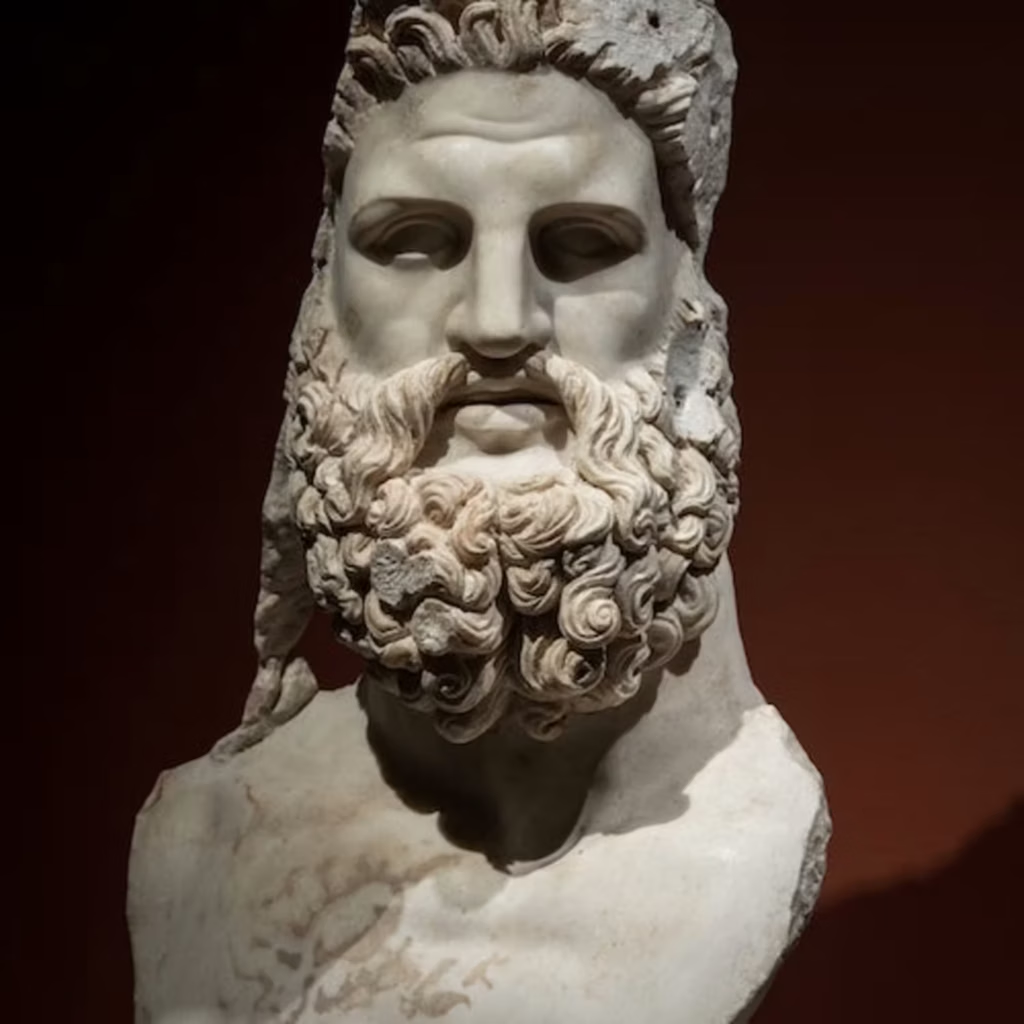
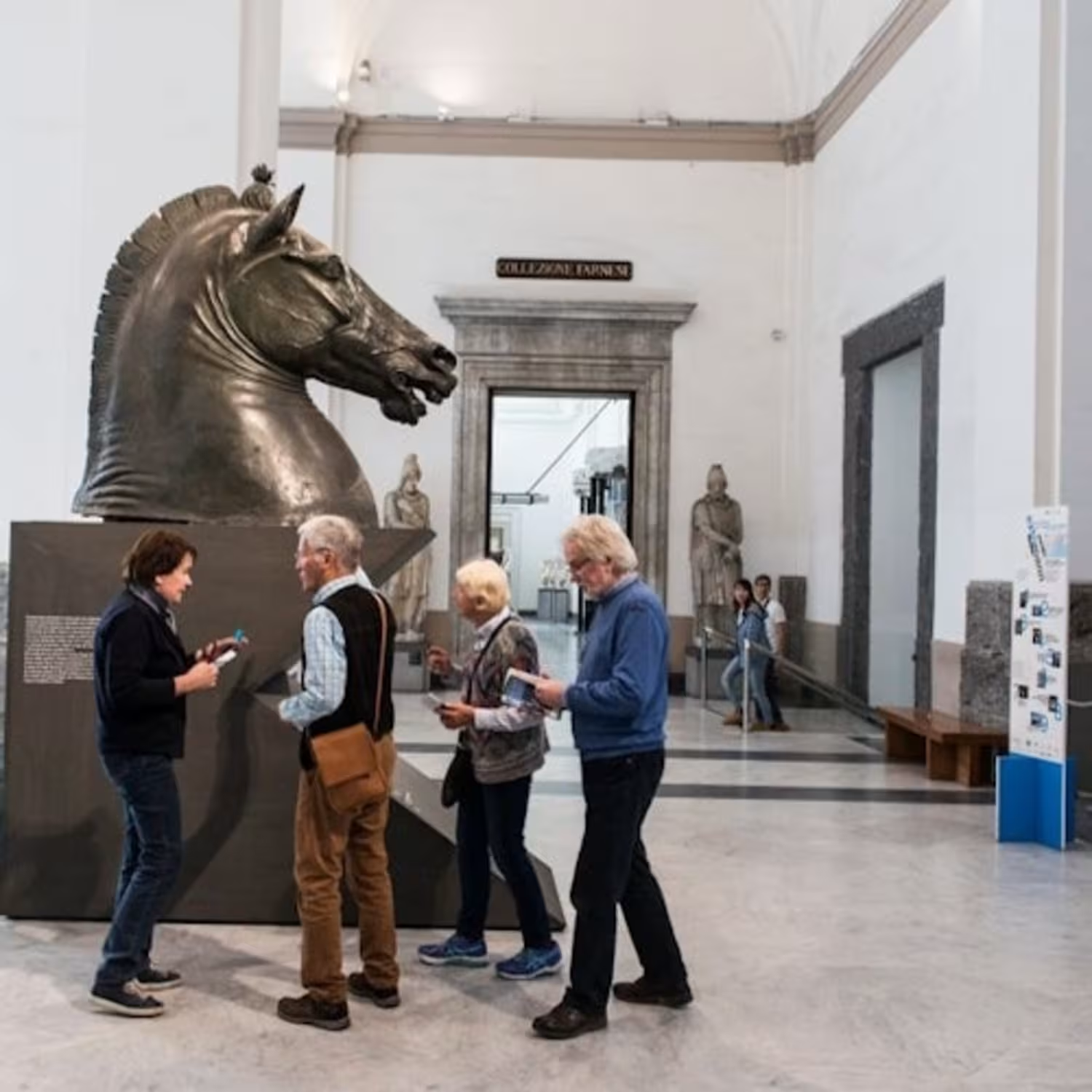
Ancient works on display at the National Archaeological Museum of Naples

The House of the Faun was the largest private house in Pompeii, excavated between 1830 and 1832 and named after the bronze dancing satyr found in its atrium. The owners paved a reception room between the two peristyles, the exedra, with a picture most Romans would only have known from descriptions: Alexander the Great breaking the Persian line. The museum notes that the coloured mosaics from the house were probably laid by workshops from Alexandria in Egypt.

Nobody signed it, but the composition is too sophisticated to have been invented for a floor. The radical foreshortening of the horse seen from behind, the dead and dying soldier who watches his own face in a polished shield, the bare tree that splits the sky: these are the tricks of a painter, not a mosaicist. Pliny's note about Philoxenos of Eretria and a battle painted for Cassander is the usual candidate, though Apelles and Aristides of Thebes have also been proposed.

The restraint of the palette is deliberate. Greek painters of the fourth century BC were famous for working in four colours, and the mosaic honours that with every tone built from red, yellow, black and white stone. The damage is concentrated on the left side, where the Macedonian cavalry would have been; ancient repairs were already visible when the floor was found.

From the Wall Back to the Floor: the Restoration
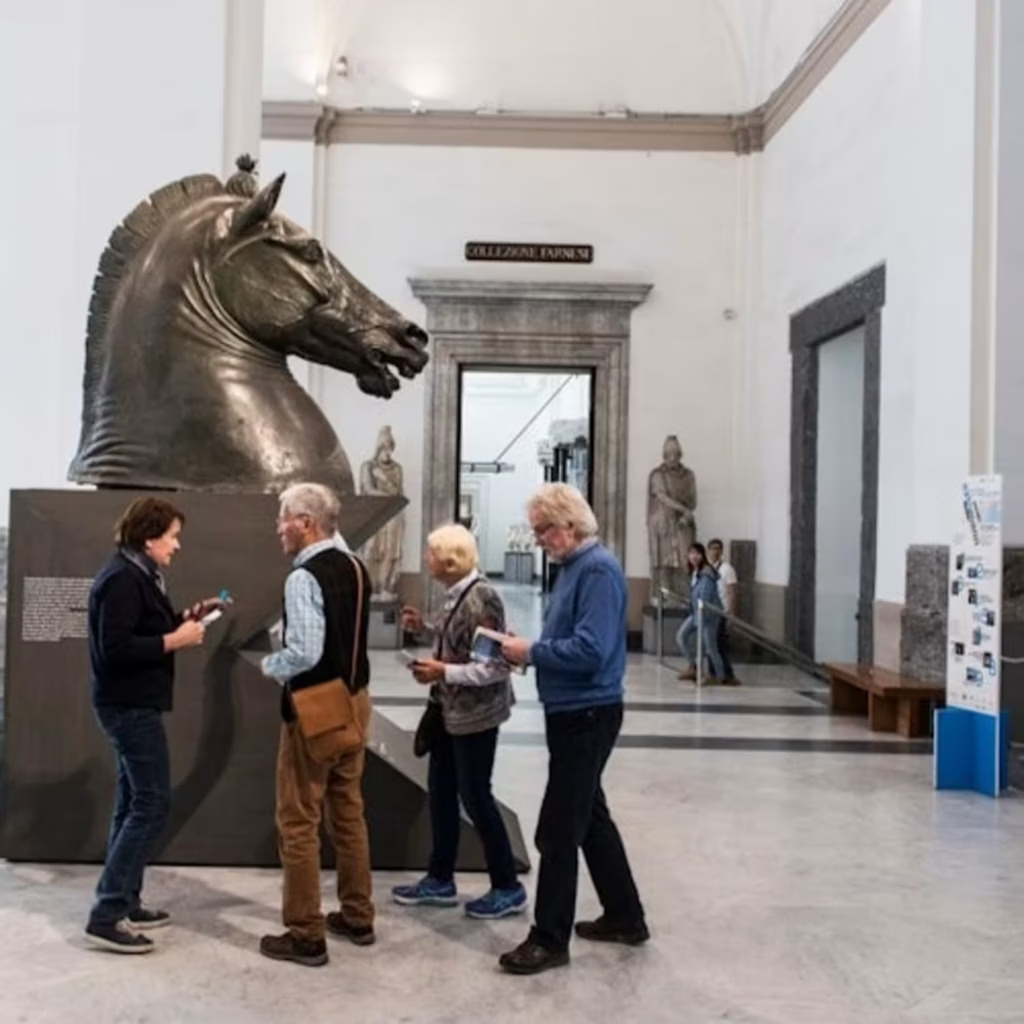
Visitors in a gallery of the Naples archaeological museum

The museum's own account of the work is detailed. Surveys in 2015 and 2018 found cracks invisible to the eye, detached tesserae, bulges along the edges where the metal of the 1916 frame had rusted, and a sagging depression in the centre-right of the picture where the mortar had failed under a century of vertical weight. A restoration began in January 2021, with the public able to watch the first phase through a transparent worksite.

In October 2023 the mosaic was taken off the wall and, in an operation the museum describes step by step, turned face down so conservators could work on the back. Smart glasses projected the hidden tesserae onto the reverse so the team knew what lay beneath each square centimetre. The second phase, consolidating the ancient preparatory layers and building a new support, started in July 2024 with completion then expected in early 2025.

As of the museum's current pages the work has not been declared finished. The museum states that the Alexander Mosaic is undergoing a major restoration and is not on display, and that visitors can follow the restorers from two observation points in the Mosaics collection. At the same time the Mosaics section and the Secret Cabinet are listed as closed for refurbishment until 30 November 2026, with a banner saying until further notice. Check before you go.

4.6
(39)

National Archaeological Museum of Naples: Entrance with Pemcards

Highlights

Discover extraordinary statues and frescoes illustrating mythological tales and heroes.

Admire detailed mosaics, bronze, glass artifacts, ceramics, and engraved copper items from Pompeii, Greece, Egypt, and Rome.

View the iconic Toro Farnese, the oldest single sculpture from antiquity.

Explore the renowned Farnese Hercules and the Farnese Atlas, significant historical artworks.

Explore carbonized relics from Pompeii and valuable artifacts from ancient civilizations.
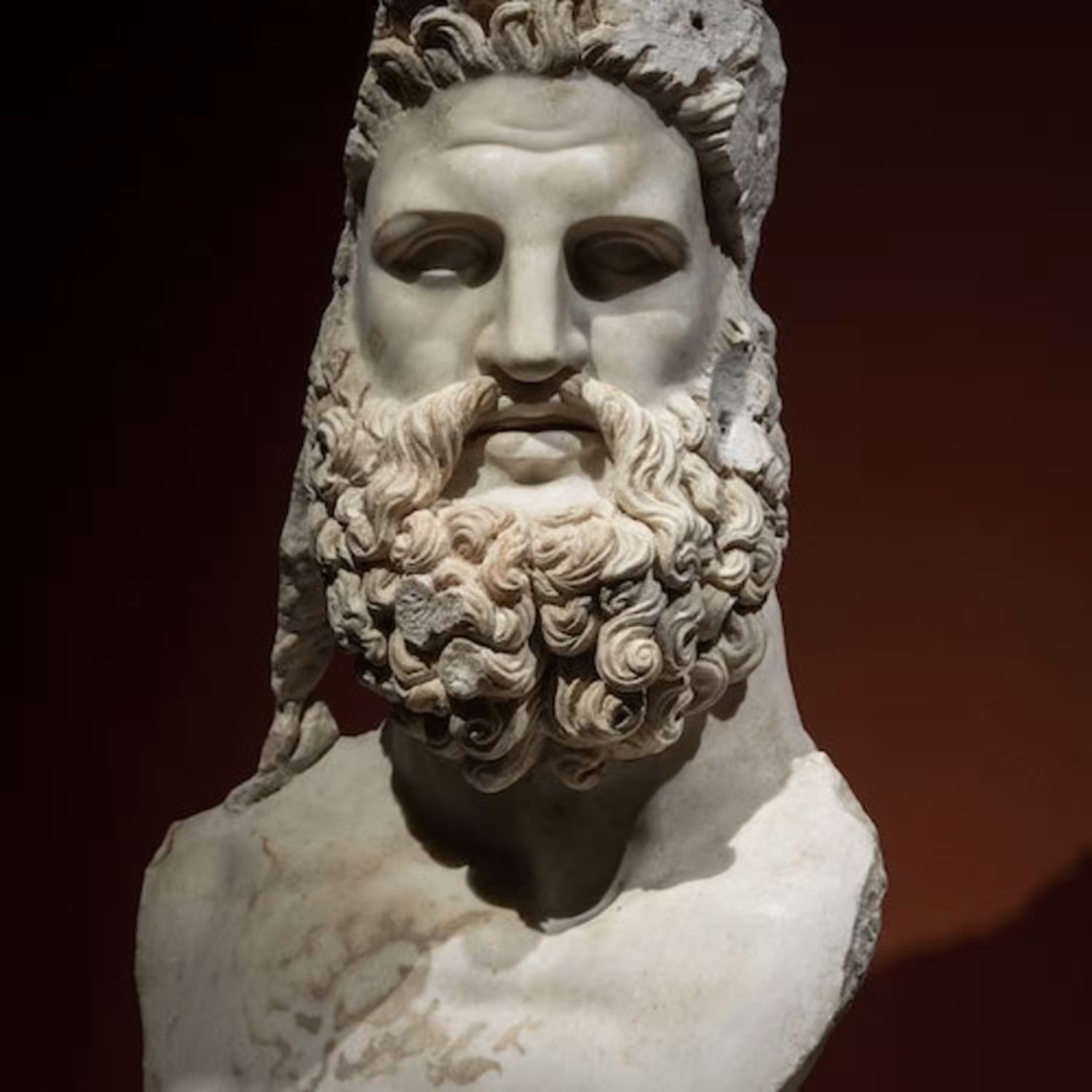
4.7
(46)

Museo Archeologico Nazionale di Napoli: Guided Tour

Highlights

Skip the regular queues with priority access.

Discover artifacts rescued from the eruption of Mount Vesuvius.

Explore the extensive Farnese Collection of ancient sculptures.

View exceptionally preserved frescoes and intricate mosaics.

Gain insights from a knowledgeable archaeologist guide fluent in English and Italian.
Plan Around the Works, Not Against Them

The National Archaeological Museum of Naples: Entrance with Pemcards covers the whole permanent collection, and on a normal day the Alexander Mosaic is the reason to climb to the first floor. While the restoration lasts, the museum's pages describe observation points in the Mosaics collection rather than the mosaic itself, and that section is currently listed as closed for refurbishment, so treat a sighting as a bonus rather than a promise and check before you go. The Museo Archeologico Nazionale di Napoli: Guided Tour fills the gap well: the Pompeian frescoes, the Villa dei Papiri bronzes and the Farnese marbles are all open, and the guide will explain what the mosaic is and why it came off the wall.

About this guide

Sources: Museo Archeologico Nazionale di Napoli, The restoration of the Mosaic of Alexander; Museo Archeologico Nazionale di Napoli, Mosaics collection and schedule of open rooms; Archaeology Magazine, Restoration of the Alexander Mosaic reveals tile sources; Finestre sull'Arte, Second phase of the restoration of the Alexander Mosaic; Wikipedia, Alexander Mosaic.

Frequently Asked Questions About the Alexander Mosaic

Where is the Alexander Mosaic?

In the National Archaeological Museum of Naples, inventory number 10020. It is normally shown in the Mosaics section on the first floor, but it is currently under restoration and the museum lists it as not on display; check before you go.

Can I see the Alexander Mosaic right now?

The museum's pages say the mosaic is undergoing a major restoration and that visitors can watch the restorers from two observation points in the Mosaics collection. The same pages list the Mosaics section as closed for refurbishment until 30 November 2026, so check before you go.

What battle does the Alexander Mosaic show?

Alexander the Great attacking the Persian king Darius III. It is traditionally identified as the Battle of Issus in 333 BC, though some scholars prefer Gaugamela in 331 BC. The mosaic carries no inscription.

How old is the Alexander Mosaic?

The museum dates it to the end of the second century BC, roughly 120 to 100 BC. It copies a Greek painting of about 300 BC, possibly by Philoxenos of Eretria, which is lost.

How many tesserae are in the Alexander Mosaic?

Counts vary with who is doing the counting. The museum says more than a million; the restoration team has spoken of nearly two million pieces, each only a millimetre or two across.

How big is the Alexander Mosaic?

The museum gives 5.83 by 3.13 metres and about seven tons for the panel with its border. The picture itself measures about 5.13 by 2.72 metres.

Why is the Alexander Mosaic being restored?

After a century hung vertically since 1916, the surface had sagged, tesserae had come loose and the iron frame had rusted. The restoration, begun in 2021, took it off the wall in October 2023 to rebuild its support from behind.

Is there a copy of the Alexander Mosaic in Pompeii?

Yes. A full-size replica has been in the exedra of the House of the Faun since 2005, made in Ravenna from about two million marble pieces. It is the only place to see the composition as a floor.