We are processing your request.
Please, don’t close or refresh the page.
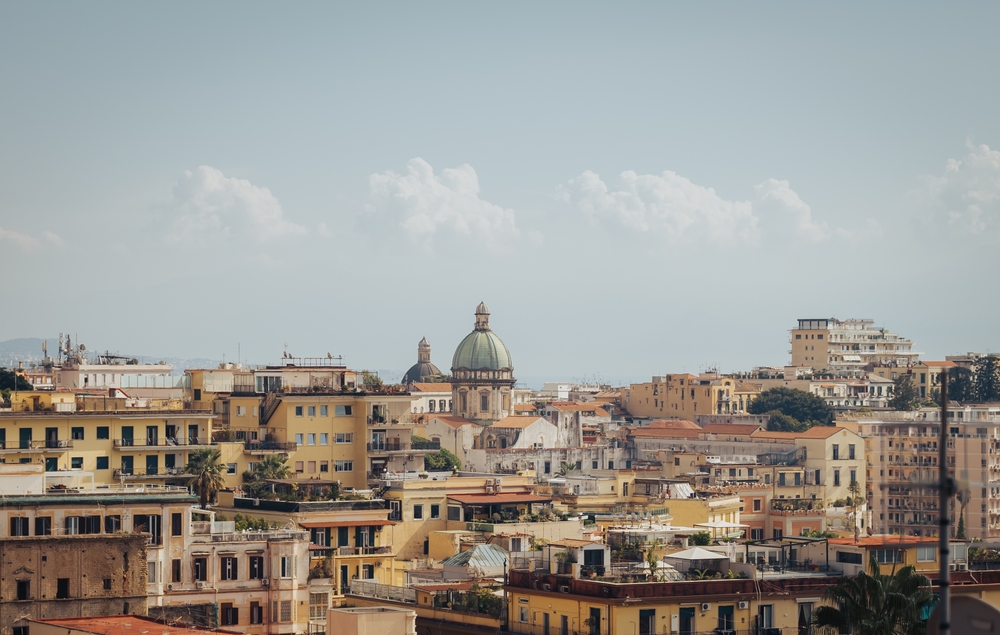
Rooftops and domes of the historic centre of Naples

Rione Sanità: The Neighbourhood Built on Top of the Catacombs of San Gaudioso

A valley of ancient tombs, two of the finest Baroque staircases in Naples, the birthplace of Totò and a cooperative of local guides who turned a forgotten district into one of the city's most visited. The catacombs under its basilica are where that story starts.

What Makes Rione Sanità Different From the Rest of Naples

The name means health. In the 1500s the valley was known for its clean air, which is what drew the first residents in the late 16th century.

It was a cemetery long before it was a neighbourhood: Hellenistic hypogea and early Christian catacombs were cut into the tufa here when the area still lay outside the city walls.

Two of the city's great Baroque palaces are here, both by Ferdinando Sanfelice: Palazzo Sanfelice (1724 to 1728), which he built as his own home, and Palazzo dello Spagnolo (1738).

Antonio De Curtis, better known as Totò, was born at Via Santa Maria Antesaecula 109 on 15 February 1898 and lived in the district until he was 24.

The Ponte della Sanità, begun in the early 19th century under Joseph Bonaparte and continued under Joachim Murat, carried the royal road over the rooftops and cut the district off from the city.

La Paranza, the cooperative that runs the catacombs, was founded in 2006 by local young people with their parish priest. Visits rose from 5,160 in 2006 to 160,000 in 2019 and 200,000 in 2022.

The district has about 32,000 residents in roughly two square kilometres, and film crews keep coming back: L'Oro di Napoli (1954), Ieri, oggi e domani (1963), season three of Gomorra and Nostalgia (2022) were all shot here.

The Catacombs of San Gaudioso are entered through a portal in the basilica's majolica-tiled floor, so the walk down starts in a working church.

A Valley of the Dead That Became a Suburb
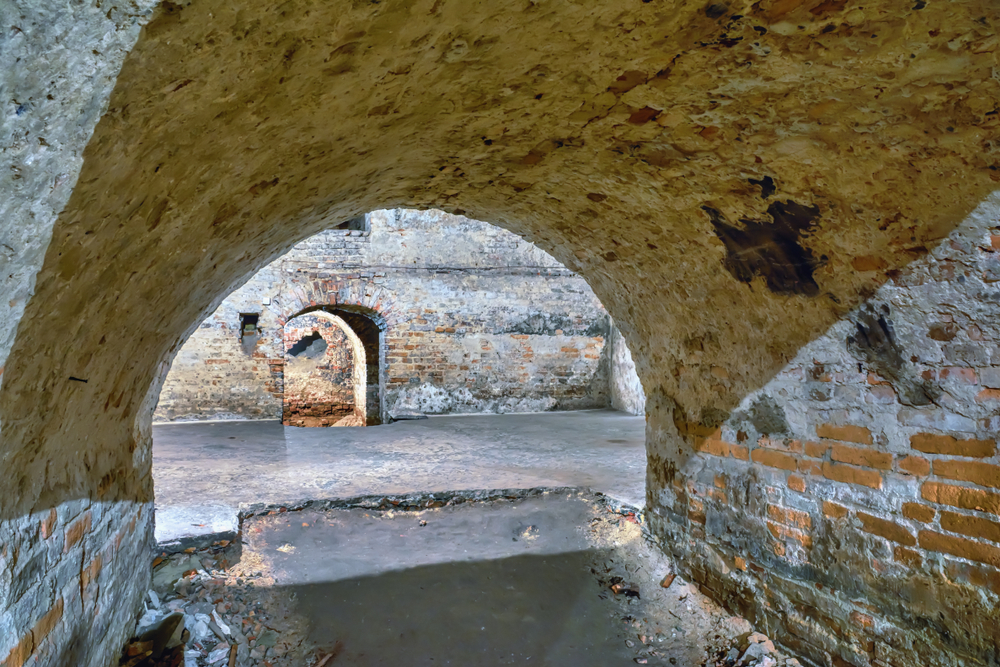
Brick and tufa arches inside the Catacombs of San Gaudioso

The ground under Rione Sanità was used for burial by Greeks and Romans before anyone lived on it. The valley sat outside the walls, and the soft yellow tufa was easy to cut, so tombs went into the hillside first and houses came much later. The two big catacombs of Naples, San Gennaro and San Gaudioso, both grew out of this older necropolis.

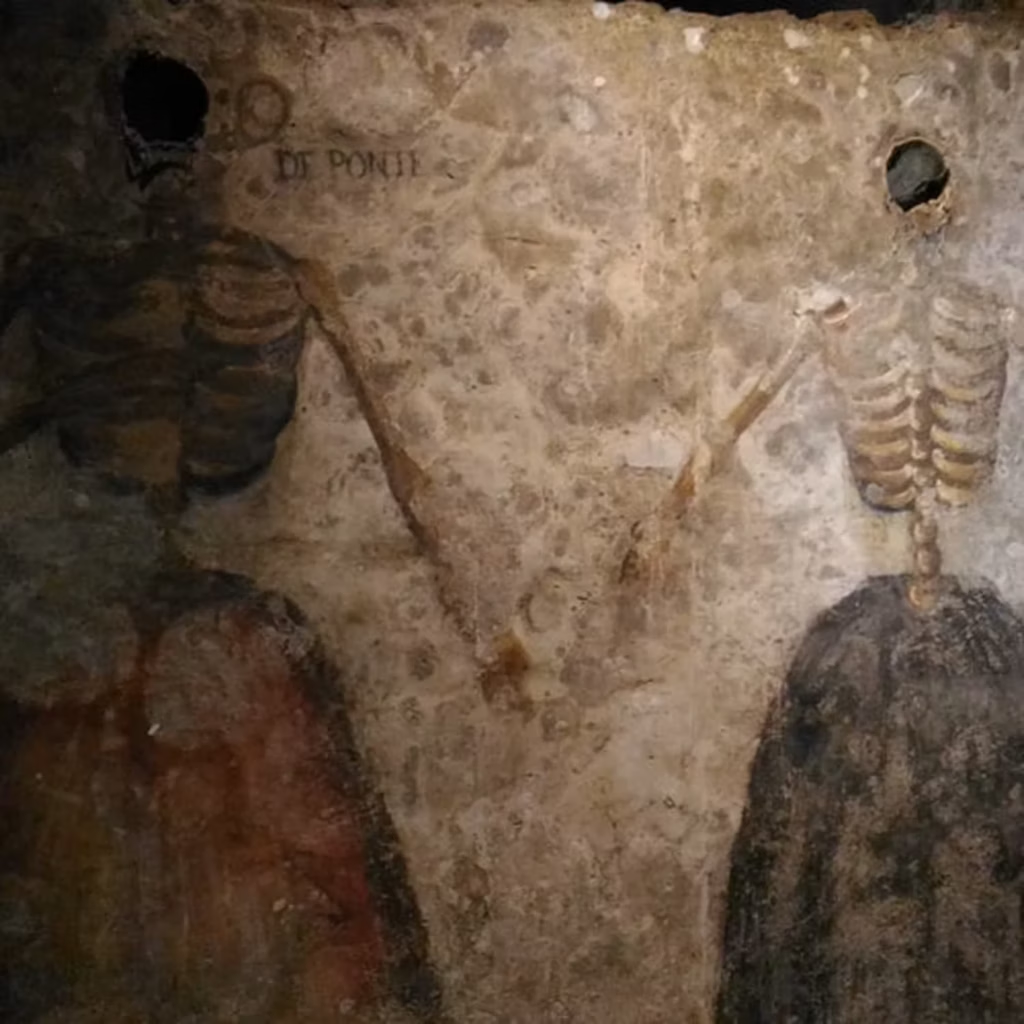
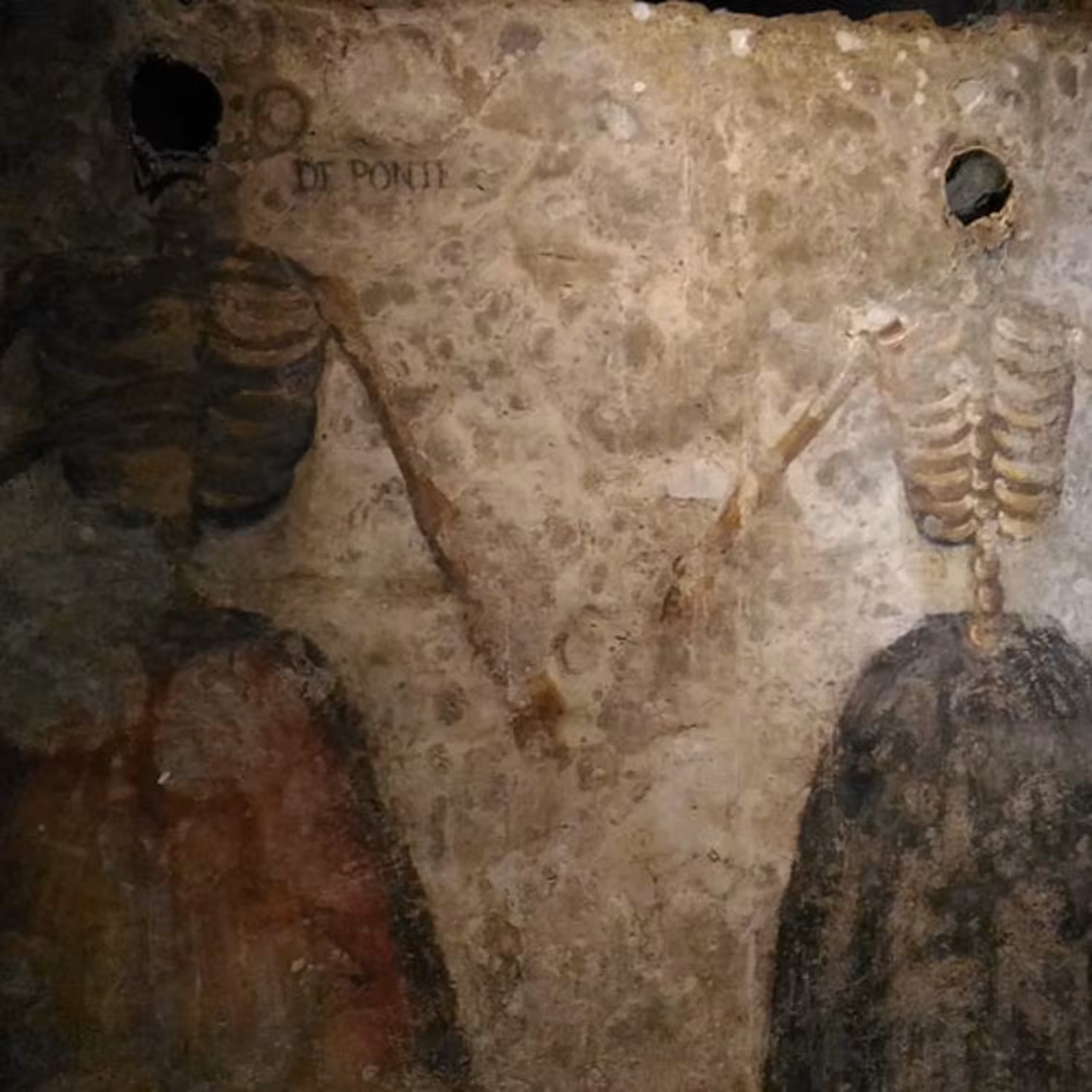
Gaudiosus was a bishop from North Africa who, according to tradition, reached Naples after a shipwreck and was buried here between 451 and 453. His tomb, in an arcosolium near the entrance, still carries a sixth-century mosaic, and the cubicles around it keep frescoes of the fifth and sixth centuries, including St Peter and San Sossio. Mudslides off the Capodimonte hill then buried the valley, and through the Middle Ages almost nobody lived here.

Settlement began around the late 1500s, when the air was thought healthy, which is where the name comes from. In the 17th century the Dominicans built the Basilica of Santa Maria della Sanità on top of the old chapel, with its dome of yellow and green majolica, and reopened the galleries below as a burial place for the city's nobility. The plague of 1656 and the cholera of the 1830s then filled every cave in the area with bones, which is how the Fontanelle ossuary a few streets away came to hold its uncountable skulls.

Sanfelice's Staircases, Totò's Window and the Bridge That Changed Everything
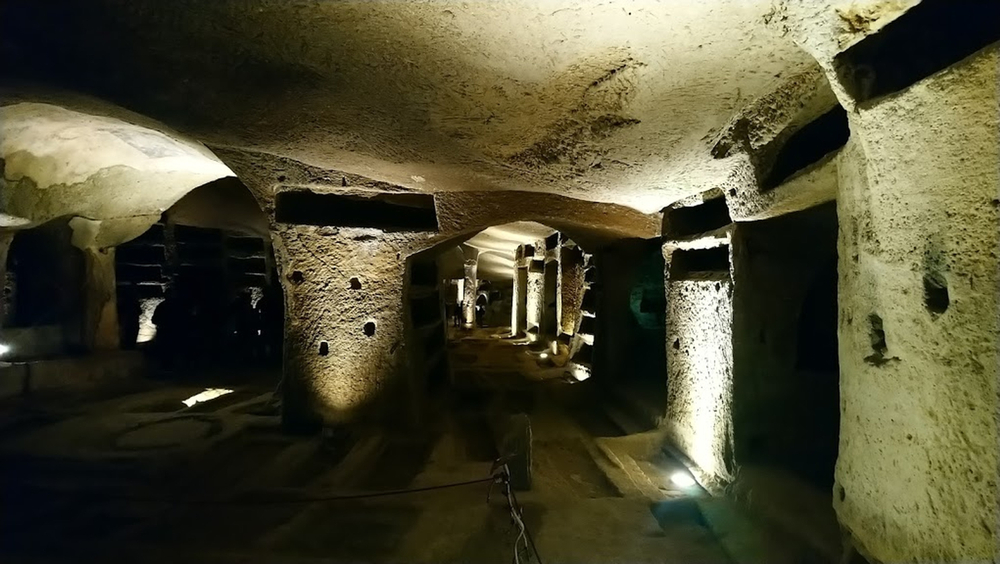
Lit tufa galleries and pillars of an early Christian catacomb in Naples

For a short while in the 18th century this was a fashionable address. The architect Ferdinando Sanfelice built his own house on Via Sanità between 1724 and 1728 and gave it the device he became known for: an open double staircase, the scala ad ali di falco or hawk-wing stair, with interlocking ramps that are meant to be seen from the street. In 1738 he repeated the idea for the Marquis Nicola Moscati at what is now called Palazzo dello Spagnolo on Via Vergini, after Tommaso Atienza, the Spaniard who owned it in the 19th century. Both are private condominiums, but the courtyards are usually open and residents are used to cameras.

The boom did not last. In the early 1800s Joseph Bonaparte and then Joachim Murat had a bridge thrown across the valley so the royal road to Capodimonte no longer had to wind down through the streets. The Ponte della Sanità, today also named after the partisan Maddalena Cerasuolo, improved traffic and ruined the district: merchants, courtiers and later tourists went over the rooftops instead of through them, and for most of the next two centuries the Sanità was somewhere Neapolitans told you not to go.

It was also where Antonio De Curtis was born, on 15 February 1898, in a second-floor flat at Via Santa Maria Antesaecula 109. Totò stayed until he was 24, when the family moved to Rome, and he never let the district go: he liked to say he was born in the most famous rione of Naples, he came back to the catacombs, and the Baroque frescoes of death levelling nobleman and beggar are usually credited as the seed of his poem 'A livella. The flat is still private, but the murals, plaques and shrines to him are everywhere.

4.6
(31)

Discover the eerie Catacombs of San Gaudioso with an eerie tour

Highlights

Discover an underground burial site with deep historical significance.

Marvel at detailed frescoes featuring macabre decorations.

Learn from knowledgeable guides fluent in English and Italian.

Experience a unique glimpse into Naples’ early Christian past.

Tour duration is approximately 50 minutes.
Start Underground, Then Walk the Streets Above

The catacombs are the best first stop in Rione Sanità because everything else in the district grew out of them, from the basilica overhead to the cooperative that will be showing you round. Our tour, Discover the eerie Catacombs of San Gaudioso with an eerie tour, is a guided visit led by the neighbourhood's own guides; it starts inside the basilica and ends back in its nave. Come out, cross Via Sanità to Sanfelice's staircase, walk down to Palazzo dello Spagnolo on Via Vergini, and you have covered 1,500 years in about an hour and a half. Opening days change, so check before you go.

About this guide

Sources: Catacombe di Napoli, Catacombs of San Gaudioso and the Holy Mile; Vatican News, From the shadows into the light (La Paranza, February 2024); Visit Naples, The Rione Sanità between history and films; Napoli DMO, Palazzo Sanfelice, Palazzo dello Spagnuolo and the birthplace of Totò; The Guardian, Raising Naples: how the catacombs of saints transformed Sanità.

Frequently Asked Questions About Rione Sanità

Where is Rione Sanità in Naples?

It is just north of the historic centre, in the Stella quarter, at the foot of the Capodimonte hill. The district begins at Piazza Vergini and runs up Via Sanità under the bridge of the same name.

Why is it called Rione Sanità?

Sanità means health. In the 1500s the valley was known for its clean air, which attracted the first residents and gave the basilica, the street and the whole district their name.

Is Rione Sanità safe to visit?

Yes, by day it is a busy, lived-in neighbourhood that now receives hundreds of thousands of visitors a year. The catacombs alone drew 200,000 people in 2022; use normal city sense with bags and phones, as anywhere in Naples.

What is there to see in Rione Sanità?

The Catacombs of San Gaudioso under the Basilica of Santa Maria della Sanità, the Catacombs of San Gennaro, the Fontanelle Cemetery, Sanfelice's two Baroque palaces, Totò's birthplace, the Jago Museum and the Veiled Son.

Where was Totò born in Rione Sanità?

At Via Santa Maria Antesaecula 109, on 15 February 1898, in a second-floor flat. It is still a private home, but murals and plaques to him are all over the district.

What is La Paranza?

A social cooperative founded in 2006 by young people from the district, with the help of parish priest Antonio Loffredo, to run the catacombs. It started with five employees and had around 50 by 2023.

How do the Catacombs of San Gaudioso connect to the neighbourhood?

They sit directly under the floor of the basilica that is the heart of the district, and they were the first site the local guides reopened. The restoration work that followed is what changed the Sanità's reputation.

How long do you need for Rione Sanità?

About an hour for the guided visit to the catacombs, then two to three hours on foot for the palaces, Totò's street and the Fontanelle. Half a day covers it comfortably; our ticket gives you a reserved slot for the catacombs.