Museum of the Treasure of San Gennaro in Naples – Book Tickets Online & Experience Religious Arts, History and More
This website offers official tickets for this venue. Please note, however, that it is not the official website of the venue.
Smartphone tickets
Why wait?
Instant confirmation
Flexible cancellation


Visit the Museum of the Treasure of San Gennaro
Highlights
Bypass standard ticket lines for quicker entry.
Discover art and cultural artifacts spanning seven centuries.
Explore the Royal Chapel of San Gennaro.
Enjoy an audio guide available in English, French, German, Italian, and Spanish.
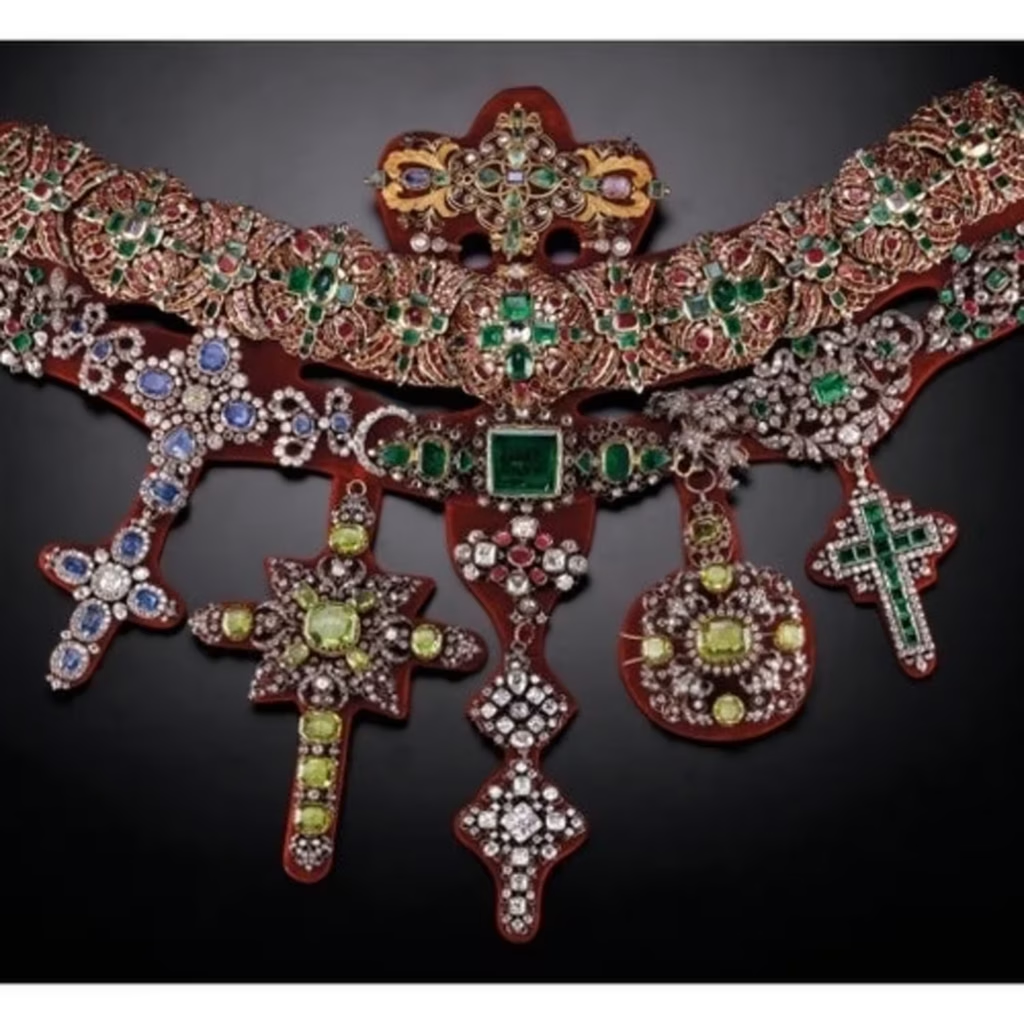
View one of the world’s largest emeralds and other priceless treasures.


Visit the Chapel of San Gennaro, the Treasure Museum and the Filangieri Museum
Highlights
Avoid waiting in line with priority access.
Explore historic subterranean passageways.
Enjoy expert commentary throughout the tour.
Welcome to Museum of the Treasure of San Gennaro in Naples
Discover the Museo del Tesoro di San Gennaro, a captivating museum nestled in the heart of Naples that showcases a remarkable collection of religious art and priceless treasures. Explore centuries of history through exquisite artifacts that tell the story of the city’s patron saint, San Gennaro. Whether you are an art enthusiast or a cultural explorer, this museum offers a unique experience not to be missed. Secure your tickets today to immerse yourself in this exceptional heritage.
About the Museum of the Treasure of San Gennaro
Why Visit the Museum of the Treasure of San Gennaro?
Exquisite Collection of Religious Artifacts
The Regal Treasure Room
Historical Jewelry and Ornamental Pieces
Ancient Manuscripts and Documents
Guided Tours with Expert Commentary
Operating Hours of Museum of the Treasure of San Gennaro
Best Times to Visit Museum of the Treasure of San Gennaro
Mornings Right After Opening (9:30 AM – 11:00 AM)
Arriving early gives you a quieter, more intimate experience with the museum’s dazzling collection of jewels, relics, and sacred artifacts. The soft morning light and lighter crowds allow you to explore the exhibits at your own pace, read detailed descriptions without rush, and fully appreciate the craftsmanship of the treasure pieces.
Weekdays, Especially Tuesday Through Thursday
Midweek visits are ideal if you prefer fewer crowds and shorter waiting times. Compared to weekends, attendance is generally lighter, giving you more space to move comfortably through the galleries. If you’re visiting Naples on a short city break, scheduling your museum visit during these days ensures a smoother experience before exploring nearby historic landmarks in the city center.
Late Fall & Early Spring (Off-Peak Travel Seasons)
Naples experiences peak tourism during summer (June–August) and major holidays. Visiting during late October–November or February–April often means you will get shorter lines, more availability for guided tours, and a calmer overall atmosphere. These months offer a more authentic and less crowded cultural experience.
During Religious Celebrations of San Gennaro
If you want a culturally rich and vibrant experience, plan your visit around major celebrations dedicated to San Gennaro, particularly in May and September. While the city becomes livelier and busier during these periods, the atmosphere is unforgettable, offering deeper insight into Naples’ devotion and traditions. This is perfect for visitors who want to combine history, faith, and local culture in one meaningful trip.
Early Afternoon for Flexible Travelers (2:00 PM – 4:00 PM)
If mornings aren’t an option, early afternoon on weekdays can still be a comfortable time to visit. Many tour groups tend to arrive late morning, so visiting after lunch may allow for a more relaxed flow through the galleries.
Where to Find Museum of the Treasure of San Gennaro
How to Get to Museum of the Treasure of San Gennaro
By Metro
The closest metro stop is Museo Station (Line 1), about a 10–15 minute walk from the museum.
From the station, you can enjoy a scenic walk through Naples’ historic streets toward Via Duomo.
Metro Line 1 connects major areas of the city, making it a convenient option for visitors staying near Vomero or Toledo.
It’s one of the fastest and most reliable ways to avoid traffic in central Naples.
By Train
If you’re arriving in Naples by train, get off at Napoli Centrale (Piazza Garibaldi).
From the station, you can take Metro Line 1, a local bus, taxi, or even walk (approximately 20–25 minutes).
The museum’s central location makes it easily accessible for day-trippers coming from Rome, Florence, or the Amalfi Coast.
This is an excellent option for travelers exploring multiple Italian cities.
By Bus
Several local ANM bus routes stop along Via Duomo and nearby streets.
Buses connect the historic center with neighborhoods across Naples.
It’s an affordable way to travel, especially for visitors staying outside the city center.
Be sure to check routes and schedules in advance for the smoothest experience.
By Car
While you can reach the museum by car, the historic center has limited traffic zones (ZTL) and restricted access areas.
Public parking garages are available nearby, but spaces can fill quickly, especially on weekends and holidays.
If driving, it’s best to park outside the most restricted areas and walk the remaining distance.
Arriving early increases your chances of finding convenient parking.
By Taxi or Rideshare
Taxis are widely available throughout Naples and offer direct drop-off near the museum entrance.
This is one of the easiest and most comfortable options, particularly if you're traveling with family or on a tight schedule.
Rideshare apps also operate in Naples, providing a simple way to navigate the city without worrying about parking.
On Foot
If you’re staying in Naples’ historic center, walking is often the best option.
The museum is close to major landmarks, traditional pizzerias, and lively piazzas.
Exploring on foot lets you soak in the authentic atmosphere of Naples before stepping inside this extraordinary collection of treasures.
It’s the perfect way to combine sightseeing with your museum visit.
Things to Know Before Visiting Museum of the Treasure of San Gennaro
- Facilities
- Accessibility
- Guidelines
- Rules
Interesting Facts About the Museum of the Treasure of San Gennaro
It Houses One of the World’s Richest Church Treasures
The collection is often compared in value and importance to royal crown jewels. Over centuries, kings, queens, popes, and ordinary citizens donated precious objects to honor San Gennaro.
The Treasure Belongs to the People of Naples
Unlike many religious collections controlled by the Vatican, the Treasure of San Gennaro is managed by a historic lay institution called the Deputation, representing the citizens of Naples — a rare and unique arrangement.
The Jeweled Mitre Contains Thousands of Precious Stones
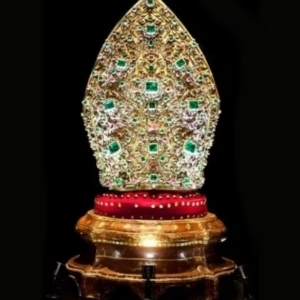
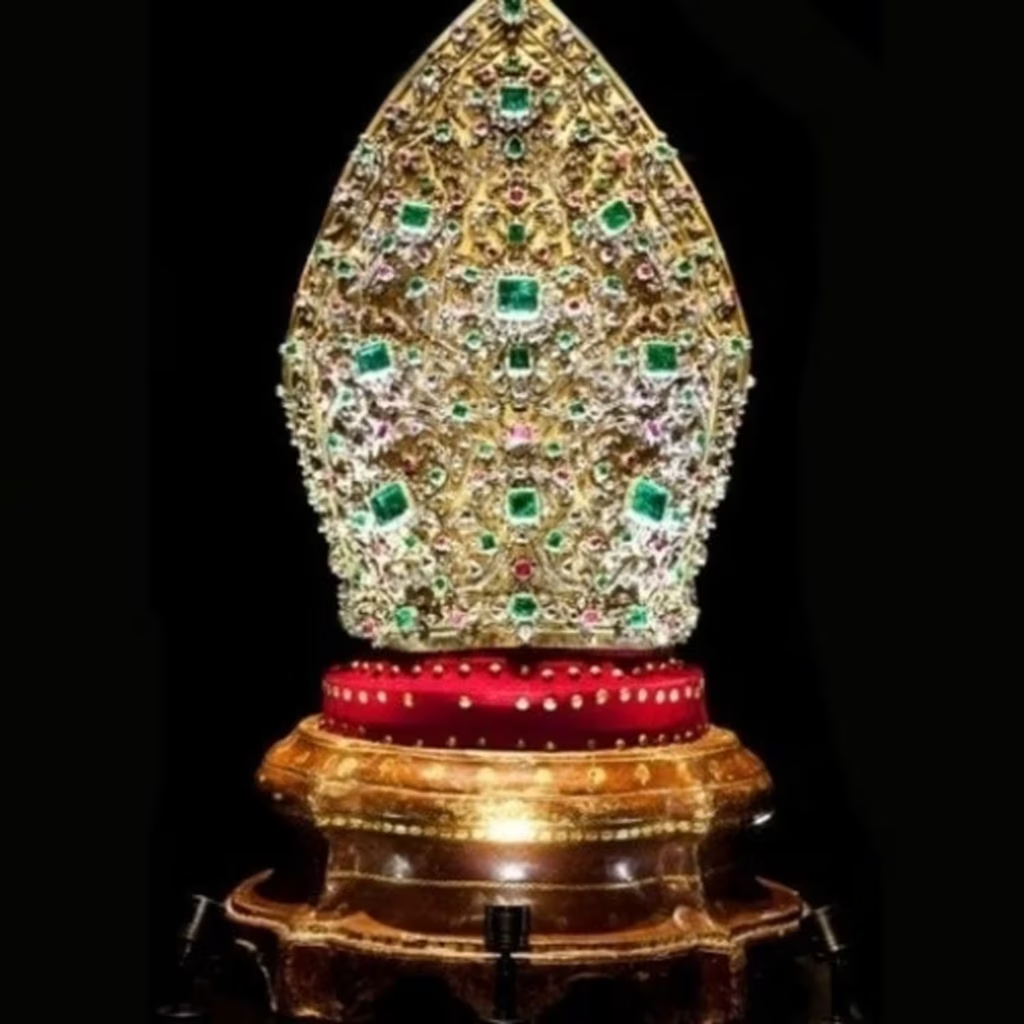
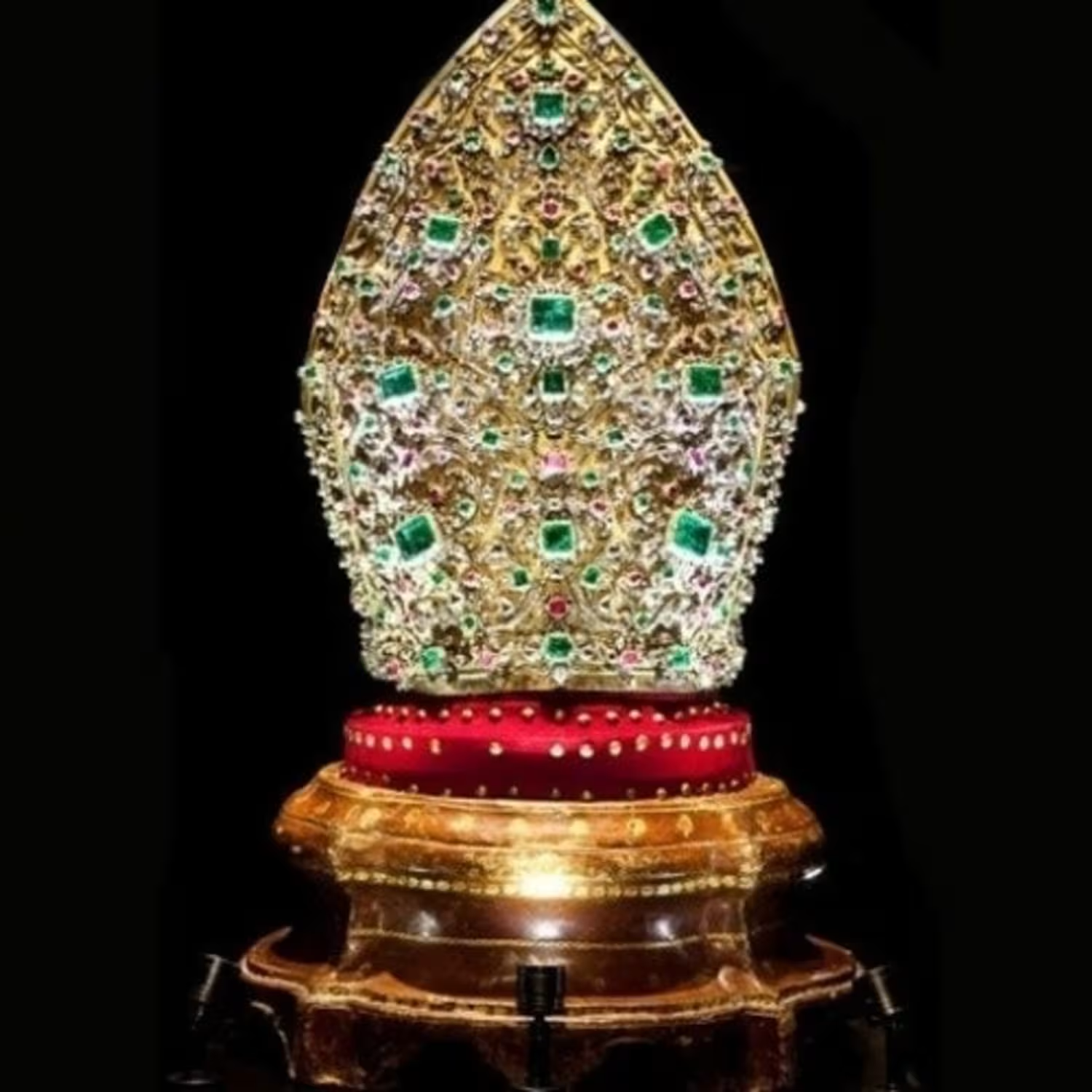
One of the highlights is the 18th-century bishop’s mitre adorned with diamonds, emeralds, and rubies. It’s considered one of the finest examples of Baroque goldsmith craftsmanship in Europe.
The Necklace Was Built Over Centuries
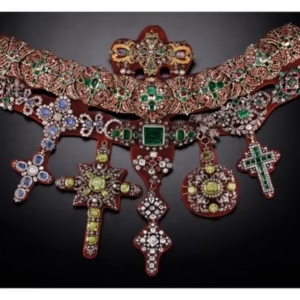
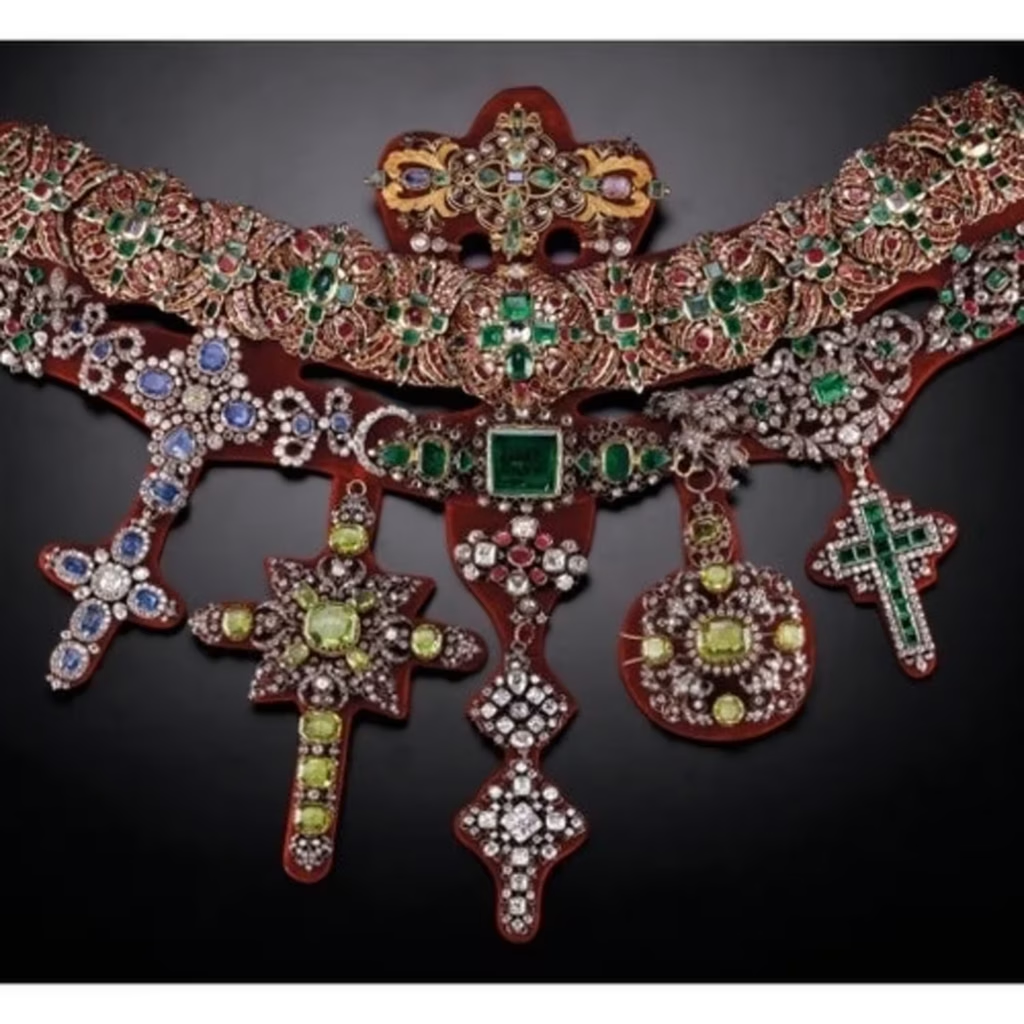
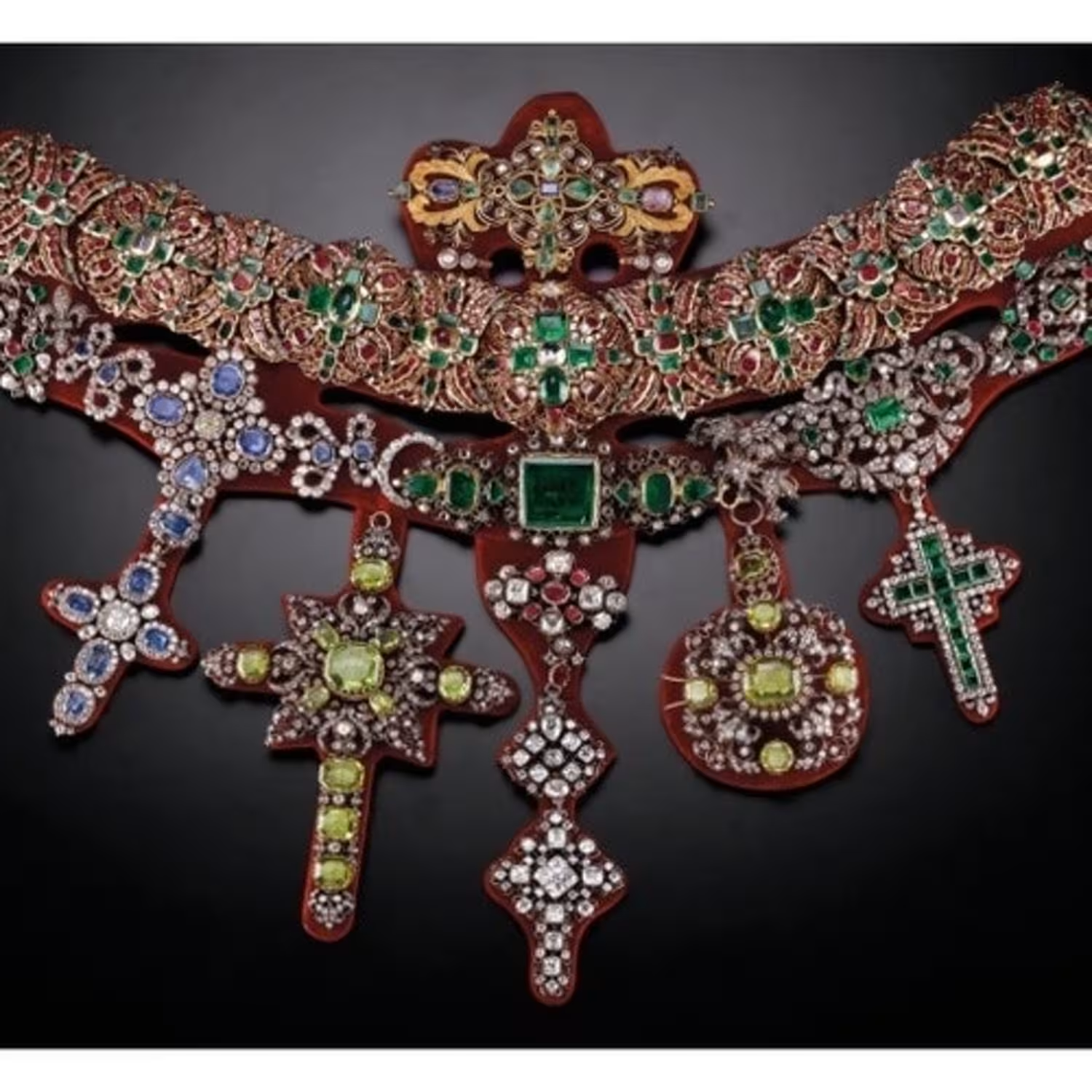
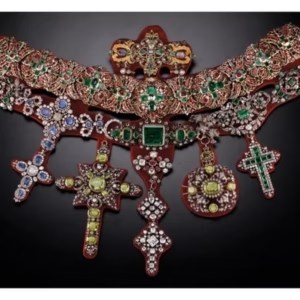
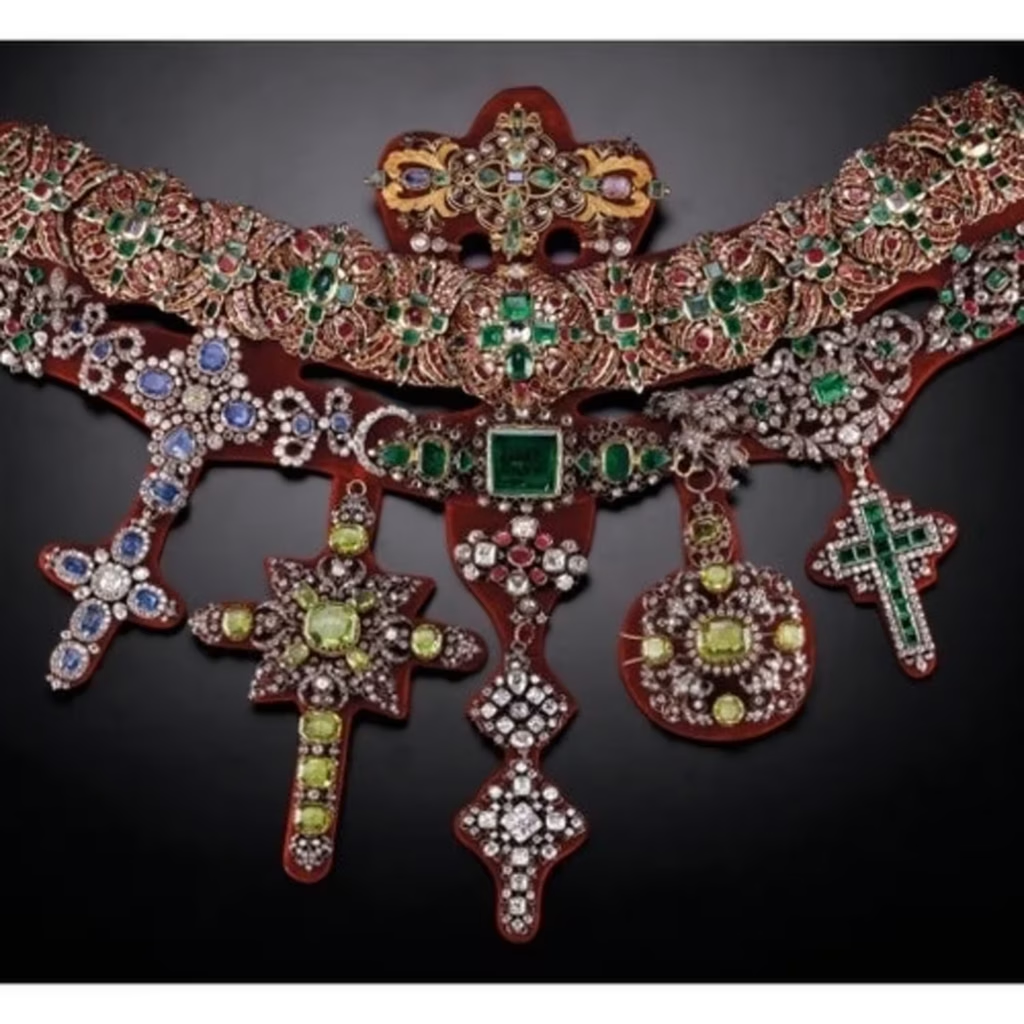
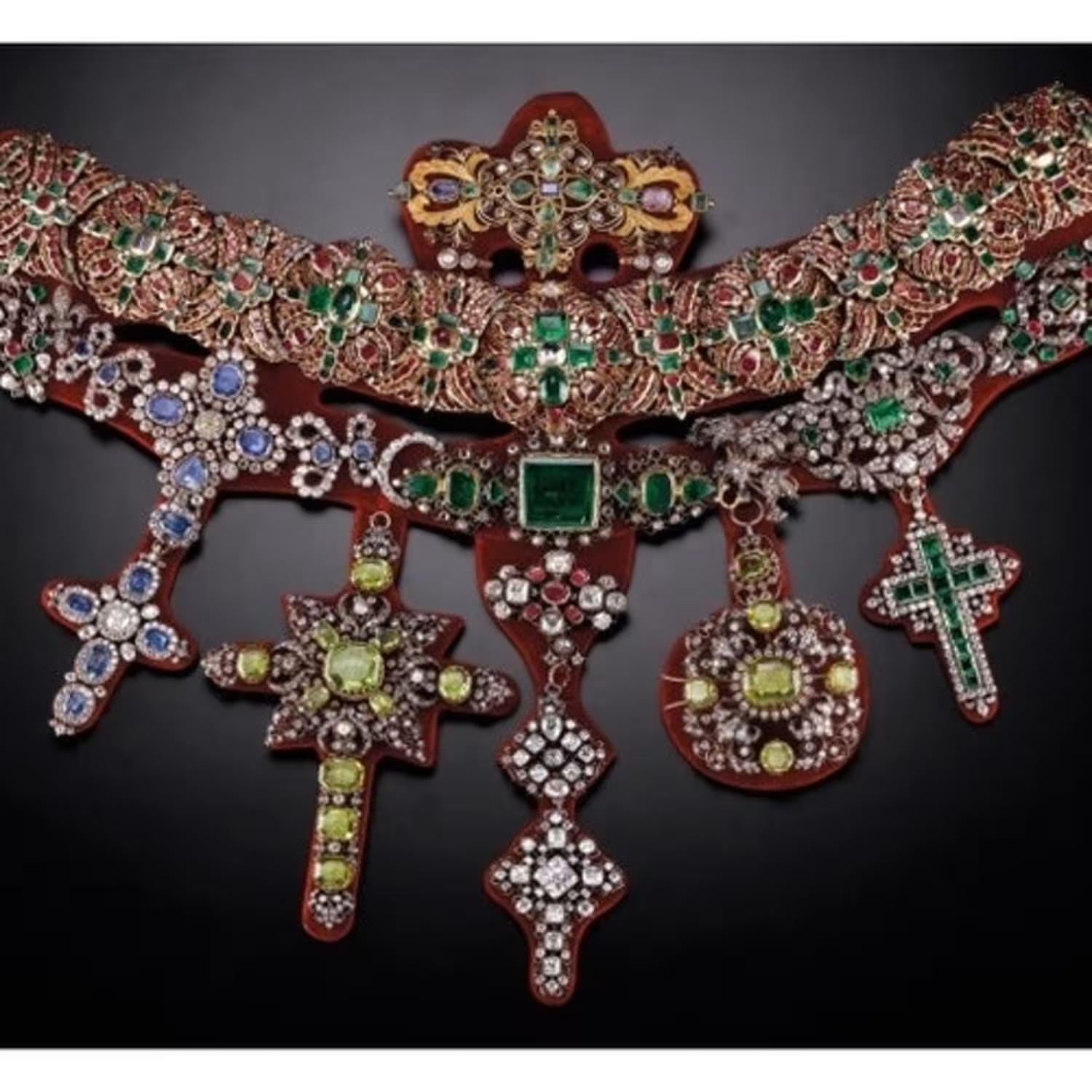
The famous necklace of San Gennaro wasn’t created in one go — it evolved over time. Different rulers added gems and pendants, turning it into a dazzling symbol of devotion and power.
The Collection Survived Wars and Occupations
Despite invasions, revolutions, and even World War II, the treasure remained intact. It was carefully protected and hidden at various points in history.
It’s Linked to the “Miracle of the Blood”
San Gennaro is famous for the liquefaction of his blood, a phenomenon that draws thousands of believers each year. While the relic itself is kept in the nearby cathedral, the museum preserves the extraordinary offerings made in devotion to this miracle.
It Took Centuries to Complete the Chapel
The Chapel of the Treasure, adjacent to the museum, was built in the 17th century after Neapolitans vowed to honor the saint during times of plague and disaster.
Royal Donations Came from Across Europe
The treasure includes gifts from European monarchs, including rulers from Spain and France, showcasing Naples’ historical importance as a major Mediterranean power.
The Collection Includes Rare Silver Busts and Relics
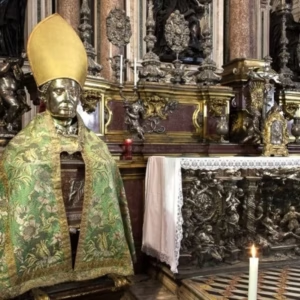
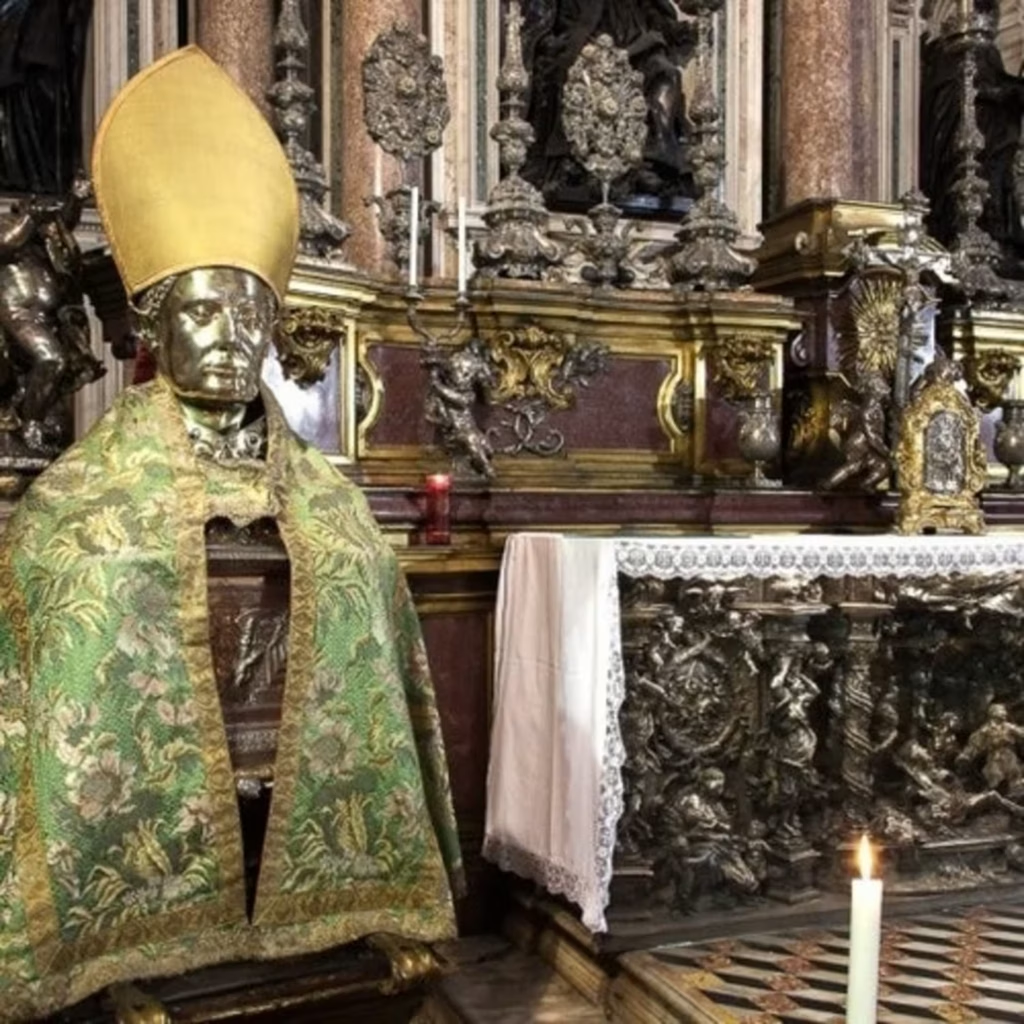
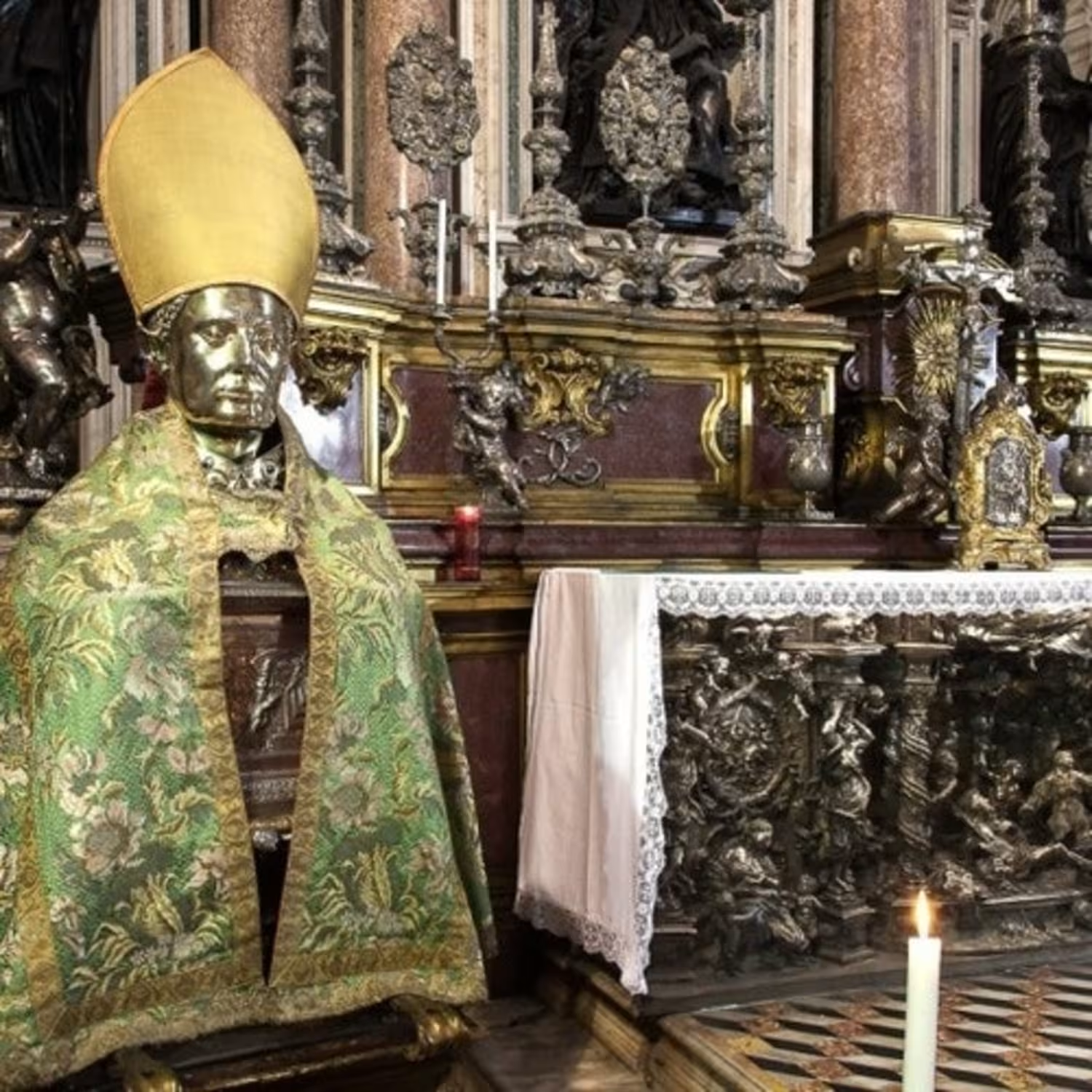
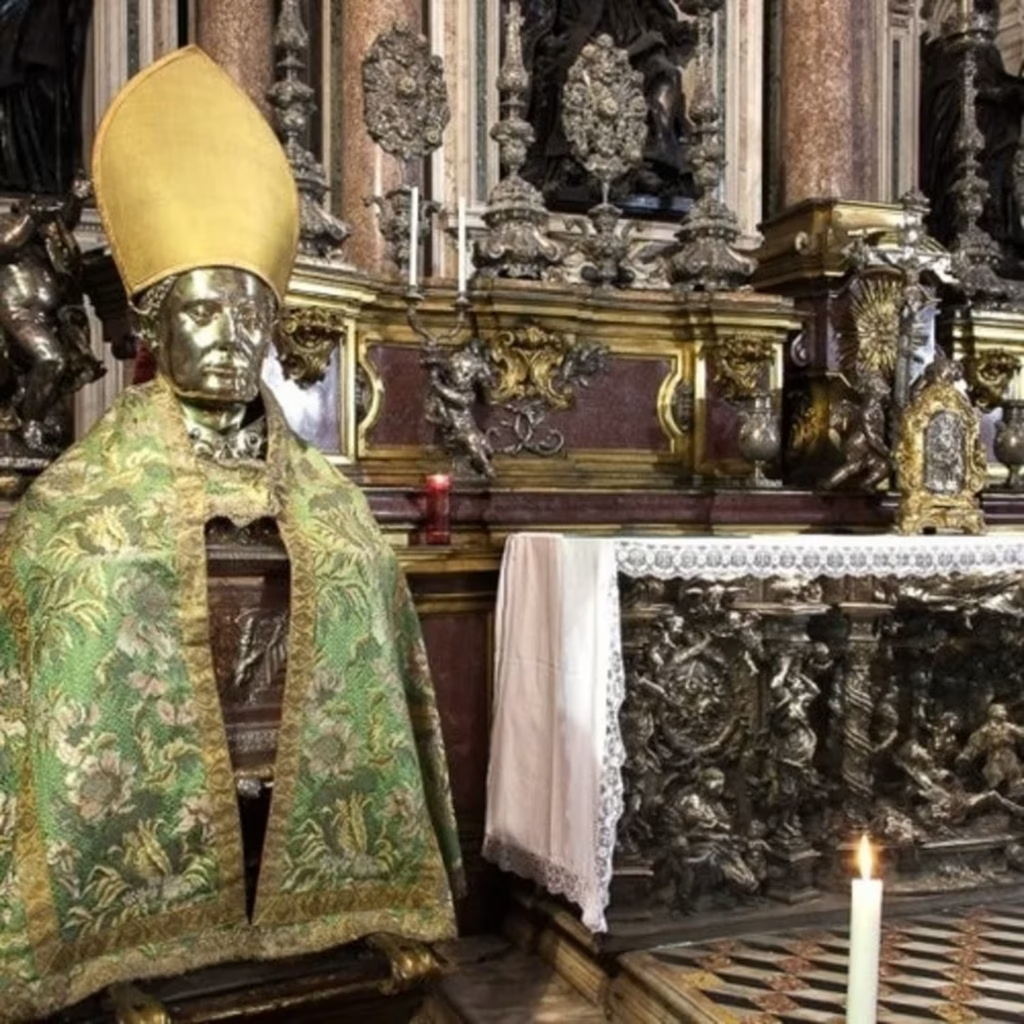
Among the masterpieces are intricate silver busts of saints and sacred relic containers, many crafted by some of Italy’s most skilled artisans.
It’s Considered More Valuable Than the British Crown Jewels (By Some Estimates)
While exact valuations are difficult, historians often suggest that the treasure’s artistic and material value rivals — and possibly exceeds — that of some royal collections.